Namibia’s national development frameworks, from Vision 2030 to the recently launched Sixth National Development Plan (NDP6) and the Digital Government Roadmap 2024-2026, emphasise digital transformation as central to governance, service delivery and inclusive socio-economic progress. These documents envision a digital future driven by increased internet access, cyber resilience, e-governance and a robust information and communication...

Year: 2025
Opinion – Namibia shines in gender equality
Namibia has made significant strides in advancing gender equality within its democratic processes, most notably through the adoption of the symbolic slogan ‘The Future is Female’. This slogan aims to spotlight women’s empowerment and political inclusion, reinforcing the nation’s commitment to gender equity. The slogan celebrates women’s achievements and underscores the need for continued inclusion...
Opinion – Food security should unite, not divide us
Any individual, group, community or traditional authority that takes the initiative to produce food and contribute to national food security deserves commendation and support. In a time when threats like hunger, climate change and disruptions in global supply chains are prominent, every effort to increase agricultural productivity and self-reliance should be celebrated. Namibia needs farmers,...
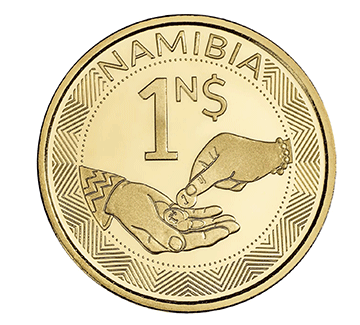
Bank explains meaning of new N$1 coin …two hands exchanging coins symbolises the act of trade
In response to growing backlash from certain sections of society regarding the recently introduced N$1 coin, the central bank issued a statement emphasising that the new currency actually represents trade and interaction between communities. “The N$1 was designed to honour Namibia’s retail sector, a cornerstone of the national economy that empowers local businesses, sustains households,...
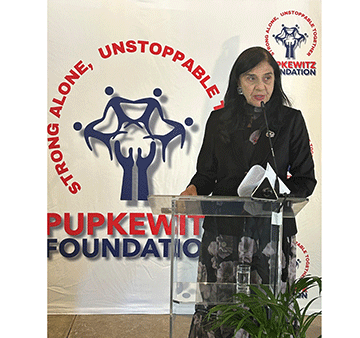
Pupkewitz Foundation’sN$10 million milestone pledge
The Pupkewitz Foundation, the community social investment arm of the Pupkewitz Group, last week made a milestone pledge of N$10 million over the next 12 months. The massive pledge formed part of the group’s centenary celebrations as it celebrates 100 years of doing business in Namibia. The enormous commitment by the foundation signifies N$100 000...
BP makes largest oil, gas discovery in 25 years
LONDON – Britain’s BP yesterday announced it made its biggest oil and gas discovery in 25 years off the coast of Brazil, as it shifts back to its fossil fuel business. The discovery comes as a boost to the struggling energy major as it undergoes a major overhaul to focus on its more profitable oil...
Increased supply keeps August fuel prices unchanged
Increased supply from oil-producing countries around the world, coupled with weakened consumption stemming from economic uncertainties, are some of the factors that will see Namibian fuel prices remaining unchanged for August 2025. In addition, a slight appreciation of the Namibia Dollar compared to the US Dollar helped cushion the impact of rising international diesel prices...
B2Gold Namibia readies for underground Antelope deposit
Canadian miner, B2Gold Namibia has set its sights on the nearby Antelope Deposit as it continues to look for new projects in the country amid a scale down exercise at its Otjikoto Gold Mine by end 2025. The scale down on employement will affect 400 jobs. Located a mere four kilometres southwest of B2Gold’s existing...
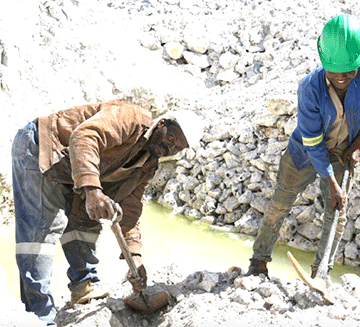
Small-scale mining sector potential remains untapped …ministry eyes growth
Lahja Nashuuta Namibia’s small-scale mining (SSM) sector generates an estimated US$4 million annually, with a 2% royalty rate applied to semi-precious stone exports, according to the Ministry of Industries,Mines, and Energy. The ministry says these royalties directly contribute to national revenue, while small-scale mining continues to play a critical role in grassroots poverty reduction and...
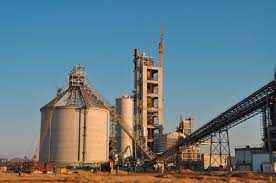
Ohorongo warns of cement industry overcapacity …wants export potential to form part of competitive landscape
Namibia’s largest cement manufacturer, Ohorongo Cement, remains adamant that the domestic market, in its current form, is not large enough to sustain two cement manufacturers. The reasoning is that Namibia currently has demand for about 600 000 tonnes of cement annually but has the capacity to produce some 2.5 million tonnes per annum, which means...