

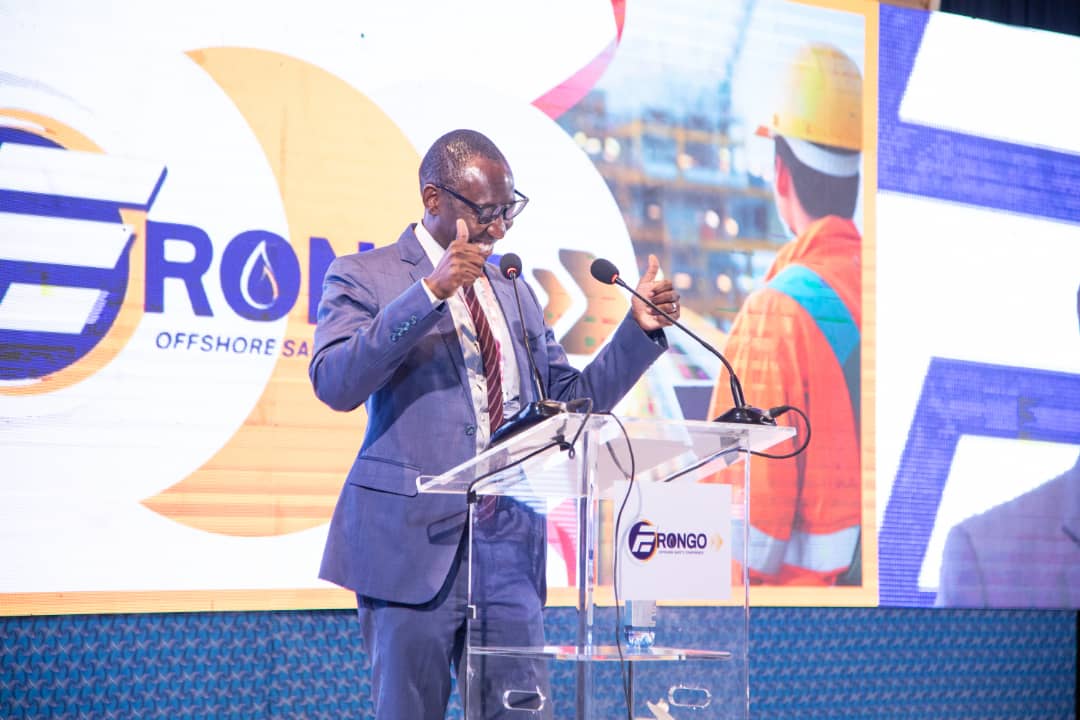

SWAKOPMUND – Urgent action is needed to improve offshore safety in Namibia’s growing oil and gas sector as any lapse in health, safety and environmental standards could derail the country’s energy ambitions.
This was the view of Erongo governor Neville Andre at the opening of the inaugural Offshore Safety Conference, which concluded on Friday in Swakopmund.
The conference brought together industry stakeholders, regulators and community leaders to chart a safer path for offshore petroleum development.
Namibia’s oil and gas sector has drawn global interest following major offshore discoveries in the Orange Basin by energy giants such as Shell, TotalEnergies and Galp. These finds position Namibia as a rising player in Africa’s energy landscape, with the government projecting significant economic growth. However, technical and regulatory challenges remain, particularly around health and safety, environmental protection and infrastructure development.
“Safety must be treated as the oxygen of sustainable progress. Progress without protection is an illusion, and a single lapse can destroy ecosystems and erode public trust,” Andre said during the conference.
He stated that Namibia’s upstream petroleum industry is considered a high-risk, capital-intensive and technologically- advanced sector, while recent oil discoveries off the coast have raised hopes for economic transformation. However, government and experts say the rapid pace of development must not come at the cost of safety or environmental degradation.
The governor noted that safety should not be viewed as just a compliance issue, but as the foundation of operational excellence. “We must ensure that HSE (Health, Safety and Environment) is industrialised across the sector. It must be embedded into every decision we take. This is not a competition—safety is everyone’s responsibility,” he added.
He appealed to operators to adopt modern technologies such as drones and real-time analytics to detect hazards and protect lives. Andre also called for training and a stop-work culture which empowers workers to halt unsafe operations without fear of losing their jobs.
“The people who power our rigs, pipelines and ships deserve a safe workplace. That is non-negotiable. Therefore, in order to build a safe offshore industry, we must ensure regulatory enforcement, proper technology, human-centred training, environmental stewardship and community collaboration,” he stressed.
Namibia’s Petroleum Act of 1991 is key, but laws are only as strong as their enforcement. Therefore, he said, closer collaboration is needed between the mines ministry, training institutions such as NIMT and global partners like the International Labour Organisation.
Independent regulator needed
Chief strategist of the conference Knowledge Ipinge called for the establishment of an independent offshore safety regulator to oversee operations without political or corporate interference.
“Workers often endure extended shifts, isolation and mental strain. They need more than just rules—they need protection,” he stated. Ipinge, who previously served as the Walvis Bay Urban constituency councillor and chaired the constituency’s Disaster Risk Management Committee, said he became aware of the seriousness of offshore safety in 2020 during the Covid-19 pandemic.
He observed that many workers during that time reported mental health issues due to long isolation periods and job uncertainty. “I appeal to every attendee to move away from top-down approaches. Let us value the voices of employees. An independent regulator must be empowered to enforce safety without fear or favour,” he stressed.
Ipinge further proposed a welfare programme that includes mental health support, financial assistance and family support for workers in the petroleum sector.
“We cannot expect workers to build our economy while they suffer in silence. Safety must be about people, not just processes.We must use these resources to build a diversified economy that truly serves our people,” he added.