


Linea Dishena
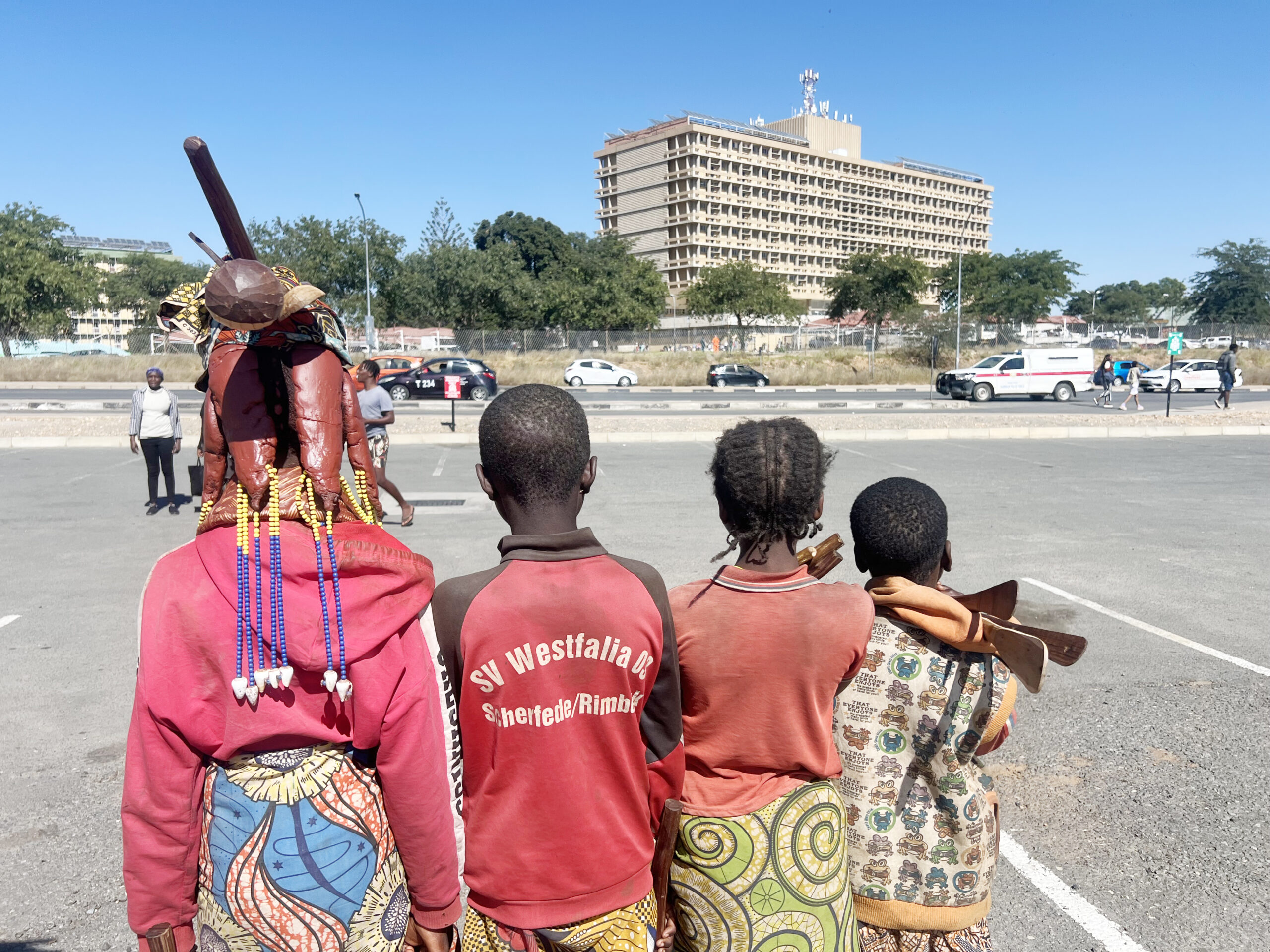
Ombudsman Advocate Basilius Dyakugha has said Angolan children selling handmade crafts in Namibian streets do not qualify as child labour.
His office is investigating their plight.
Speaking at the signing of an agreement with the Angolan Ombudsman in Windhoek on Wednesday, Dyakugha said officials from his office were dispatched to observe the children’s daily activities.
The investigation found that the children were selling crafts they had made themselves, which does not meet the United Nations (UN) definition of child labour.
Angolan Ombudsman Florbela Rocha Araujo said the agreement seeks to promote collaboration in ensuring access to justice, protecting fundamental rights and fostering a fairer, more equitable society in both countries.
The UN defines child labour as work that deprives children of their childhood, potential and dignity.
It is harmful to their physical and mental development. Dyakugha noted that in this case, the children moved from Angola with their parents for economic reasons.
They are not employed by any persons.
He added that if there are cases where children are being employed, those must be reported to the labour ministry.
“Our office took the matter up with the central government because it is a matter that is supposed to be handled by our Ministry of International Relations and Cooperation and the Angolan Embassy in Namibia.
The matter was dealt with properly through diplomatic channels. As you know, people have freedom of movement in both countries, so it is a continuous effort by both governments to address the children and adults who came to Namibia for economic reasons like any other citizens all over the world move between borders,” he said.
Dyakugha added that while most of the children had been repatriated to Angola through coordinated efforts between the two nations’ authorities, many have since returned due to economic hardship.
The agreement aims to strengthen cooperation on human rights issues, including the plight of these children.
Among those affected is 25-year-old Neene Sikunda from Ondjiva, 42 kilometres north of the Namibian border. She told Nampa that she arrived in Windhoek in December 2024 with her six-year-old child, selling wooden spoons and rods in an area frequented by shoppers in Katutura. She revealed that they make about N$50 per day, and live in a corrugated iron shack in Okahandja Park with 20 others, where they pay N$50 a month for rent.
“We moved from Ondjiva because there is no money there,” Sikunda said.
Six-year-old Theresia Domingu* said she travelled from Ondjiva with elderly women as her guardians.
“Some days you can sell items of N$10 for N$5 because customers are limited, but it is better than staying in Ondjiva,” she said.
Meanwhile, legal practitioner Kadhila Amoomo has criticised the situation as exploitative.
He argued that exposing children to such harsh conditions is abusive.
He said Namibia, as the receiving country, has international obligations to protect vulnerable economic migrants, particularly children.
“We have attracted international obligations towards them to avoid exposing them to economic hardships, especially the children. We cannot run away from the unfortunate… So, the Ombudsman has a duty to take the government to task because those people are now the responsibility of the government,” Amoomo stated. -Nampa