


Suzith Tjitaura
The Ministry of Health and Social Services has addressed social media claims alleging inflated pricing in the procurement of Quinine 300 milligrams (mg) tablets, an anti-malarial medication.
In a media statement, the ministry clarified that while Artemether-Lumefantrine remains the recommended first-line treatment for uncomplicated malaria, Quinine 300mg tablets continue to play a critical role as a second-line option.
These tablets are especially important for patients who experience adverse reactions to first-line treatments or belong to vulnerable groups, such as pregnant women.
“Any suggestion that Quinine is no longer needed is not only misleading but also risks undermining public trust in Namibia’s malaria treatment programme.
In response to the escalating outbreak of malaria and the urgent need to replenish dwindling supplies, the ministry activated its emergency procurement protocols guided by Section 33 of the Public Procurement Act, Act No. 15 of 2015, as amended,” reads the statement.
Multiple registered pharmaceutical suppliers were approached.
West Pharmaceuticals was selected based on its ability to deliver the required commodities within one week, thereby ensuring continuity of treatment and preventing possible stockouts that could have led to more avoidable deaths.
“It must be noted that the ministry’s urgent request for 300 packs was well below the manufacturer’s minimum order quantity of 60 000 packs, making direct procurement from the manufacturer impractical due to long lead time for delivery and minimum quantity requirements.
Suppliers also do not disclose their exact procurement costs or single exit prices to the market in general or the ministry in particular, limiting our ability to scrutinise their internal pricing structures,” it adds.
It notes that given the critical need for life-saving medication, the ministry prioritised speed, availability and saving lives while giving due regard to cost considerations.
“These actions were taken within the boundaries of emergency public health protocols that allow for flexible procurement when public safety is at risk and the urgency to save precious lives as an indispensable, public health imperative,” it says.
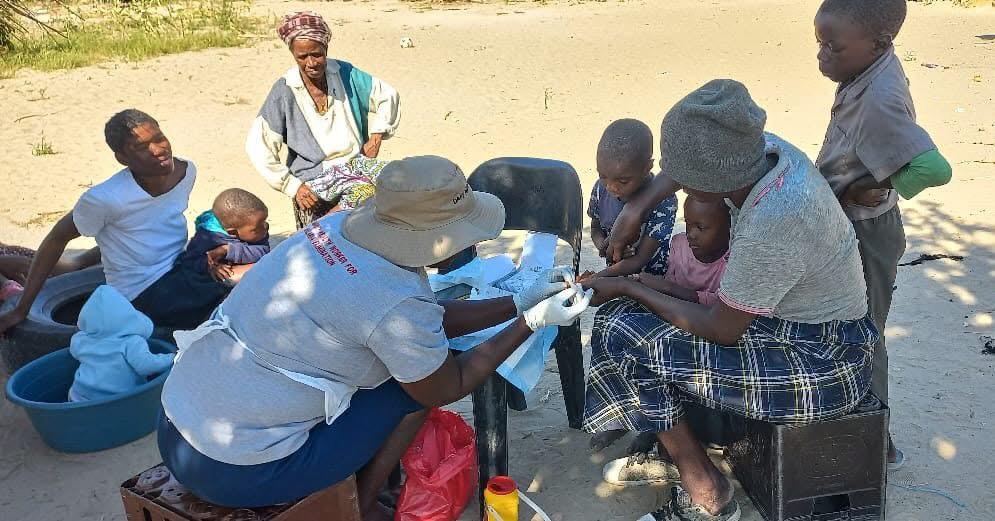
The country has recorded 76 195 confirmed malaria cases and 132 deaths between December 2024 and 20 May 2025.
-Nampa