


Heather Erdmann
David Matheus
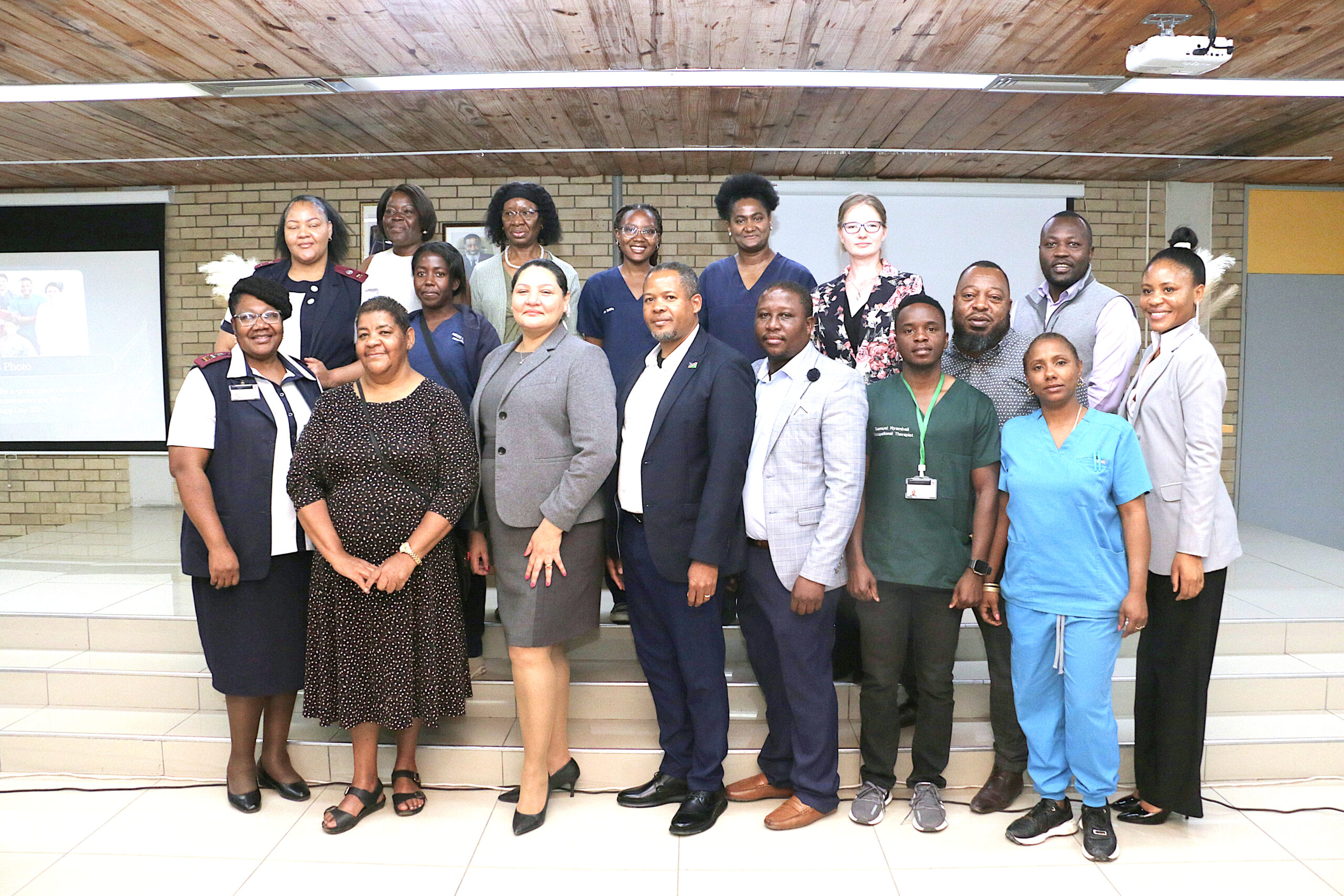
Namibia joined the world in celebrating World Physiotherapy Day at the Windhoek Central Hospital yesterday.
The event was held jointly by stakeholders, including the Ministry of Health and Social Services and the University of Namibia.
The Namibian Society of Physiotherapy (NSP) reaffirmed its commitment to the World Health Organization’s (WHO) Rehabilitation 2030 goals, advocating rehabilitation and physiotherapy globally and locally, where many people are in need of these services.
The NSP chairperson, Christiane von der Heiden, emphasised the importance of physiotherapy. “We treat a lot of sports injuries, back pain, headaches, work with children with disabilities, developmental delays, neurological conditions, and we prevent non-communicable diseases, not forgetting educational advocacy,” she said.
This year’s theme, Healthy Ageing – Staying Active Across the Lifespan, aligns with WHO Rehabilitation 2030 calls to action. The Ministry of Health and Social Services recognises rehabilitation as an essential part of the health system. Namibia participates in WHO Africa regional consultations and policy dialogues on rehabilitation.
The key message for this year is that physiotherapy helps people stay active, independent, and healthy at all stages of life. Regular physical activity reduces the risk of heart disease, diabetes, falls, dementia, and many other conditions.
Any activity is better than none — even small lifestyle changes like taking the stairs or gardening make a difference. Falls and frailty are not inevitable parts of ageing; with the right support, people can maintain strength and balance. Physiotherapists are movement experts who provide tailored exercise, rehabilitation, and advice to improve quality of life.
The NSP expressed hope the activities will help raise awareness about the role of physiotherapy and strengthen advocacy for greater investment in rehabilitation services.
Collaboration with the Ministry of Health, MVA Fund, and HPCNA enhances integration opportunities. Alignment with the United Nations Sustainable Development Goals (UN SDGs) and WHO 2030 framework provides guidance for future national strategies and policy influence.
Photo: Heather Erdmann