


Bank Windhoek’s principal goal is to drive impactful change across Namibia to build resilience by funding key sectors such as renewable energy, sustainable water management, clean transportation and access to essential services.
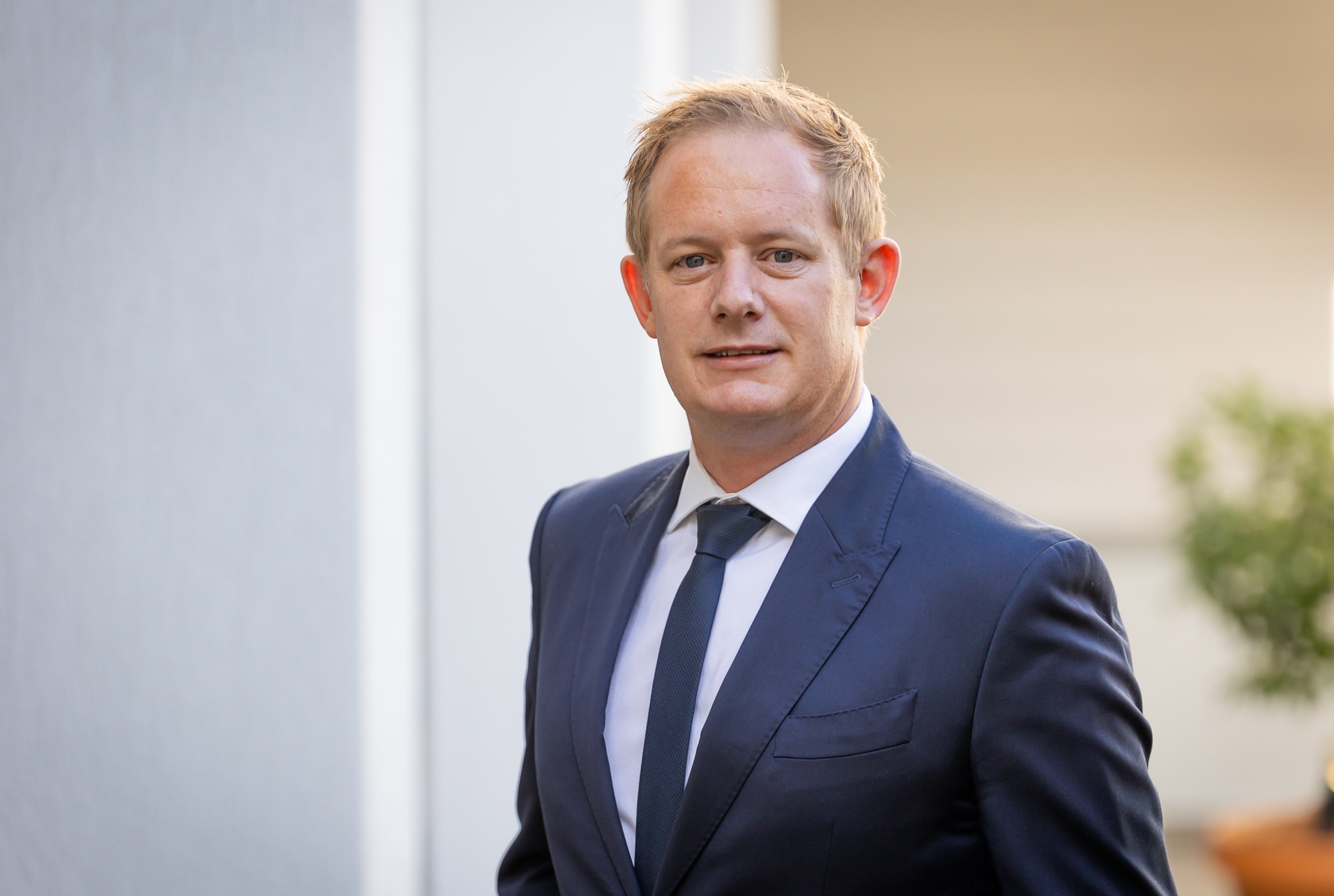
This is according to the bank’s managing director, James Chapman, who yesterday said the bank is making significant strides in promoting sustainable finance through its thematic bonds, including Green, Sustainability, and Sustainability-Linked Bonds, which are a first for Namibia.
The bank said in a statement these financial instruments are designed to mobilise private sector funding to support projects that offer environmental and social benefits, leveraging the bank’s expertise to assist individuals, public entities and businesses in financing sustainable initiatives.
“For the fiscal year 2026 to 2027, Bank Windhoek has set an ambitious target to disburse N$300 million in sustainable finance, blending depositor and other sources of funds to maximise environmental and societal impact. The bank is committed to continued transparency in reporting on its progress towards this target during this period,” said Chapman. Meanwhile, the bank’s chief treasurer, Claire Hobbs, said between June 2024 and June 2025, support was extended to various industries critical to Namibia’s future. “Totalling N$112 million, this includes economic advancement (N$39 million), sustainable use of natural resources (N$6 million), clean transportation (N$9 million), energy (N$31 million), and access to essential services (N$27 million),” said Hobbs.
The bank added that projects across multiple sectors have been financed in a concerted effort to drive sustainable development and economic growth. These initiatives enhance renewable energy, clean transportation, natural resource management, education, and socio-economic advancement. “The impact of these projects is measured in terms of capacity installed, emissions reduced, land irrigated, educational access, and employment opportunities created,” the bank stated.
Two significant projects received an investment of N$39 million, supporting economic activities that create employment opportunities and foster economic growth within communities.
Four education projects were financed with N$27 million. These projects have established or upgraded four schools, increasing education access and enhancing learning infrastructure. Additionally, nine projects received a total investment of N$6 million, irrigating over 67 hectares. This support has led to increased agricultural production and resource sustainability.
The clean transportation sector saw an investment of N$9 million in 15 hybrid vehicles. The deployment of these vehicles has helped reduce emissions, promoting cleaner transportation alternatives. Furthermore, the renewable energy sector includes 32 projects financed a total investment of N$31 million. These projects have resulted in installing a Megawatt capacity, contributing to reduced emissions and supporting clean energy adoption.
Hobbs added that these strategic investments highlight Bank Windhoek’s commitment and efforts to sustainable development, ensuring that Namibia’s economic growth and future are environmentally responsible and socially inclusive.