

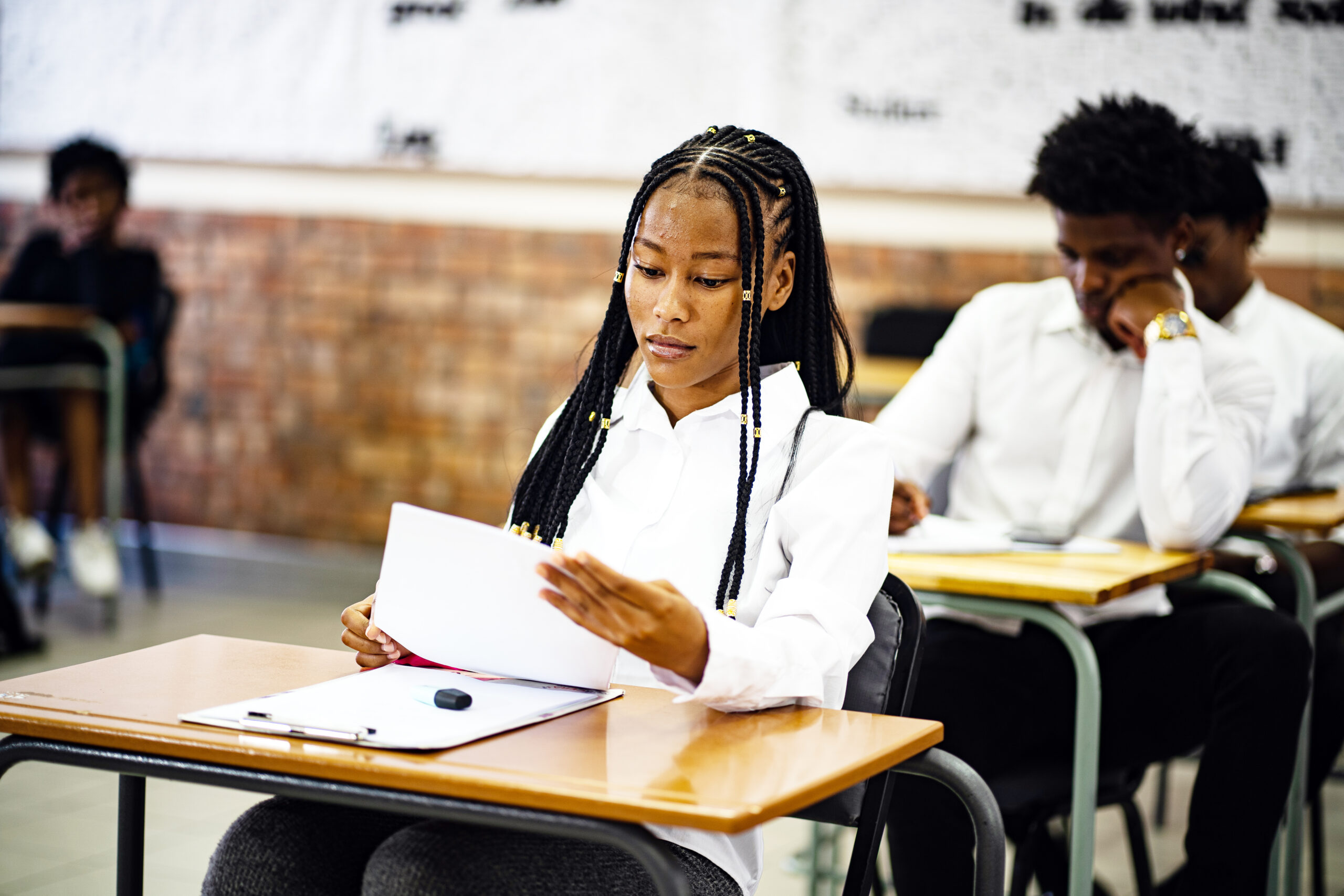

Navigating challenges that come with being a teenager battling cancer in high school can be daunting.
The Student Life Susanna film highlights the life of Susanna Gawachas as she navigates the realities of ovarian cancer stage one.
The film offers a glimpse into Gawachas’ life, from tough times in school to personal growth, while also touching on the delicate topic of cancer.
“The project brings together a creative team of young filmmakers, photographers, and storytellers who collaborated to bring Susanna’s story to life. Central to the film is Susanna herself, whose honesty and openness form the heartbeat of the documentary,” said film director Gabriel Ntelamo.
Based on a true cancer story, they decided to focus on Student Life Susanna to craft something that goes beyond superficial narratives about student life.
“It was important for us to document the raw and unfiltered reality of being a student, while also showing how determination and hope can carry one through difficult times,” said Ntelamo.
He said the idea was inspired by a desire to showcase genuine voices of students who are often ignored.
Ntelamo explained Gawachas’ personal story stood out as one that could represent both the struggles and resilience of students in Namibia, making it the perfect starting point for the sequel film, Student Life Save the Semester.
“The message is simple yet powerful: Every student’s story matters. Through Susanna’s journey, we want to inspire others to keep going despite hardships, to remind society of the importance of supporting students, and to celebrate the resilience found in everyday lives,” said the producer.
Ntelamo stated that, the production took several months of planning, filming, and editing.
He added that balancing tight schedules, limited resources, and academic commitments made the process challenging, especially with a zero budget, but the passion and dedication of the team carried the project through.
The one-hour and 17-minute documentary was shot in Windhoek and Swakopmund, with casts including Gawachas, Ntelamo, Sylvester Petrus, Laura-Lee Tjipueja, and Ndapewa Leonard.
Some of the biggest challenges included limited funding, coordinating schedules between team members and Gawachas, and managing technical resources for shooting and editing.
Ntelamo said despite these obstacles, the team worked creatively to overcome them, proving that storytelling can thrive even with modest means.
The documentary was showcased last week at the Namibia University of Science and Technology, with more venues to be announced soon.
-psiririka@nepc.com.na