


Pinehas Pinehas
Albert Nicanor, the Chief Executive Officer of Nascam, had a discussion with Onesmus Joseph, the Intellectual Property Enforcement and Frameworks Manager at Bipa.
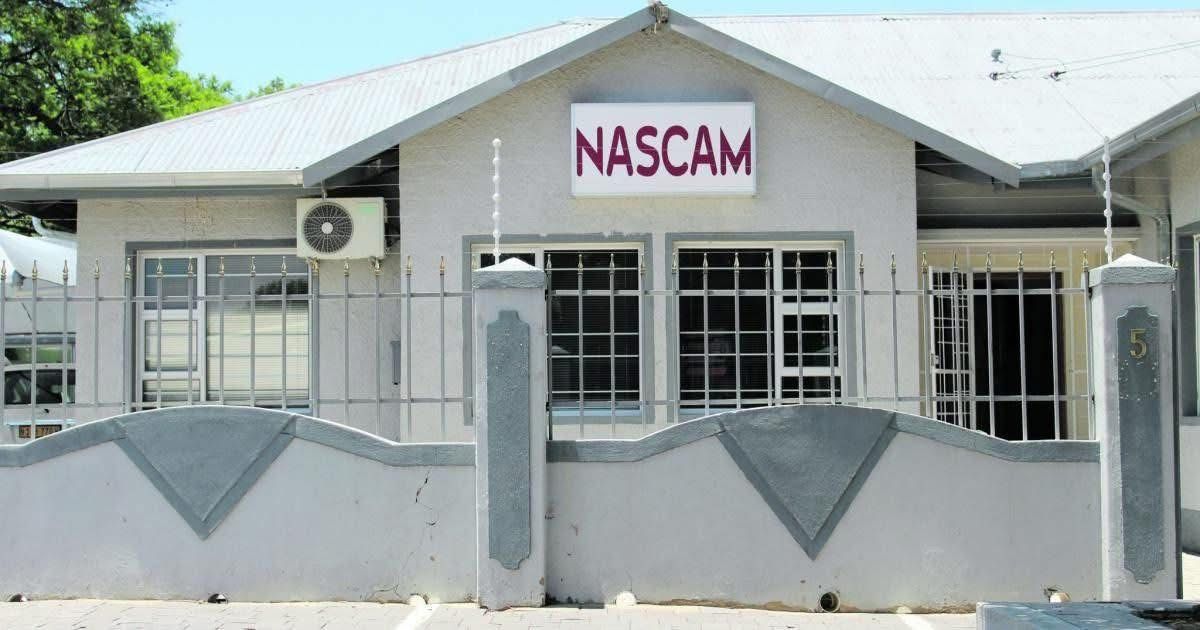
Nascam (Namibian Society of Composers and Authors of Music) is a registered Collective Management Organisation (CMO) responsible for registering music creators and issuing licences to individuals, businesses, broadcasters, and events that use music,
The Business and Intellectual Property Authority (Bipa) is the official authority where one can register a business or protect intellectual property in Namibia.
The discussion centred around Nascam collecting royalties from users and distributing it to creators whose music have been used.
It also included an element of educating artists about the importance of registering themselves with Nascam, Onesmus said.
“You know, registering with Nascam is just another way for you as a creator or as a musician to commercialise your music; it’s your product. Surely, you can commercialise it by yourself, but is that the best option?”
Onesmus acknowledged the fact that some artists or musicians may not be well informed about how to go about registering themselves and becoming members of the collective management organisation. Touching on the eligibility of artists who fit the criteria for registration, Albert Nicanor said.
“Firstly, for creators, it must be original work. If they have original work, they approach Nascam, we register them as a member, and they notify us of their original work. That’s the first step, and then it’s loaded on the database,” he explained.
He also further elaborated on how Nascam manages the use of copyrighted works and royalties for users.
“For users, the principle is, you must notify us that you want to use a rights holder’s work, and then we do an assessment. What type of user are you? We do an assessment, and then we determine the tariff, and then issue a license. Usually, there is an obligation for broadcasters, who must supply us returns on usage, which is very key, but general users don’t need to supply us with the returns or usage data because we rely on this data from broadcasters, for instance, to be able to pay royalties.”
When asked about royalty payments and how they are calculated, he said they have various factors or variables they use to determine how much royalty will be paid to a specific rights holder.
“It depends on the duration of a song being played on the radio, the number of plays, for instance, and how much was paid by the broadcaster. So those are the variables we take into consideration when we determine priorities. It’s not straightforward for me to say if your song has been played 10 times, this is how much you’re getting.”
Onesmus added that musicians or artists who notice their music being used or played without copyright responsibilities being practised by the user can take action.
“We have successful cases of criminal cases where individuals approached the police and their rights were restored through court processes,” he concluded.
This just reaffirms local artists that their music and passion will not just be exploited.
-ppinehas@nepc.com.na