


Rauna Kalola
Rapid urbanisation and an increase in the youth population have caused pressure on the provision of basic services in the Erongo region.
The region’s 2023 census report revealed that the population grew to 240 206 people in 2023, up from 150 809 in 2011.
This indicates a 59% increase just over a decade.
The report further revealed that 65.9% of the region’s population is under the age of 35. The 2023 Population and Housing Census report for the Erongo region was released recently by the Namibia Statistics Agency (NSA) in Swakopmund.
Urbanisation
The report painted a picture of rapid urbanisation, a youthful population and increasing pressure on basic services.
It highlighted that 90% of Erongo’s population now lives in urban areas, making it one of the most urbanised regions in the country.
Walvis Bay, with 102 704 residents, and Swakopmund, with 75 921 residents, dominate the regional population, together accounting for nearly three-quarters of Erongo’s inhabitants.
This urban concentration has increased demand for housing, sanitation, electricity, transportation and job opportunities.
The report notes that while this offers potential for economic dynamism, the prominence of youth also highlights concerns about the availability of jobs and skills.
The region’s unemployment rate stands at 32%, with young people and women most affected.
The youthful population presents both opportunities and challenges, necessitating targeted investments in education, vocational training and job creation.
Basic services
Erongo’s residents enjoy strong access to healthcare.
The NSA’s Population Proximity Atlas indicates that 94.5% of the population resides within 10 kilometres of a health facility, one of the best ratios nationally.
Network coverage is also strong, with more than 95% of residents connected to 3G or 4G services.
In education, the literacy rate in Erongo stands at 82%.
Additionally, over 80% of children, aged seven to 15, are enrolled in school.
However, rural constituencies, such as Daures, lag in school attendance, reflecting disparities that need to be addressed.
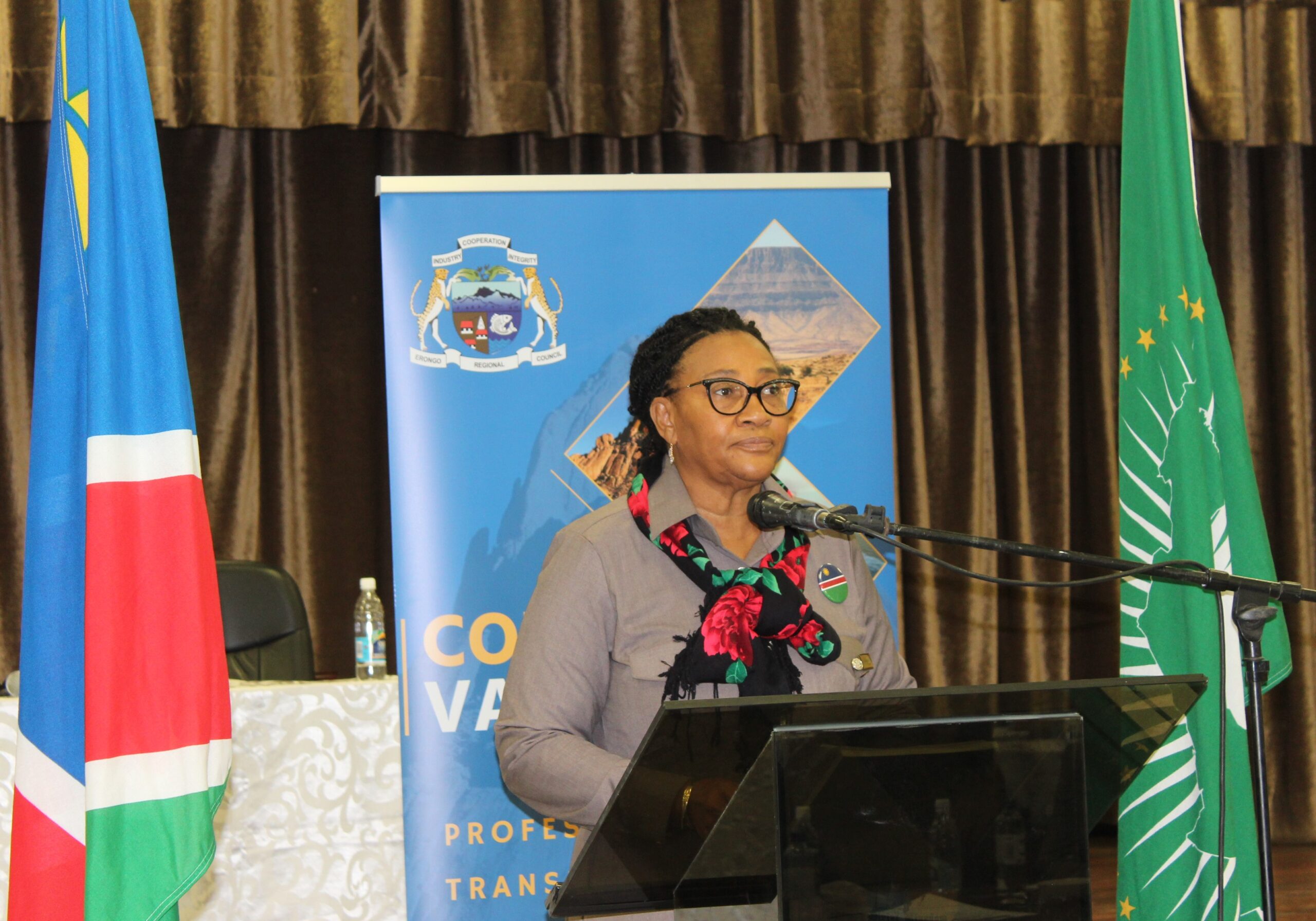
Speaking at the report’s launch, the Governor of the Erongo region Natalia /Goagoses, highlighted that the figures accurately represent the region.
“Imperatively, these are just not numbers and complex statistics, but a factual snapshot of who we are as a people, how we live, where we stand as a region, and how far we have come as a nation,” she said.
/Goagoses pleaded with regional stakeholders to utilise the regional census report to substantiate and guide planning.
“The census report should guide our planning for future programmes, inform our decisions and serve as a compass to monitor how far we can go in improving the lives of our people,” she pleaded.
Sylvester Mubila, deputy director of planning at the Erongo Regional Council, echoed the importance of statistics, describing them as the “backbone of planning”.
“Without reliable data, governments cannot set realistic targets, monitor progress or improve the quality of life of citizens” he emphasised.
The NSA confirmed that additional surveys, including the Household Income and Expenditure Survey (2025- 2026) and a Financial Inclusion Survey later this year, will provide more insights to inform planning and development.
As the region continues to urbanise and its youth population grows, the census results are expected to serve as a blueprint for local and national decision-makers grappling with the twin pressures of growth and service delivery.
*Rauna Kalola is an information officer at MICT in Erongo region.