

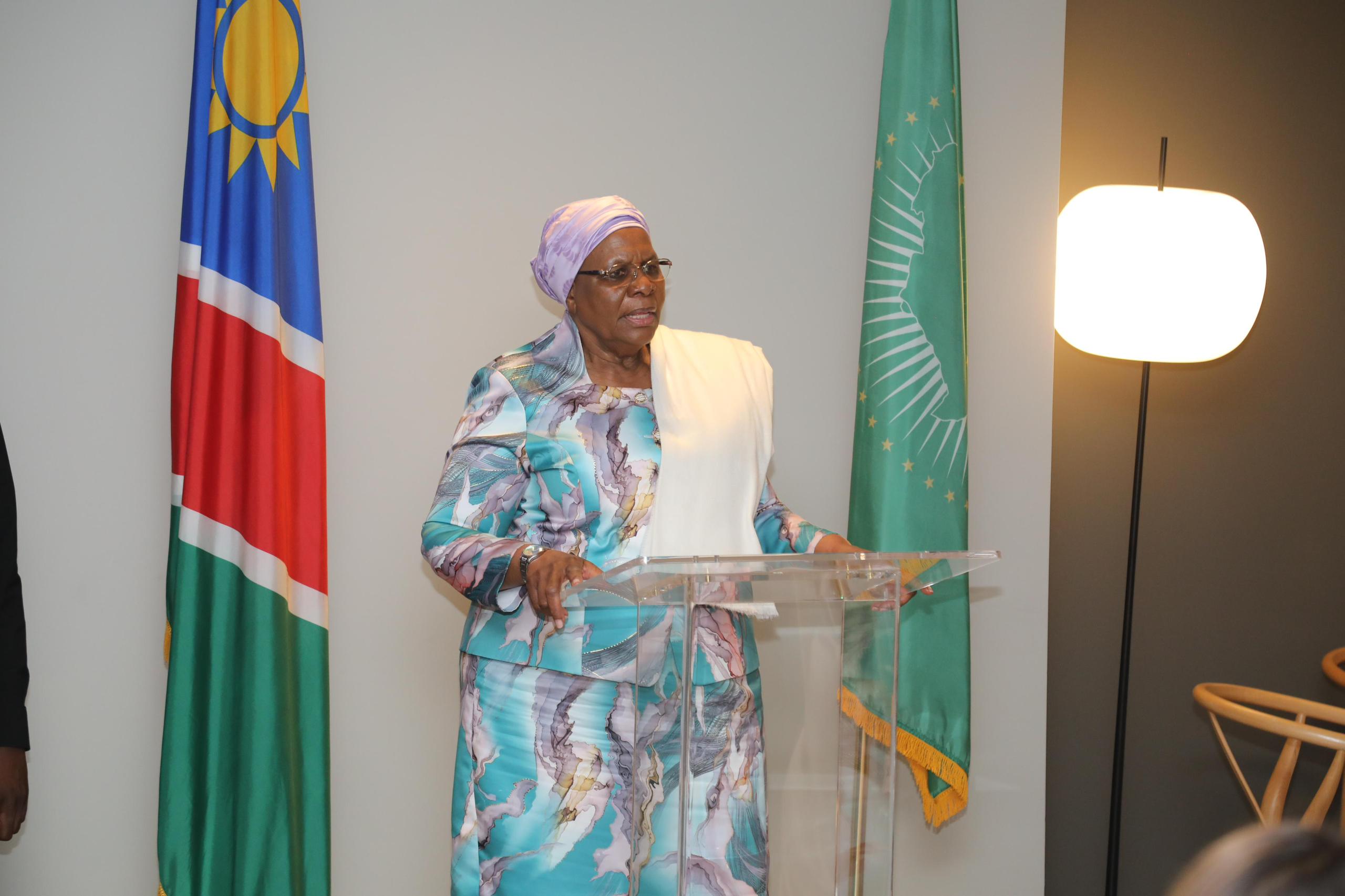

What makes President Netumbo Nandi-Ndaitwah’s African attire truly distinctive is how it effortlessly combines cultural authenticity with the seriousness of her leadership role. Unlike many who wear traditional clothing only for ceremonies, the President incorporates her heritage into her daily formal wardrobe, making it an essential part of her public image.
This genuine expression of African identity in leadership challenges typical norms of political dress, which often favour Western-style suits and dresses.
Her clothing choices reflect a deep respect for her ancestors and a deliberate effort to represent the diverse Namibian and African identities. She frequently includes traditional motifs, fabrics or materials that symbolise the unity and cultural diversity of Africa and Namibia. This inclusive style conveys a message of national unity and cultural pride.
African craftsmanship
The President’s garments often showcase exquisite African craftsmanship – from handwoven textiles to intricate beadwork and embroidery.
Wearing these highlights Africa and Namibia’s skilled artisans and the rich heritage of textile arts on the continent. Each piece is typically custom-made, reflecting both traditional techniques and modern design sensibilities. A notable aspect of her style is the use of African, sustainable, locally sourced materials.
This choice stresses a broader commitment to environmental consciousness and economic empowerment within Namibia and across Africa, supporting local communities and preserving indigenous knowledge.
Through her fashion, she advocates for a holistic approach that respects both cultural heritage and the sustainable development of Africa’s dressmaking and designing.
Colour and symbolism
Colour plays a crucial role in the President’s dressing style, with each shade carefully selected for its cultural importance.
For example, earthy tones like ochre and brown often honour the Namibian desert landscape. Brighter colours such as reds and oranges symbolise the vibrancy of African life and the spirit of resilience. Her outfit often features symbolic patterns and designs that tell stories of Namibian or African history, spirituality and social values. These elements turn her clothing into a form of visual storytelling, connecting her audience with the deeper meanings rooted in Namibian and African culture.
Headwraps
A signature feature of the President’s appearance is her distinctive head-wraps, which are both fashionable and culturally meaningful.
These head wraps are styled in ways that command respect and show confidence, reinforcing her status as a powerful female leader.
Beyond their appearance, head-wraps have deep cultural significance in many African societies, often symbolising marital status, social standing or spiritual beliefs. By consistently incorporating head-wraps into her formal attire, the President elevates this traditional accessory into a symbol of decision-making power and cultural pride.
Her elegant styles inspire many African, Namibian women and young girls to embrace their heritage with confidence.
Setting global example
At international forums, the President’s African attire not only symbolises Namibia but also challenges the global narrative about African fashion and identity.
She exemplifies a modern African leader who is proudly connected to her roots, showing that traditional clothing can be elegant, professional and meaningful. Her appearance in traditional dress at global summits sends a powerful message: African culture is lively, relevant and worthy of respect worldwide. This approach helps break stereotypes and promotes a greater appreciation for Africa’s rich cultural diversity.
Cultural renaissance
Through her distinctive style, the President plays a vital role in inspiring a cultural renaissance in Namibia and beyond.
She encourages Namibians and Africans to value their heritage and view traditional dress not as relics of the past but as living, evolving expressions of identity.
It is her unique support and commitment to economic empowerment through cultural industries for local fashion artisans and designers in Namibia, Africa and globally. Her example motivates designers, artists and cultural practitioners to innovate within their traditions, blending old and new to create contemporary African fashion that resonates both locally and internationally.
This cultural revival also fosters pride and self-esteem among Namibians and Africans, particularly among young people seeking to reconnect with their roots in a rapidly changing world.
*David Adetona writes in his personal capacity.