
In recent weeks, Namibia’s creative sector has been buzzing with the announcement of a call for Expressions of Interest to establish a Namibia Film & Creative City.
The idea of purpose-built studios, sound stages and creative hubs is compelling.
For many, it feels like the long-overdue recognition that our industry deserves.
But amid the excitement, a more serious question arises: who will benefit and when?
Large infrastructure projects inevitably create opportunities but mainly for builders, contractors, engineers and consultants. For filmmakers, actors and crews, the benefits may take years to realise.
Access, affordability and governance will determine whether Film City becomes a catalyst for local creativity or simply a monument to ambition.
Institutions
The bigger risk for Namibia’s creative industries is not whether Film City is built but whether our institutions remain strong, credible and representative.
If organisations like the Filmmakers Association of Namibia (FAN) and the Namibia Film Commission (NFC) are weakened or sidelined, then the very people Film City aims to serve may be excluded from its opportunities.
Institutions are not perfect – but without them, we risk fragmentation and marginalisation.
A building, no matter how modern, cannot replace the role of a collective voice.
Closing skills gap
Many colleagues in the industry have raised an urgent point: Namibia’s workforce in film and studio technical skills remains underdeveloped.
Without proper industry mapping and a nationwide skills assessment, we risk creating infrastructure that cannot be staffed locally.
The result?
Dependence on expatriate expertise, fewer jobs for Namibians and less local benefit.
To prevent this, industry input must guide training programmes, funding and access agreements well in advance of the first stone of Film City being laid.
Content creation
The solution is not just waiting for big projects to come but rather strengthening programmes already within reach.
The National Content Creation Programme (NCCP), developed through extensive consultation with members, offers a clear path forward.
Unlike infrastructure projects that may take years before creatives see benefits, NCCP creates immediate jobs for filmmakers, actors, crews, editors and writers nationwide.
Each funded project employs people behind and in front of the camera, as well as throughout logistics, equipment and service provision. Every project also builds experience and skills.
By backing local productions, NCCP helps filmmakers gain credits, refine their craft and develop professional standards to compete regionally and internationally.
Most importantly, NCCP makes sure stories are told now.
Infrastructure like Film City will be crucial for the future – but without current content, there will not be anything to showcase when those facilities are ready. NCCP promotes knowledge sharing on active sets and boosts the creative confidence of our sector. In this way, NCCP complements Film City. One lays the foundation for the future, and the other sustains and grows the industry today.
Unity
On 4 October 2025, FAN members will gather for a special general meeting (SGM).
Much has been discussed about procedures and portfolios – but at its core, this meeting is about something bigger – the credibility of our institutions, member unity and our industry’s ability to speak with one voice.
Film City may shape the infrastructure of tomorrow, but it is our collective efforts today that will determine if those structures serve or bypass the industry. At this pivotal moment, unity, consultation and credible representation are not optional.
They are the foundation of future success. It is about ensuring we have a voice in shaping policies, programmes and opportunities that could define our sector for generations.
The message is simple: let us come together, speak honestly and reaffirm the importance of institutions that represent us all.
Only then can Film City and every other initiative truly belong to the people it was meant to serve.
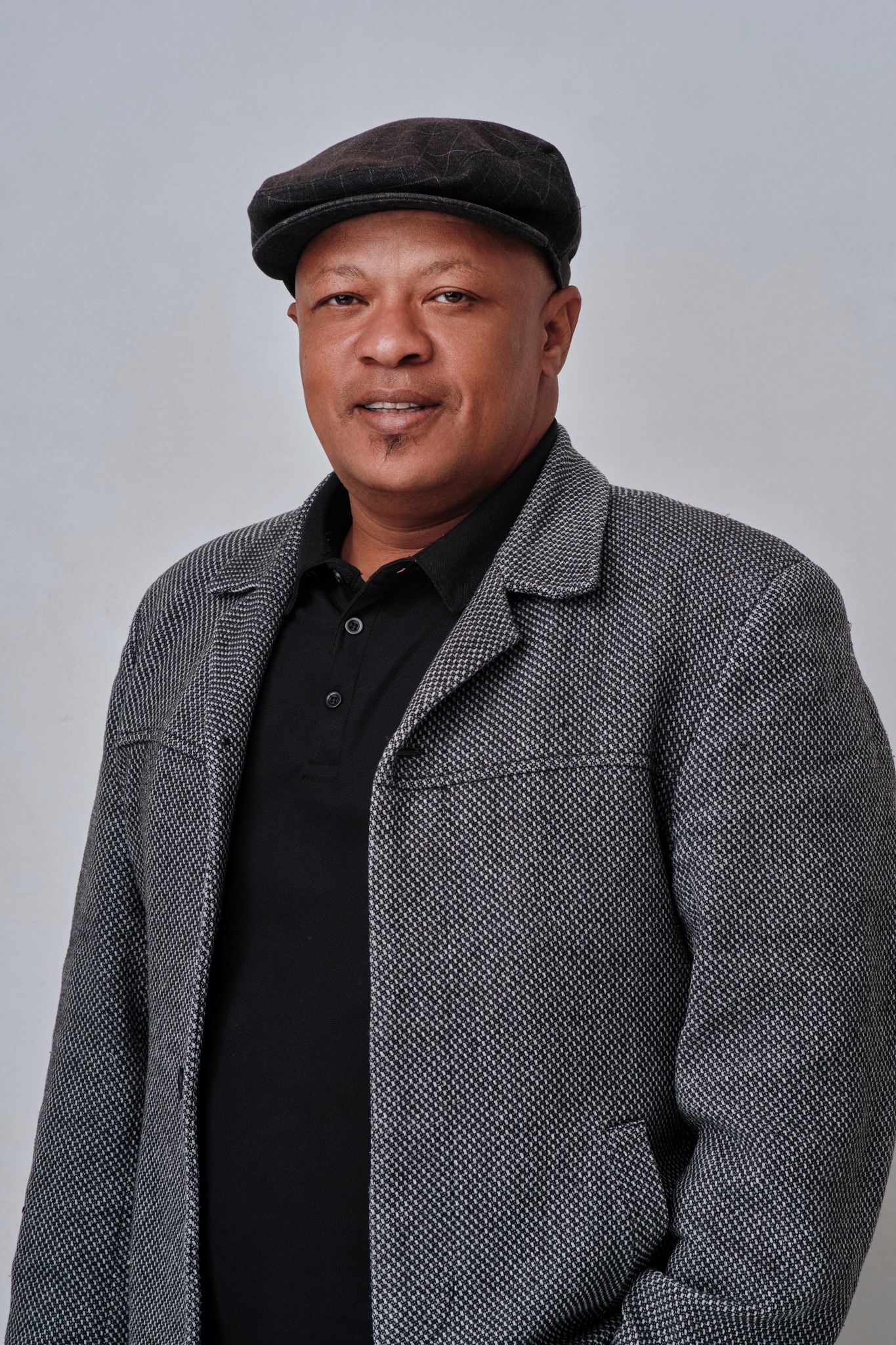
*Byron Gerome Joseph writes in his personal capacity. He can be reached at africannexusdm@gmail.com