

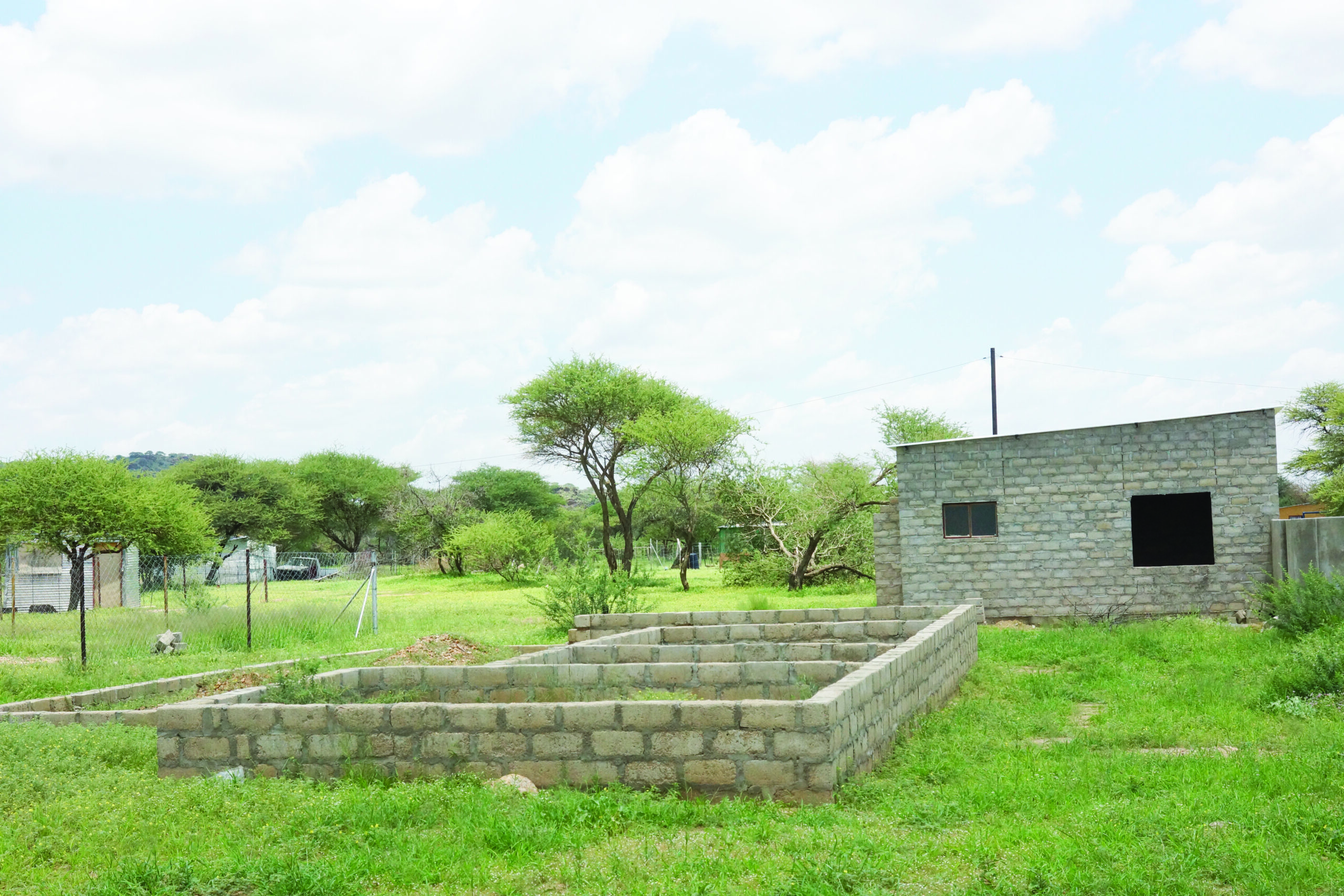

Under the sixth National Development Plan (NDP6), the government plans to service over 50 000 plots and construct more than 55 000 houses countrywide as part of its efforts to accelerate the delivery of affordable and accessible houses.
The NDP6, which will guide government’s social and economic development policies between now and 2030, will see government unlock housing opportunities both at urban and rural levels, with serviced plots increasing from 25 111 to 50 000 and houses constructed from 12598 to 55 126 in 2030.
By 2030, government also plans to reduce the proportion of households living in informal settlements from 28.7% to over 14.35%. Namibia is becoming an increasingly urban country with an estimated urban population standing at 50% in 2023. In addition, the population
in urban areas has increased by over 65% between 2011 and 2023, and the rural
population increased by 26.35% during the same period.
According to the 2023 Population and Housing Census, 28.7% of households are living in informal dwellings or shacks, which is 40.2% in urban areas and 14.7% in rural areas.
During the NDP5 period, approximately 10 494 new houses were constructed, and 18 387 plots were fully serviced during the period under review, against the set targets of 36 000 and 25 000, respectively.
Launching the NDP6, President Netumbo Nandi-Ndaitwah said the government will work hard to create inclusive and sustainable human settlements, by unlocking housing opportunities, implementing spatial planning, providing serviced land with basic services, and security of tenure for both urban and rural residents.
“Government has identified land and housing provision as one of its priority areas for development. Namibia is committed to the principles of adequate shelter for all and the promotion of sustainable human settlement development.
The establishment of human settlements is one of the most important factors, which will harness the full development potential of Namibia to address current and future needs of the growing population,” she said.
Nandi-Ndaitwah also said that under the NDP6, the Flexible Land Tenure Act will be rolled out to local authorities on a larger scale, as this will further lead to the formalisation of informal settlements through the implementation of the provisions of the Act to provide land titles to the residents.
“Serviced land delivery will be accelerated through the development of alternative land servicing models such as the incremental greenfield development concept. The strategy aims to ensure, provision of affordable serviced land and tenure security as an opportunity for adequate housing for all low and ultra-low-income groups. This will be delivered through stakeholder involvement and development of alternative housing construction models.”
Over 300 townships were proclaimed during the NDP5 period, surpassing the target of 105. In addition, the National Housing Information System (NHIS) was developed by government to track and cover housing statistics and new housing provisions per year.
NHIS continues to assist with planning in the housing sector and strengthen coordination between different players in the sector.
– ohembapu@nepc.com.na