

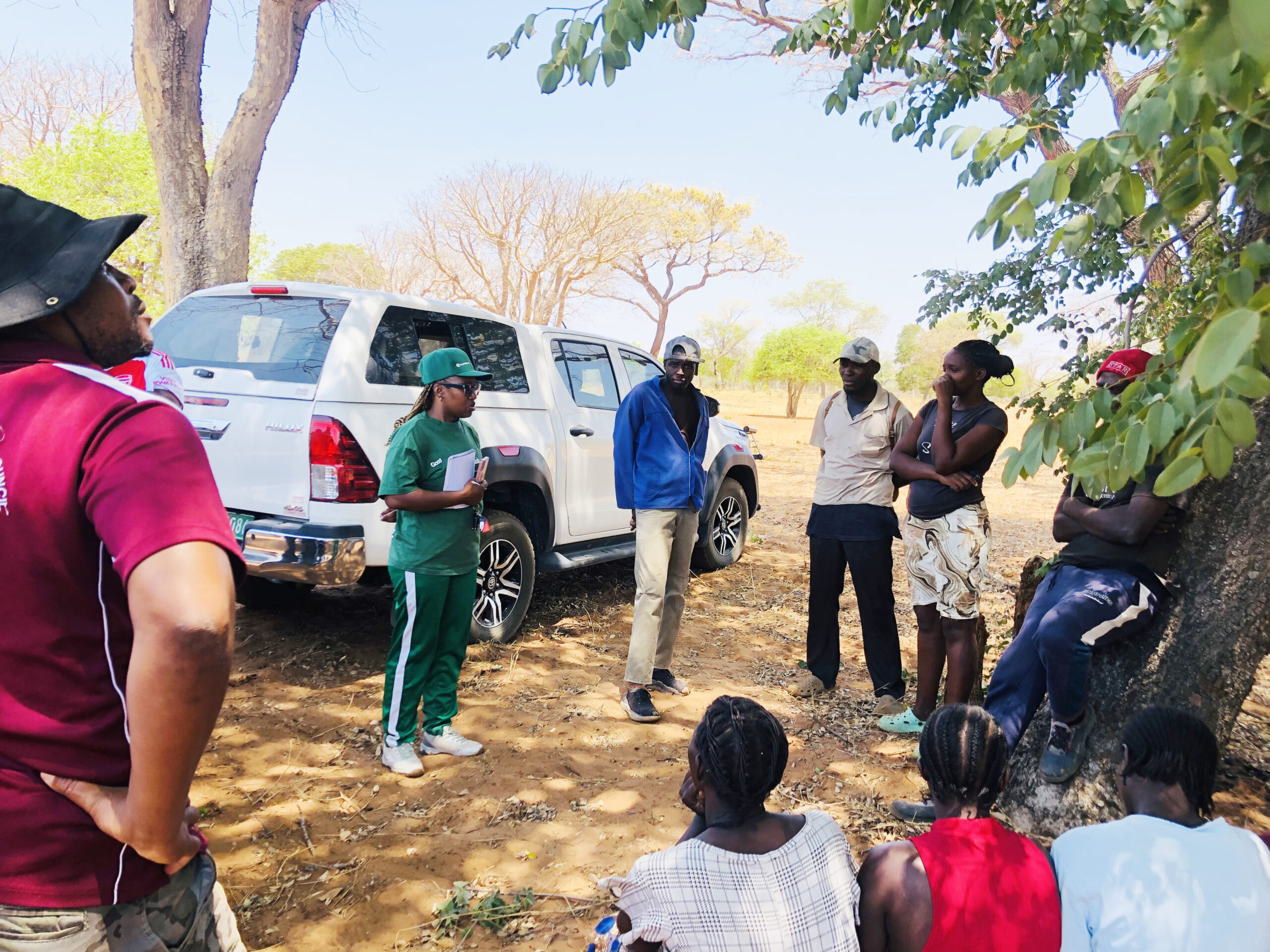

NKURENKURU – According to a recent council assessment of VAT-funded and capital projects in Kavango West, dozens of labourers have abandoned road de-bushing projects across Kavango West after facing harsh working conditions, inadequate pay, and lack of basic safety equipment across the region.
The projects, spanning over 50 kilometres of rural roads, were designed to improve access to remote communities. However, workers on seven major de-bushing initiatives complained of being forced to use their own traditional tools to cut large trees while earning only N$800 for three months of dangerous work.“We had to rely on our own traditional tools, which made the working conditions unfavourable and harder, leading many to quit the project,” workers on the Mutorwa- Nzovhu Road project told Nampa on Thursday. The 7.3-kilometre project was completed despite the challenges. Similar complaints emerged from other sites. On the 13.4-kilometre Utjiliro-Mamono Road project, 60 people initially registered to work, but only 35 completed the task.
Workers cited lack of protective equipment, low wages, and no food or water provisions during activities in areas prone to elephants, snakes, and scorpions.“Many also struggled with food since they were only paid upon completion, which was after three months,” labourers reported.Workers on the Gcigcoro-Etenderera project recommended payment per kilometre and wage increases, stating that the current compensation does not match the intensive labour required. At the Etare Sport Field de-bushing project, 26 workers expressed dissatisfaction with receiving N$800 for three months of clearing activities.
Site inspector Daniel Sirongo revealed good progress on small bushes, but larger trees remained uncut due to lack of chainsaws and axes. Workers were observed without gloves, boots, or safety gear. The Mpenzo-Mapanda Road project faced additional challenges as workers had to walk several kilometres to reach work sites in dangerous wildlife areas without protective gear.Kavango West Council officials acknowledged the problems and issued recommendations to address worker welfare.“The council should gradually phase out the cash-for-work approach and instead employ casual labourers for road de-bushing activities,” the assessment stated.
Officials recommended that all necessary tools, equipment, and protective gear be provided before project commencement.
They also called for regular road maintenance after de-bushing to prevent overgrowth and ensure year-round accessibility.The council emphasised that future projects should include budgetary allocations for safety gear, tools, and fair compensation based on distance and vegetation density rather than flat rates for all workers. -Nampa