


Kaviveterue Virere
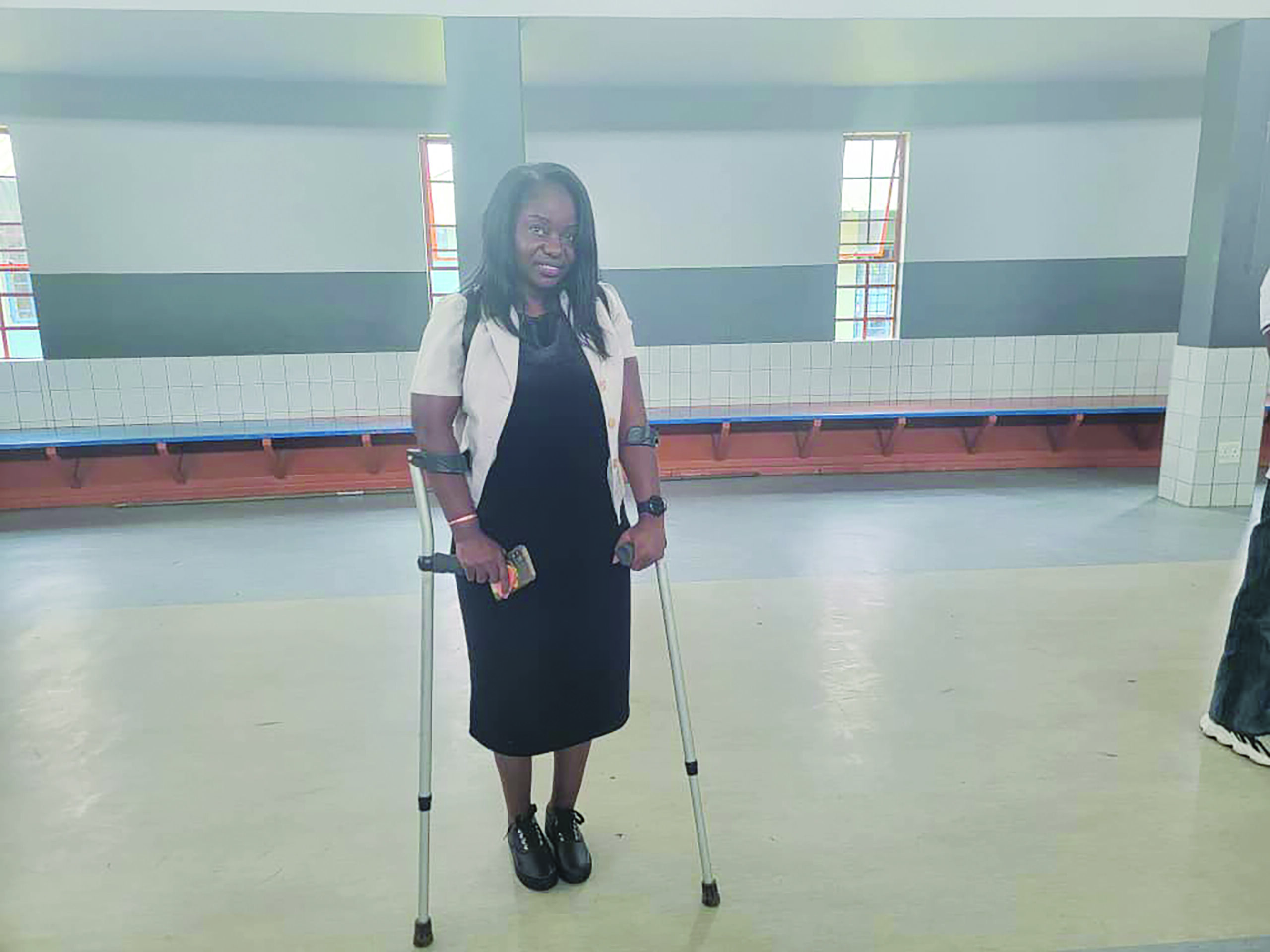
Ndapewa Kamati, 42 years-old, was born in Okahao, Omusati region, and has faced challenges from the beginning of her life. She was born without legs, and this gave her the determination and courage to shape her future.
She currently works as a customs officer for the Namibia Revenue Agency (NamRA), a profession that symbolises her resilience and commitment to making things better.
Speaking to New Era shortly after the International Prosthetics and Orthotics Day celebration at UN Plaza in Windhoek, Kamati told her amazing story, which is marked by perseverance, hope, and gratitude for the support she has received from Namibia’s public healthcare system.
“I have been using prosthetic legs since I was very young,” Kamati said. “When I initially got my prosthetic legs, it changed my life. I could finally stand and move about on my own, and it transformed my life. From crawling to walking, everything was conceivable,” she narrated.
To attend school, she moved between relatives. At first, she was living with her aunt and then with her grandfather, and eventually finishing her secondary education at Iipumbu Secondary School. In 2004, she relocated to Windhoek to pursue other chances and wanting to live an independent life despite her physical limitations.
“Living away from my parents was difficult, but I knew education was my key to a better future,” she said. Her perseverance finally paid off, as she finished school and began looking for work in Windhoek.
Kamati began her work with the Namibia Association of Differently Abled Women (NADAWO), which gave her encouragement and inspiration. “Working with other women with disabilities showed me that I could live a full life, it gave me courage to dream bigger, she said.
She later joined Voluntary Service Overseas (VSO) before moving to the Ministry of Finance in 2011 to work in administration. She started working with NamRA in 2023 as a customs officer.
Despite her successes, Kamati faces continued hurdles. Access to prosthetic services can be limited at times due to material shortages in public hospitals. “The staff at the hospital are always willing to help, but sometimes there are no materials to make or repair prosthetic legs,” she said.
She also mentioned the difficulties of navigating public spaces, since many buildings lack ramps or lifts, limiting involvement for individuals with impairments.
Kamati expressed her gratitude for the government’s assistance, noting that her prosthetic legs are provided free of charge. “If I had to buy them personally, I would never be able to afford them; they are quite expensive. I am grateful to the Ministry of Health and Social Services for allowing people like me to live independently,” she remarked.
She underlined the significance of International Prosthetics and Orthotics Day, saying that it gives people hope. “Many people who have lost limbs or were born with disabilities are unaware that help is available. Seeing someone walk again motivates them to keep going and not give up,” said Kamati.
Her advice to other people with disabilities is one of empowerment and unity. “Join support groups, interact with others, and seek encouragement. Sitting alone at home in misery will not improve your position. You can learn from others, gather information, and discover opportunities that will transform your life,” she said.