


The imperative of accountability and transparency is to foster trust, prevent corruption, and improve governance by ensuring that those in power are answerable for their actions and that their actions are open for public scrutiny. These are essential for good governance, citizen engagement, economic growth, and the responsible use of public resources.
Without transparency, it is impossible to hold individuals or organisations accountable for their actions. Transparency is the mechanism through which actions can be scrutinised, allowing accountability to follow. Therefore, a healthy democracy depends on strong, independent bodies to investigate serious allegations of abuse of power and ensure that no one is above the law.
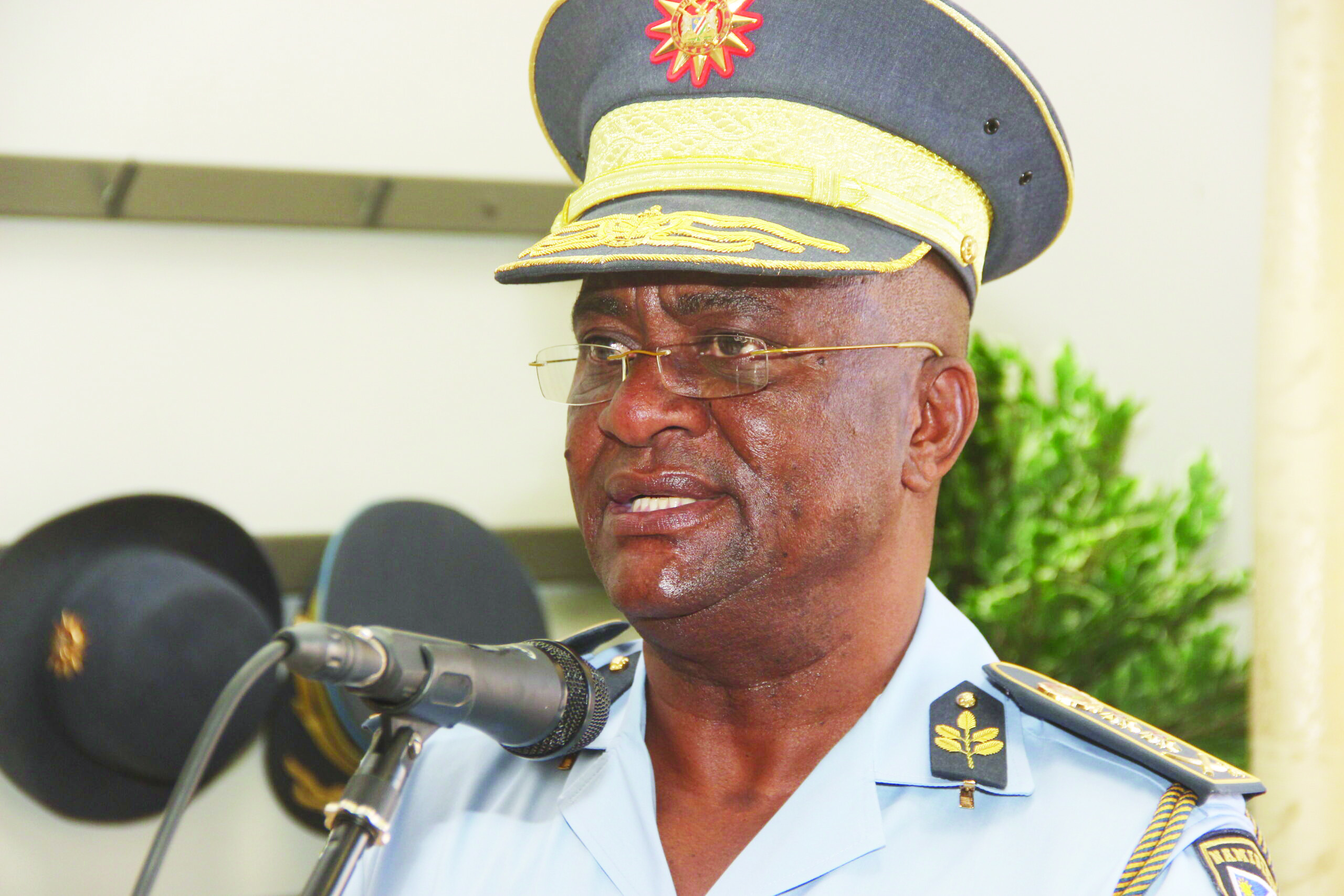
Lt. Gen. Nhlanhla “Lucky” Sibusiso Mkhwanazi is serving the KwaZulu-Natal Province of South Africa as the Provisional Police Commissioner. His recent testimony before the Madlanga Commission of Inquiry and the Ad Hoc Committee in South Africa, on 17 September 2025, offers critical lessons for society regarding accountability, the fragility of public institutions, the need for whistleblower protection, and the corrosive effect of political interference on the rule of law.
The Judicial Commission of Inquiry into Criminality, Political Interference, and Corruption in the Criminal Justice System, known as the Madlanga Commission, is a public inquiry led by retired Constitutional Court Justice Mbuyiseli Madlanga to investigate the allegations.
General Mkhwanazi’s testimony includes allegations of high-level corruption and political interference within the South African Police Service (SAPS), highlighting the critical need for accountability at all levels of government and law enforcement. The core of Gen. Mkhwanazi’s testimony was that senior officials, including the former Police Minister, interfered with police operations, such as the disbandment of the KwaZulu-Natal Political Killing Task Team, to protect associates involved in criminal syndicates.
The testimony exposes a troubling collusion among officials, businesspeople, and crime syndicates involved in drug trafficking, tender fraud, and killings, highlighting the risks of political interference and the need to uphold police independence. Evidence from the Madlanga Commission and Parliament’s Ad Hoc Committee suggests the issue is larger and more complex than previously thought.
The Madlanga Commission finished Lieutenant General Mkhwanazi’s testimony in phase one and is now in phase two, hearing evidence from those he implicated.
Key lessons learned
The Madlanga Commission of Inquiry is an ongoing inquiry, and as such, it has not yet published its final report of formal “lessons learned”.
Public testimonies and evidence during hearings highlight key lessons about the South African criminal justice system’s vulnerability.
Evidence has suggested a history of senior government officials attempting to interfere with police operations and investigations. A key lesson is the need for a stronger mechanism to insulate law enforcement and the National Prosecuting Authority (NPA) from political manipulation.
Testimonies has detailed the extensive infiltration of the state apparatus by sophisticated violent criminal networks, labelled the “Big Five” or “Cartel”, involved in drug trafficking, hijacking, tender fraud, and contract killings. This reveals a critical failure in existing security and oversight structures. Evidence shows systemic failures in SAPS and related entities, where lack of accountability and weak processes enabled corruption.
The importance of whistleblower protection is underscored by the need for some witnesses to testify behind closed doors to safeguard their safety, highlighting the inadequacy of existing protections for those who expose wrongdoing within the system. In closing, the Madlanga Commission’s lessons for Namibia highlight the need to protect democratic institutions from political manipulation and organized crime. Namibia must be vigilant against crime syndicates infiltrating state functions and strengthen anti-corruption, transparency, and intelligence-sharing to combat criminal infiltration at all government levels.
Political interference undermines the Rule of Law. Law enforcement must be protected from political manipulation to prevent the justice system from being weaponised for personal gain, which erodes public safety and trust. This also compromises operational integrity and may break laws. Corruption at high levels threatens public safety and fuels organised crime, impacting citizens’ lives. Ultimately, it erodes public trust and hampers the government’s ability to combat crime and social issues.
There’s a need to establish robust oversight mechanisms to investigate high-level allegations and hold officials accountable, ensuring that the police serve the public and not political interests. The establishment of the Madlanga Commission is a direct result of the lack of internal accountability mechanisms, highlighting the importance of addressing the complex interplay between command-and-control structures and individual accountability, particularly when superiors issue potentially illegal instructions.
The importance of speaking truth to power is vital. Surely, society must also support and protect individuals who speak truth to power, often at significant personal risk.
A key message is that courage means taking action despite fear.
Robust whistleblower protection laws are essential to encourage insiders to come forward and uncover corruption. A balance is needed between protecting sensitive information and upholding open justice. Effective protections prevent retaliation, as shown by the personal toll and safety concerns faced by whistleblowers.
Namibia’s 2017 Whistleblower Protection Act is not yet fully in effect due to delays and ongoing discussions among officials. Although passed, its start is stalled, with stakeholders urging swift implementation and resource allocation. The delay stems from debates over anonymity and implementation details. Namibia, quo vadis?
*Maj. Gen. (RTD) J. B Tjivikua is a Criminal Intelligence Analyst.