

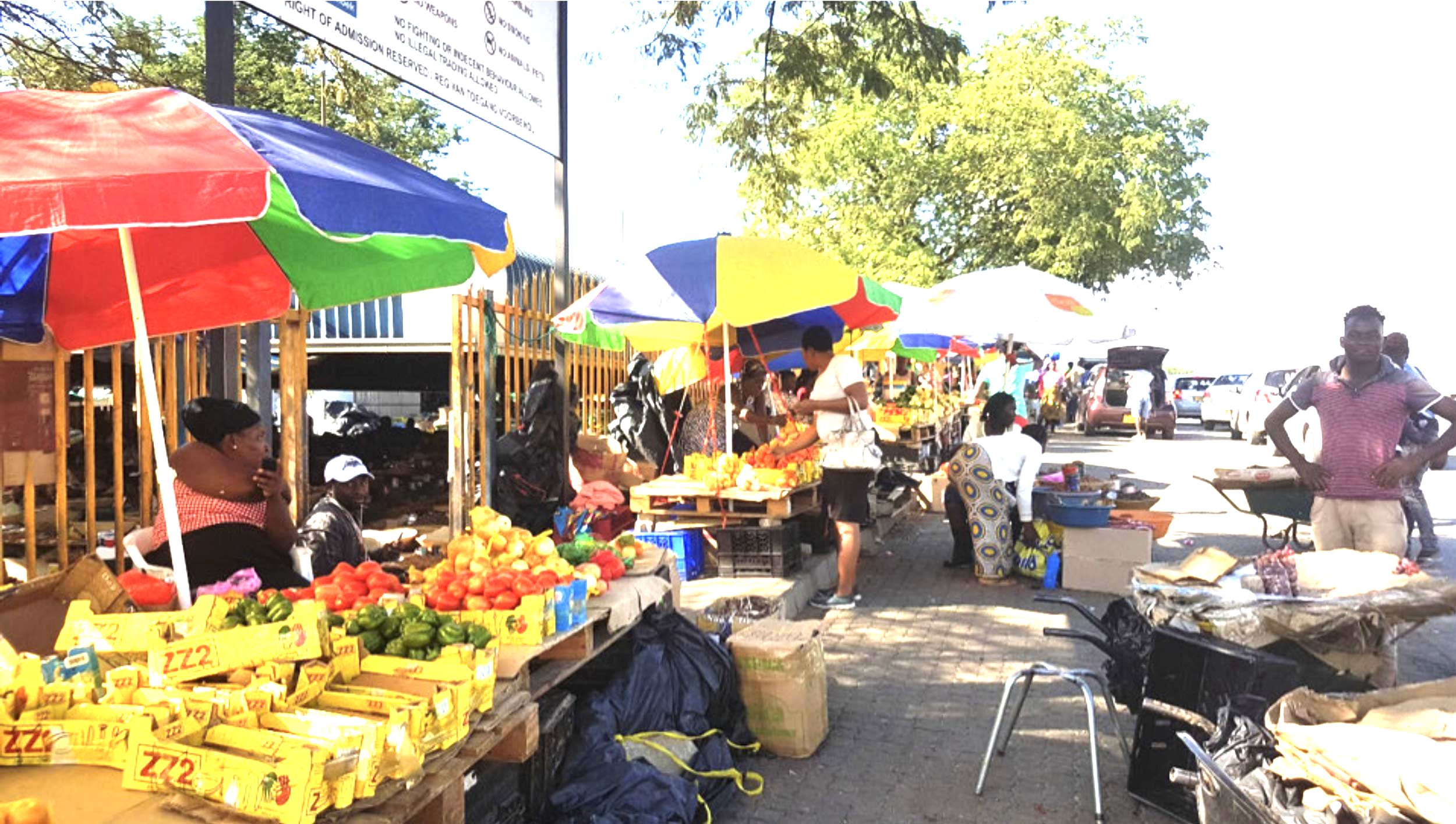

The Bank of Namibia, in collaboration with the Ministry of Industries, Mines and Energy, the Ministry of Justice and Labour Relations, and the United Nations, yesterday launched the ‘National Diagnostic of Informality in Namibia Report’.
Speaking at the launch, deputy governor of the Bank of Namibia Ebson Uanguata, described the informal economy as a major contributor to the entire domestic economy. It is estimated that Namibia’s informal sector currently makes up almost 60% of the total domestic economy.
The report launched yesterday aims to help Namibia better understand its informal economy, the part of the economy that operates outside formal systems like taxation or registration. It looks at the size, nature, and reasons why so many people work in the sector, while also suggesting ways to support them and make the economy more inclusive and sustainable.
“As policymakers and leaders, we now have a great responsibility. The information in this report does not just describe the situation; it guides us toward inclusive and sustainable growth,” he said.
Uanguta explained that after two years of research, Namibia now has a clear, evidence-based picture of the informal sector including its scale, character, and the human stories behind it.
“This report gives voice to the hopes and struggles of people in open markets, farming areas, home-based businesses, and informal settlements. For most Namibians, informality is not something on the side, it is the economy,” he said.
The central bank’s deputy governor added that, the report serves as a roadmap for action, highlighting opportunities for better financial services, well-designed products, and improved infrastructure to support workers and entrepreneurs in the informal sector.
He noted that, findings of the report are expected to help Namibia take meaningful steps toward inclusive growth and sustainable development, ensuring everyone, including those in the informal sector, benefits from the nation’s economic progress.
Michael Humavindu, chairperson of the National Working Group on Informality and finance ministry executive director, said that for too long the conversation about the informal economy has been one of silence, of oversight, and of an invisible workforce. The ED notes that for too long a narrative has been allowed to persist that treats this sector as a side activity, a temporary measure, or a shadow economy. “This sector is not a side economy, it is a pillar of our national life. It is the engine room where an estimated 58% of our workforce finds their livelihood. It contributes a significant portion of our GDP that demands our respect and full integration. The 2024 approved National Informal Economy, Startups and Entrepreneurship Development Policy (NIESEP) indicated that the Informal Economy in 2023 was estimated to be 24.7% of GDP, which represented approximately US$8 billion at GDP PPP levels. Such robustness continues as the latest estimate for 2025 indicates 26.5% of GDP representing approximately US$13 billion GDP PPP levels,” said Humavindu. The ED’s reference to PPP relates to purchasing power parity, which is a macroeconomic tool that compares the buying power of different sectors or currencies.
Humavindu added that the informal economy is the space where women, who make up the majority of workers, build up more than half of all enterprises, where youth build their first businesses, and where resilience survives in the absence of safety nets.
“We listened to the stories of the street vendors in Windhoek, constantly facing the threat of eviction, yet rising before dawn to provide essential goods. We spoke with the taxi drivers who navigate our cities, the backyard mechanics who keep our transport running, and the informal food vendors who’s small, survivalist operations feed our communities and fund the education of our future generation,” he said.