


Matheus David
The fight against Gender- Based Violence took centre stage in Windhoek this week as Namibian and Ghanaian activists and youth gathered to strengthen efforts toward creating safer and more equitable communities.
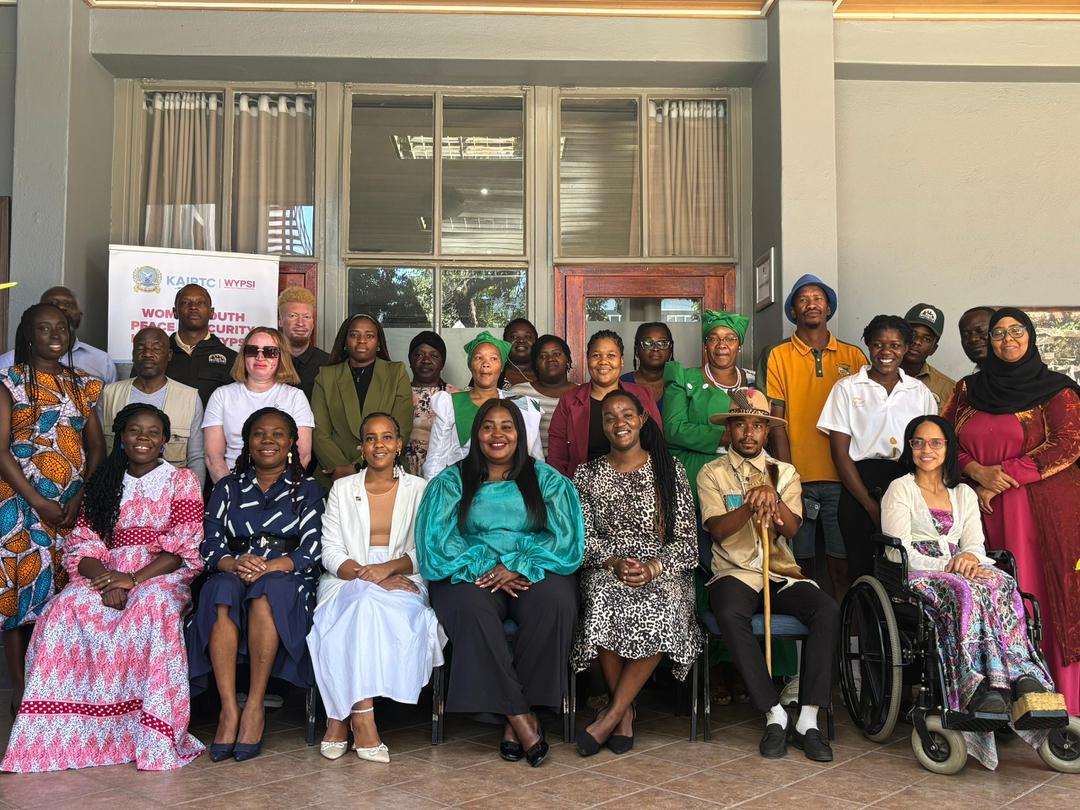
The training, themed “Preventing and Responding to Gender- Based Violence,” is being hosted by the Kofi Annan International Peacekeeping Training Centre (KAIPTC) of Ghana in partnership with the Young Women of Africa (YWOA), and supported by the government of Norway.
Deputy Commissioner Catherine Walaula, head of the Namibian Police’s Gender-Based Violence Division, said people must stand together in building a future free from fear and violence.
She said the training reflects shared commitment to ensure that women and young people are not only protected but are leaders in peacebuilding and community transformation.
Walaula thanked the delegation from Ghana for sharing valuable insights and practical strategies that Namibia could adopt in strengthening its own fight against GBV. She noted that GBV continues to undermine dignity and peace across the world, and young people hold the key to lasting change through their energy, innovation, and courage.
Elretha Schroeder, secretary-general of Young Women of Africa, said Gender- Based Violence is an issue that touches all our lives. “It is deeply personal because I believe every woman and every child deserves to live free from fear, violence, and injustice”, she said.
In addition, the training is a transformation platform bringing together representatives from traditional authorities, faith-based organisations, media, civil society, the police, and the legal fraternity.“We are here not only to learn, but to equip ourselves with the knowledge and tools to make a real difference in our communities”, Schroeder emphasised. Horname Noagbesenu, acting director for Women, Youth, Peace and Security at KAIPTC, highlighted the progress Namibia has made in reducing GBV cases, but cautioned that much still needs to be done. “In 2020, around 33% of Namibian women and girls experienced GBV. While that number has declined to between 15 and 22% in 2024, the fight is far from over,” Noagbesenu said. She further said the training is not only about building knowledge, but also about strengthening partnerships among key institutions and sectors.
“We cannot win the fight against GBV in isolation. Security agencies need community support, the judiciary must uphold justice, the media must amplify voices for change, and civil society must continue to champion the rights of the vulnerable,” she said.
Noagbesenu praised the government of Norway for its ongoing support to KAIPTC and its programmes, as well as Namibia’s continued commitment to the Women, Peace and Security Agenda.As the week-long training continues, participants will explore the link between gender, peace, and security to develop practical strategies to prevent and respond to GBV in their respective communities. “When women and girls, boys and men are safe,” societies thrive, peace is sustained, and development becomes possible,” Noagbesenu said. -matheusshitongenidavid@ gmail.com