


Iuze Mukube
A ruling of Acting Judge Petrus Unengu yesterday will see four convicts, who were sentenced to more than 20-years imprisonment for the attempt to secede the then-Caprivi region from Namibia in 1998, heading to the Supreme Court to appeal their sentence.
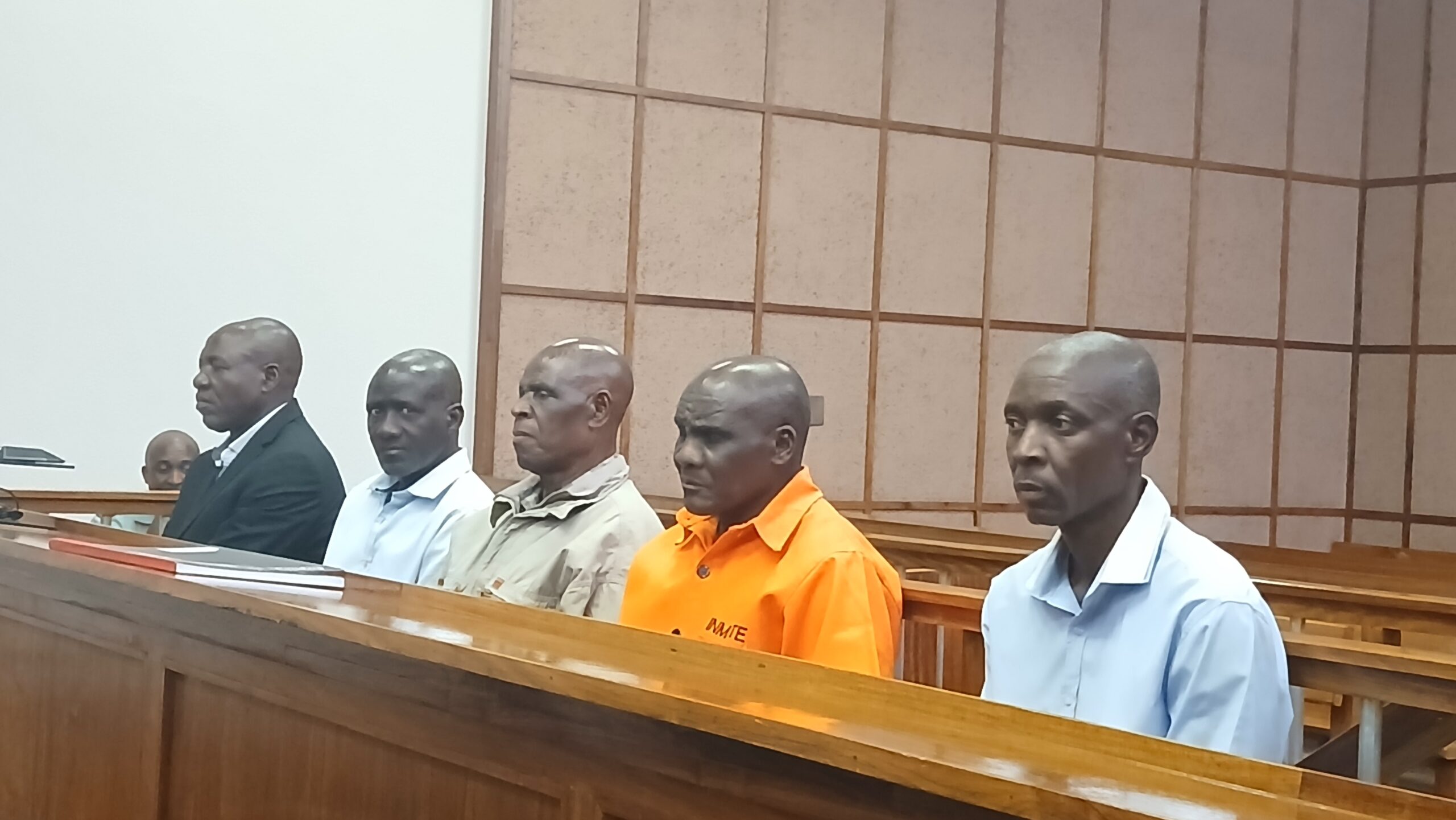
Progress Kenyoka Munuma, Shine Samulandela Samulandela, Manuel Manapelo Makendano, and Hoster Simasiku Ntombo were granted the opportunity to appeal against their sentences in the Windhoek Prison Court yesterday.
The convicts faced charges of high treason, sedition, murder offences under the Arms and Ammunition Act and other offences under the Immigration Control Act, among other charges. Munuma was sentenced to periods of imprisonment ranging from 26-years as he was found to be the leader and a key role player in the commission of the offences. 10 years imprisonment was suspended on certain conditions.
The other applicants’ sentences ranged from 20-years to five-years imprisonment of which parts were conditionally suspended for a period five-years. In early October, between 11 and 12 October, arguments were heard in the Windhoek High Court where they were seeking leave to appeal against their conviction and sentence.
They contested that the sentence imposed is “startingly inappropriate, induces a sense of shock and there is a startingly disparity between the sentence, and the nature of the offence.”
In the judgement, Unengu states that while it is not clear as to why the sentences imposed induces a sense of shock, he still granted them leave to appeal against their sentences imposed on all counts.
He stated that “it is possible that the Supreme Court may consider the sentences imposed by me to be a bit harsh compared to sentences imposed on the accused in the Lifumbela matter.”
“Although grounds of appeal are bad, lack averments of reasonable prospects of success on appeal, leave to appeal against the sentences will be granted to the applicants,” he added.
For the leave to appeal against the conviction, Unengu rejected the application, stating that the grounds of appeal were not specific nor clear and were lumped together with arguments.
He added the application did not indicate whether the applicants had prospects for success on appeal and that they failed to properly make out a case informing the court of what they wanted.
Furthermore, Unengu stated that he was not persuaded by the applicant’s lawyer, Ilse Agenbach, that he misdirected himself in dealing with evidence presented before him during the trial, ruling therefore that there are no prospects of success on appeal in respect to conviction.
In respect to two applicants, Frederick Ntambilwa and John Tembwe, the judge struck their condonation application from the roll for being filled with multiple defects.
Unengu stated that the application did not comply with requirements needed for a condonation application being as the lawyer, Jorge Nerves failed to acquire special powers of attorney in order to act on their behalf when deposing the application.
Hence, that no proper application for leave to appeal was before the court for his clients and the application was struck from the roll.
The condonation was in order to be given leeway to apply for leave to appeal to the Supreme Court, as the documents were filed late.