


SWAKOPMUND – Namibia is exploring a more sustainable and value-added approach to its seal industry. The seal industry to date has struggled to transform its seal quota into a more revenue and job creation sector due to a lack of international markets and pressure by human rights groups.
The Namibian seal harvest has been a subject of international controversy and concern from animal rights organizations, scientists and environmentalists. Critics of the seal harvest argue that the practice is cruel and unsustainable and has significant social and ecological impacts on seal populations and the marine eco-system.
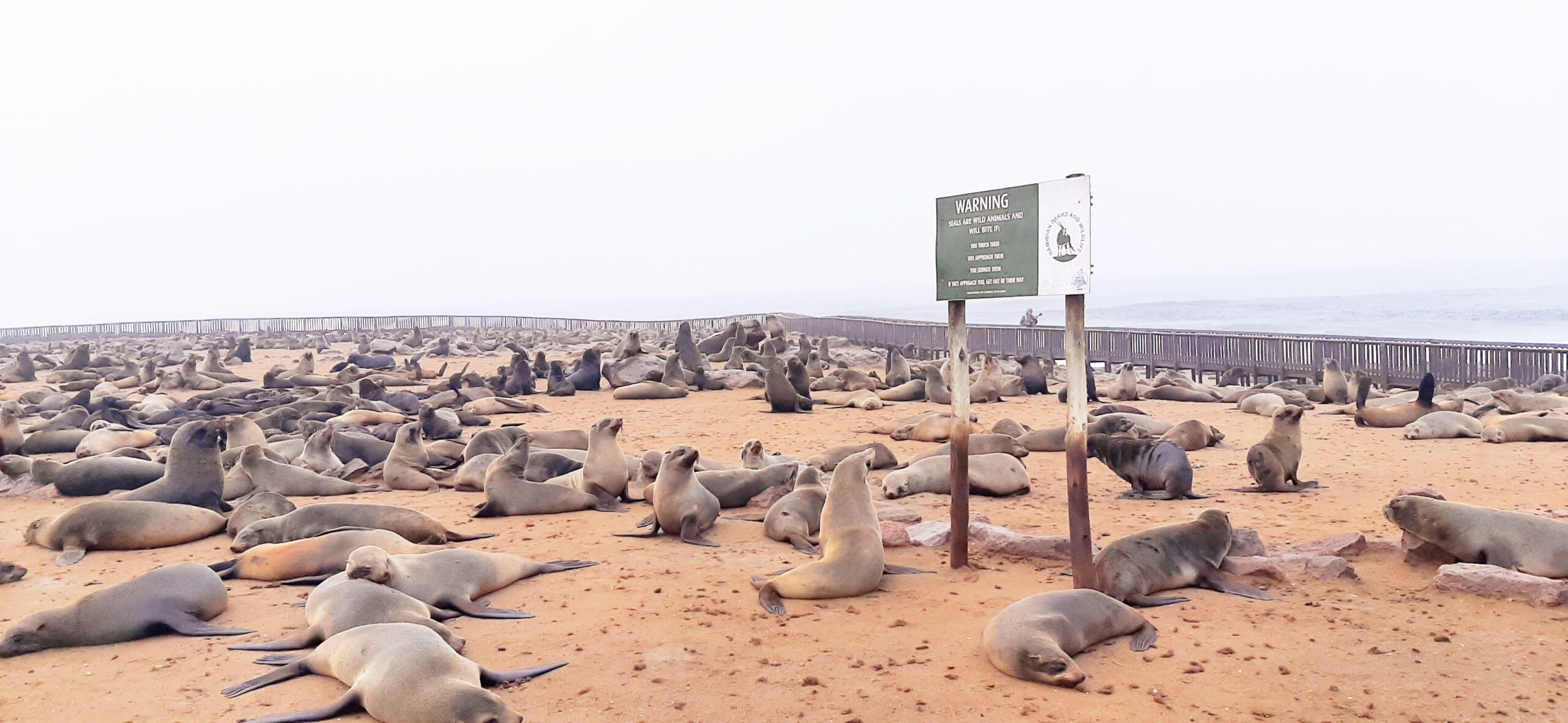
Namibia has 26 seal colonies stretching from Lüderitz in the south to the Erongo region in the west. Namibia’s seal population is estimated to be over a million, according to a parliamentary standing report that was released earlier this year on seals.
Namibia’s seal population has escalated to such an extent that it is putting pressure on local fish stocks.
They consume more fish than what is caught in total by fishing right holders in a season. Government for the past three seasons allocated a total allowable catch of 8 000 bulls and 80 000 pups to nine companies that are harvesting seals in the country.
Namibia currently has two seal factories, one in Henties Bay and one in Lüderitz, that are harvesting the seal quota. Currently, the only market that exists is for seal genitals, but due to the Cites regulations, they find it difficult to sell products.
However, the government is now stepping up efforts to manage the sector responsibly, develop value-added products such as leather and marine oils, which will create economic opportunities while safeguarding marine resources.
As a result, Deputy Minister of Agriculture, Fisheries, Water and Land Reform Ruth Masake, met with the management of Seal Products in Henties Bay to discuss diversifying and value-adding opportunities. Apart from that, the minister also toured the Cape Cross Seal Reserve.
“We need to responsibly harvest our seals within the approved scientific, conservation, and regulatory frameworks. It is vital to maintain ecological balance and support coastal communities through responsible harvesting,” she said.
She added that the economic potential of developing value-added products and opening new markets for seal products is a must to create much-needed jobs in the country.
“The ministry is committed to strengthening research, enhancing monitoring, and empowering communities, ensuring that the seal industry continues to create sustainable value for Namibians,” she said.
Meanwhile, the ministry last week also launched the Seals Sub-Sector Technical Committee to oversee sustainable seal management and value addition.
Executive director of the ministry, Teofilus Nghitila, indicated that the initiative is aimed at creating employment opportunities, driving innovation and enhancing the management of the country’s marine resources.
The committee will review and update the Seals Management Plan to ensure responsible harvesting and implement population management strategies for seal colonies.
It will also assess trade opportunities under the Convention on International Trade in Endangered Species of Wild Fauna and Flora and promote awareness and innovation in seal processing.
“The committee will provide a platform for inter-ministerial collaboration to ensure that Namibia’s natural resources are used responsibly, benefiting both people and the environment. It will also develop domestic, regional, and international markets, produce guidance on harvesting and market access, and advance training programmes to build local expertise,” he said.
Namibia has been seeing that the country faced international criticism in the past over its quotas. Pressure from global watchdogs and consumer groups forced several international companies to stop using Namibian seal skins, effectively halting exports.
Last year in December, authorities confiscated over two hundred kilograms of dried seal genitals from the Henties Bay factory under Cites after the company failed to prove proper authorisation and ownership.
Meanwhile, the same factory last week also lost over 2000 seal genitals through a break-in. – edeklerk@nepc.com.na