

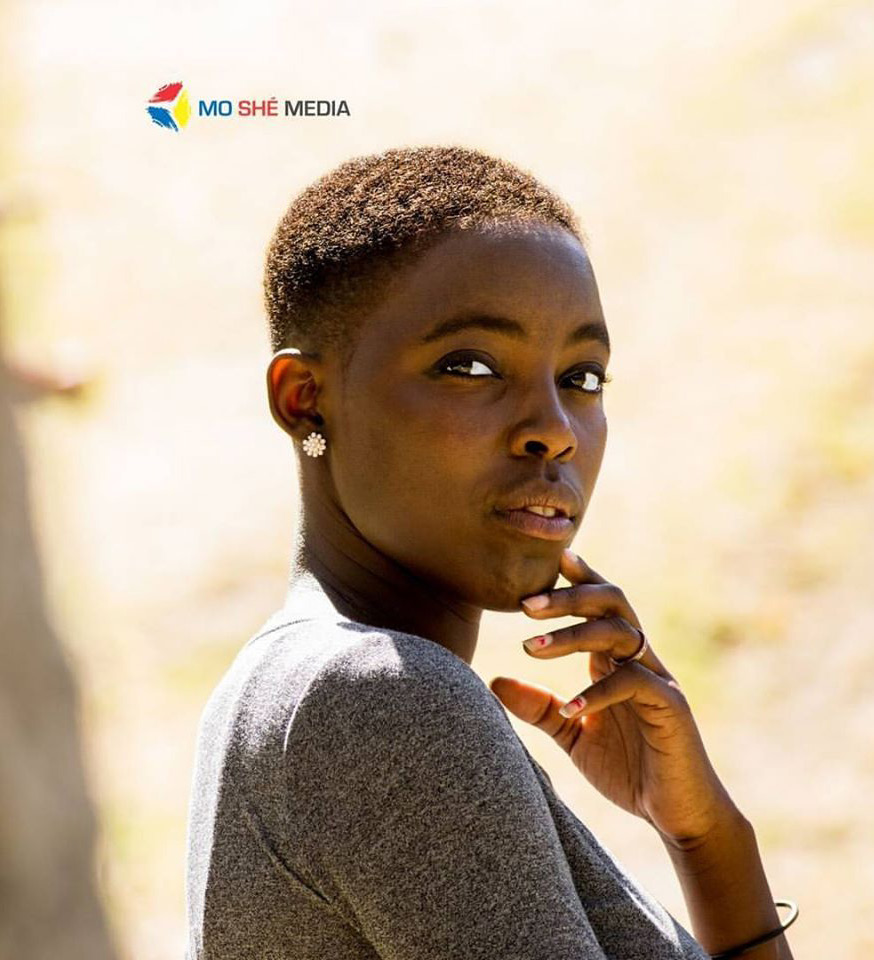

A few days ago, I changed my profile picture to purple, and almost instantly, my inbox filled with questions. People wanted to know what I thought that simple act would change.
One message stood out. A man asked me if I truly believed that changing my profile picture to that colour would somehow make men stop killing women. His tone was dismissive, almost mocking, and my first response was to ask him a question in return. As a man, you clearly see the alarming statistics, you see the rate at which women are dying, and you see the crisis unfolding around us.
Why are you not doing anything about it?
The irony is that this was not the first time I received backlash for speaking out. When the #MeToo movement spread globally and hashtags like #MenAreTrash gained momentum, I wrote a thesis on it. The criticism I received then sounds exactly like the criticism I see now. People are more offended by the language used to highlight the crisis than the crisis itself. Yet today, more than ever, this conversation needs to happen. Not quietly, not politely, and definitely not in the safe spaces where only women listen to each other.
It is a national issue, and the entire country should be involved because what we are facing is a crisis of men killing women. Gender violence cases are overwhelming, horrifying, and deeply painful. None of the women who died deserved that fate. None of their families deserved the trauma they now carry, and none of these stories should become normal to us.
For years, society has repeated the idea that the boy child is neglected. That no one cares for him. He grew up without support, guidance, or emotional safety. However, I believe it is time to challenge that narrative. If men feel unseen, unprotected, or unheard, then men must also take responsibility for changing that.
You cannot hold on to the belief that society does not care for men while also refusing to create spaces where men speak honestly, seek help, or face their internal battles. Who do men expect to start the conversation about going to therapy? Who must open the door for accountability? Women cannot be expected to carry this burden indefinitely.
There is also a troubling pattern in how we frame solutions. Every year, new men’s conferences pop up. Men gather in expensive venues, dressed in their best suits, and the conversations often revolve around surface level topics.
Many of these events focus on materialism and dating dynamics rather than addressing the deeper issues of violence, anger, mental health, and socialisation. We avoid the uncomfortable truths and raw honesty that meaningful change requires. Meanwhile, the communities most affected by GBV often live in informal settlements, small towns, and rural areas. The reality is that many of the young men who need emotional support, mentorship, and healing are nowhere near these polished conferences.
How long will we continue like this? How many more excuses will we create for inaction? How many more vigils must we hold for women whose names we should never have had to learn in this context? But most importantly, how do men expect women to start the very conversations that men themselves are hesitant to have? We cannot carry the additional work of teaching men how not to harm us because we are already fighting to stay alive, and every day we are navigating fear, caution, and survival.
If changing a profile picture sparks one conversation, challenges one perspective, or reminds one man that he has a role to play, then maybe that simple act is not as meaningless as some think. The real question is not what colour changes. The real question is why so many men continue to do nothing while women continue to die.
*Frieda Mukufa’s lifestyle section in the New Era concentrates on women-related issues and parenting. She specialises in editing research proposals, proofreading and content creation. – etuholefrieda@ gmail.com