

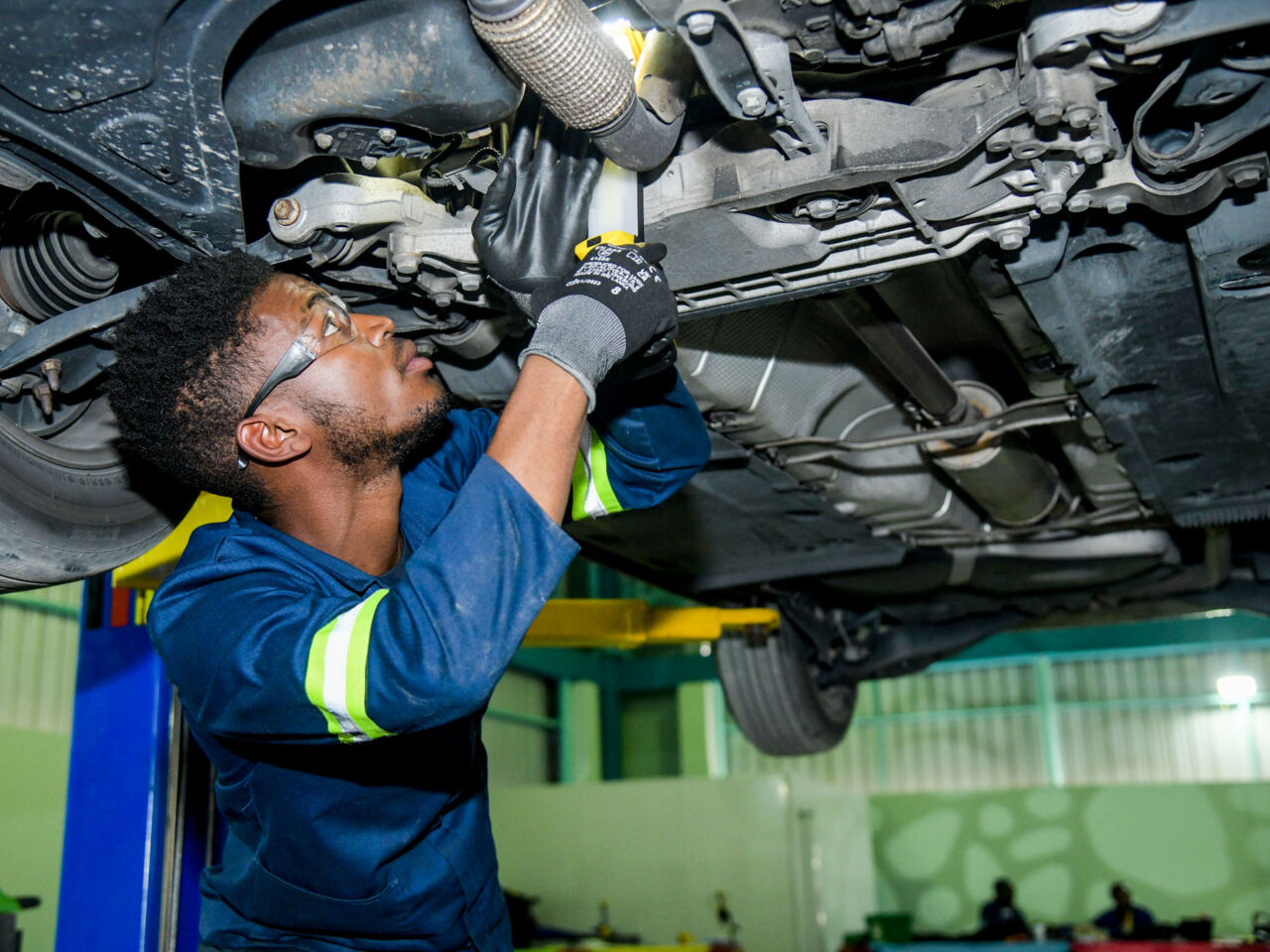

Deputy Minister of Education, Innovation, Youth, Sport, Arts and Culture in Namibia Dino Ballotti yesterday launched the Namibia State of Skills Demand and Supply report.
The report presents a comprehensive assessment of the current state of skills supply and demand in Namibia, providing crucial evidence base for policymakers, educators and industry stakeholders. The report is a collaboration between the Namibia Investment Promotion Development Board (NIPDB) and other stakeholders.
“This report emerges from rigorous analysis and close collaboration among government agencies, industry experts, academia and international partners.
“It provides us with a clear-eyed view of a national labour market, characterised by a harsh reality: a structural mismatch between the skills our people currently possess and those demanded by a rapidly evolving economy. “With an unemployment rate of 36.9% and youth unemployment alarmingly at 44.4%, we face a formidable challenge that, paradoxically, coexists with wide reports of critical skills shortages in sectors vital for Namibia’s socio-economic growth,” said Ballotti.According to the report, in recent years, skills development has become a priority among developed and developing countries alike. Having a skilled workforce has been recognised as paramount to boosting competitiveness in an increasingly global and interdependent economic environment, fostering innovation and business creation as well as increasing productivity.
“Individuals with the right skills and knowledge are more likely to find employment, raise incomes and improve standards of living. A skilled workforce is the bedrock of a thriving economy. Recognising this, Namibia has prioritised skills development to enhance competitiveness, foster innovation and drive sustainable economic growth,” the report stated. The report delves into the multifaceted factors that shape both the supply and demand sides of the skills equation in Namibia.
On the supply side, we analyse demographic trends, including population growth, globalisation, technology, production structure and economic growth as well as their impact on the availability of skills across different regions.
“We examine the performance and responsiveness of the education and training system, encompassing basic education, technical and vocational education and training (TVET) and higher education, in equipping individuals with the skills demanded by the labour market,” the report notes. The report further provides an analysis of how the skills supply impacts micro, small and medium enterprises.
On the demand side, it explores the evolving needs of key industries, employment and occupations. This Namibia State of Skills Demand and Supply (NSSDS) report is presented as an essential, evidence-based partner to the national development agenda, strategically aligned with the Swapo Party Manifesto Implementation Plan (SMIP) and the forthcoming National Development Plan 6 (NDP6). These national blueprints articulate an ambitious and necessary vision for mass job creation, industrialisation and economic diversification, targeting key sectors such as green hydrogen, oil and gas, agriculture and mass housing.
The NSSDS report provides the critical human capital analysis required to realise that vision.
“The report directly supports the ‘Youth Empowerment’ pillar of the SMIP by first quantifying the scale of the challenge, including a 44.4% youth unemployment rate and then identifying the precise skills mismatches between the critical technicians, artisans and engineers demanded by the SMIP’s projects and the current output of our national training institutions. Therefore, this report serves as the ‘supply-side’ roadmap, offering the data-driven recommendations necessary to align our human capital development with our national economic goals and ensure that our workforce is ready to build and sustain a prosperous, industrialised Namibia,” the report states. -pmukokobi@nepc.com.na