


Ali Negumbo
Edward Tenete
Mental health has increasingly become a public health challenge in Namibia, with rising suicide cases shaking communities and exposing deep social and emotional vulnerabilities, particularly among the youth.
With university students among those affected, concerns are mounting over the availability of support systems in higher education and the urgent need to safeguard the wellbeing of the country’s future leaders.
Over the past few years, student suicides have cast a dark shadow across major campuses.
In 2024, the body of a 20-year-old University of Namibia (Unam) student was found hanging in his hostel room at the institution’s main campus in Windhoek.
In mid-September this year, a Welwitchia University nursing student also died in a suspected suicide after she allegedly failed the Objective Structured Clinical Examinations (OSCE).
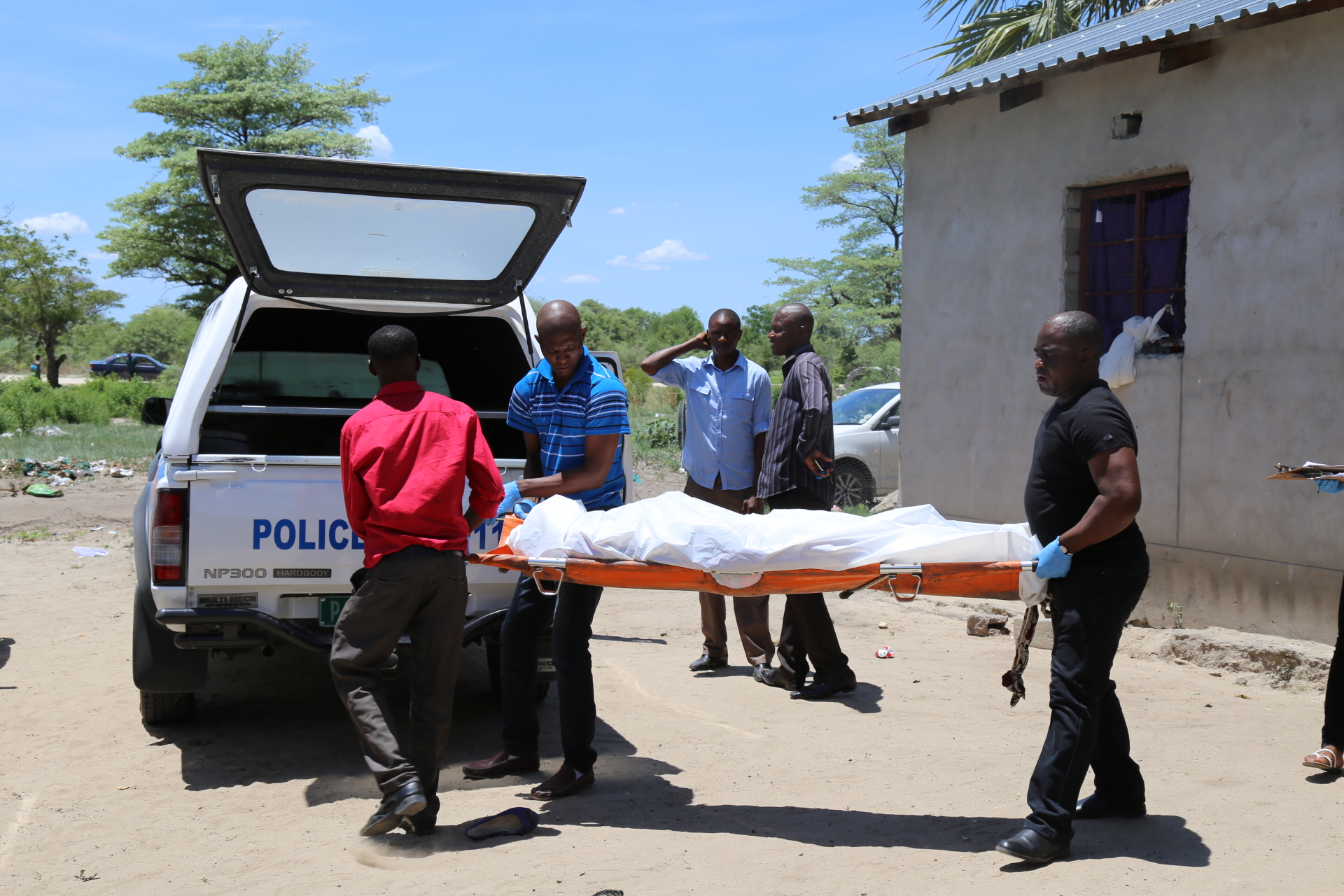
In Tsumeb, the Namibian Police registered an inquest after a student was found dead in her room, alongside a suicide note, in November this year.
These losses represent only a fraction of the tragedies unfolding among young people who are unable to cope with mounting academic, social, and personal pressures.
Against this backdrop, institutions of higher learning have begun strengthening their mental health structures, aiming to create safer, more responsive environments for students.
At the Namibia University of Science and Technology (NUST), mental health support is administered by a dedicated social worker within the department of student services.
The university provides free individual and group counselling sessions that address issues such as anxiety, depression, and stress. Services are accessible on weekdays at the main campus, with walk-ins allowed and appointments available via email or SMS.
NUST further operates an Early Alert System, where designated faculty members refer students to a social worker for immediate support.
NUST’s public relations officer, Cindy van Wyk, told Nampa the university hosts workshops throughout the academic year on topics such as stress management, self-esteem, addiction, and sexual harassment.
She said the highlight is the Mental Health Week held annually in October, which is organised to enhance awareness and engagement.
Van Wyk added that NUST plans to improve its mental wellness presentations during the 2026 new student orientation and extend the peer educator programme to satellite campuses.
The International University of Management (IUM) has adopted a similar approach. With a network of student counsellors across its campuses and a 24/7 student app, the university offers personal, academic, and career counselling to help learners navigate emotional and psychological challenges that may hinder their academic performance.
IUM annually trains peer counsellors, enabling students to support one another and strengthen resilience across campuses. Its psychosocial services team, comprising trained staff and faculty, is equipped to identify and respond to mental health concerns, ensuring timely interventions.
It complements these initiatives with surveys and studies on suicide, gender-based violence, and stigma, using the outcomes to guide programming and policy development.
IUM Pro Vice Chancellor for Administration and Management, Hendrina Udjombala, noted that the university aims to expand referral networks, strengthen staff and student-leader capacity, and raise awareness about suicide prevention, particularly among male students.
IUM and NUST recognise the importance of peer support through Unesco’s O3+ programme, which promotes mental health awareness, HIV prevention, gender-based violence prevention and peer-to-peer education, both indicated.
Both institutions have also established crisis management protocols. IUM offers walk-in crisis hours, urgent appointments and referrals to external services, while NUST has partnered with the Government Mental Health Unit at Windhoek Central Hospital for specialised care.
With collaborative support from Unesco’s, UNFPA, WHO, Nappa and the Philippi Trust, both universities are contributing to a broader national effort to strengthen mental health support within Namibia’s higher education sector.
The urgency of these initiatives is underscored by alarming national statistics. Recent local media reports indicate that Namibia has one of the highest suicide rates in Africa. During the 2024/2025 period, over 100 000 mental health cases and more than 540 suicides were recorded, according to the Ministry of Health and Social Services.
In response to the crisis, Health Minister Dr Esperance Luvindao has tabled the 2025 Mental Health Bill in the National Assembly. Once enacted, the Act will repeal and replace the outdated Mental Health Act of 1973.
Student leaders say that while progress is being made, more must be done. The Students Union of Namibia (SUN)’s secretary for gender and social welfare, Frieda Iimene, acknowledged ongoing efforts, but noted that a lot needs to be done.
“The challenge is that students do not always make full use of the opportunities and services available to them,” she said, adding that measures are put in place, but students do not consistently utilise them fully.
“We call on stakeholders including the government, universities, and civil society to invest in long-term programmes that address not just the symptoms but the root causes of mental health challenges,” Iimene said. She added that it is SUN’s belief that mental health is fundamental to academic success.
In addition, Iimene stressed that effective suicide prevention requires early intervention, accessible counselling, peer support, and eliminating the stigma associated with seeking help.
On his part, Jessy Abraham, the spokesperson for the Namibia National Students Organisation (Nanso), highlighted the severe financial pressures students face, saying it impacts students’ mental health and can impede academic performance and, in some cases, contribute to suicidal behaviour.
“This is precisely why Nanso, through our Resolution 16, advocates for free tertiary education,” Abraham said.
As suicide and mental health cases continue to rise nationwide, he said that Nanso is stepping up its digital outreach.
“Nanso prioritises mental health awareness through comprehensive digital campaigns, treating it as a necessity, not a privilege. We have made a digital suicide prevention kit, addressing the current mental health status among students. And most importantly, educating our constituents on signs and symptoms to assist in analysing oneself or peers,” Abraham said. -Nampa