

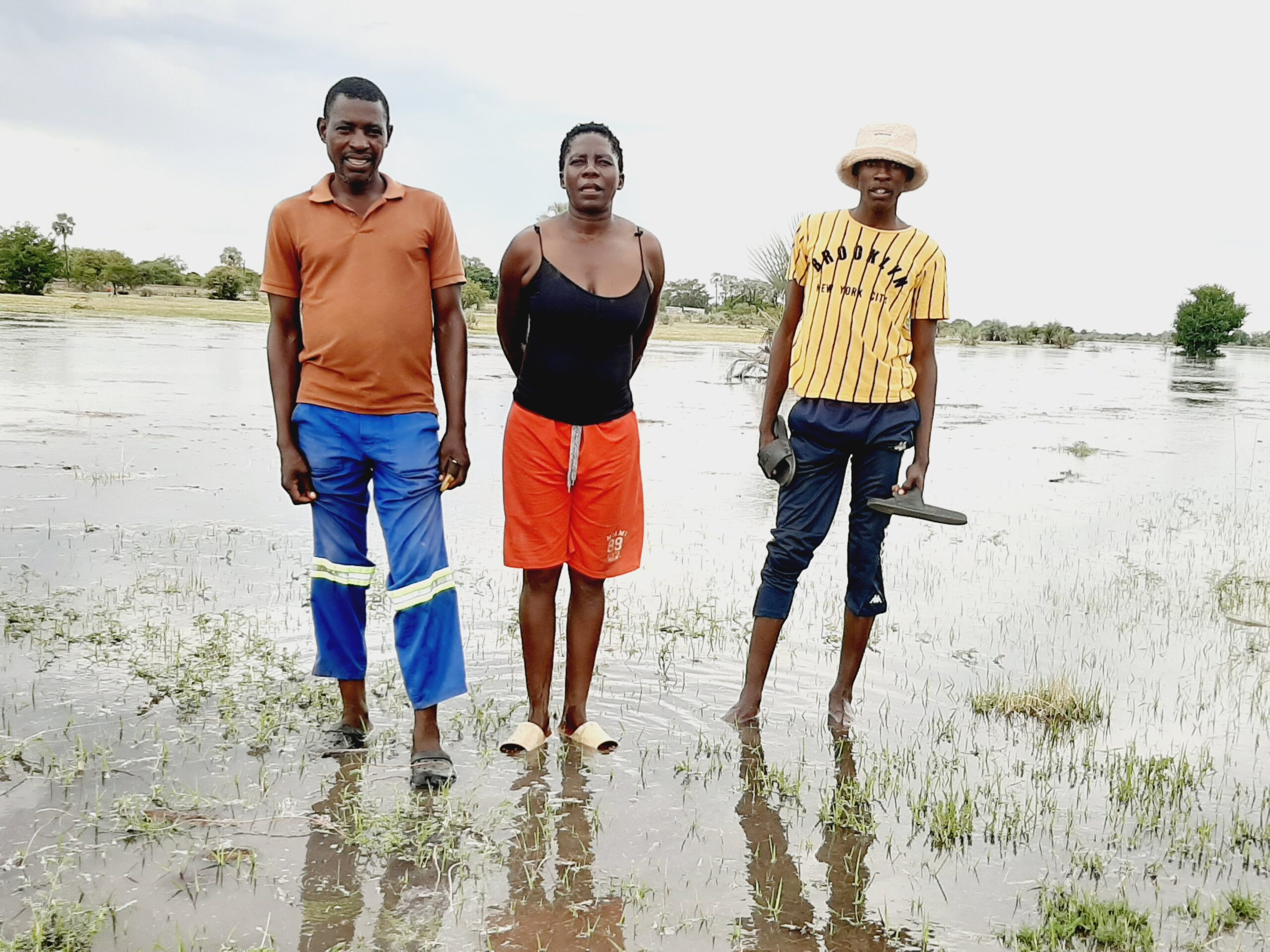

The northern parts of Namibia face a week of continuous thunderstorms, which weather experts said are likely to lead to flooding in several parts of the regions.
According to Odilo Kgobetsi, a senior meteorologist at the Namibia Meteorological Service, the rain that began over the weekend is expected to intensify. “Most northern areas have already received rain, and if it continues like this, flooding is likely,” Kgobetsi said.
Regions such as Oshana, Ohangwena and Omusati are known to be highly prone to floods. When water levels rise, schools usually close, pathways become unsafe, and communities are often relocated to tents for months. Farming activities stop entirely, as fields and grazing land become too wet to use.
Farmers are preparing for mixed outcomes. Sarti Jeremiah, who owns a ploughing tractor, said rain usually boosts her business. “Rain brings customers,” she said. “But if it floods, I cannot work. Muddy fields are risky for my workers and my tractor, she added.”
For residents like Laimi Aron from Ohangwena, the early rains are worrying. Aron said she relocates almost every year due to floods. “Every year I am a victim,” she said. “But this time the rain came too early. We have not even started ploughing.
If we flood now, we won’t know when to begin because the whole land will be full of water, she said.”
Traditional leaders said back in the days, signs of heavy rain were easily predicted even before the forecasts.
Acting Chief Malakia Shoombe of the Uukolonkadhi Traditional Authority explained how people used to predict rain in the past. “When we saw many millipedes or when rats dug many holes in one area, it meant heavy rain was coming,” he said. “Even when the wind blew strongly from the west to the east, it was a sign, he adde.” He encouraged communities to be careful and help each other. “People must hold hands when crossing water. Those with fields that can be used as safe shortcuts should allow others to pass,” he added.
From the Oukwanyama Traditional Authority, Chief Ephraim Weyulu said certain trees were also used as a signal for heavy rainfall back in the days. “If marula or palm trees produce many fruits early, it means a rainy season is coming,” he said. He added that water-loving birds, like flamingos, appearing frequently are also a sign that floods may follow.
With thunderstorms expected to continue, northern communities are being urged to stay cautious, stay united and prepare for what could become an early flood season.