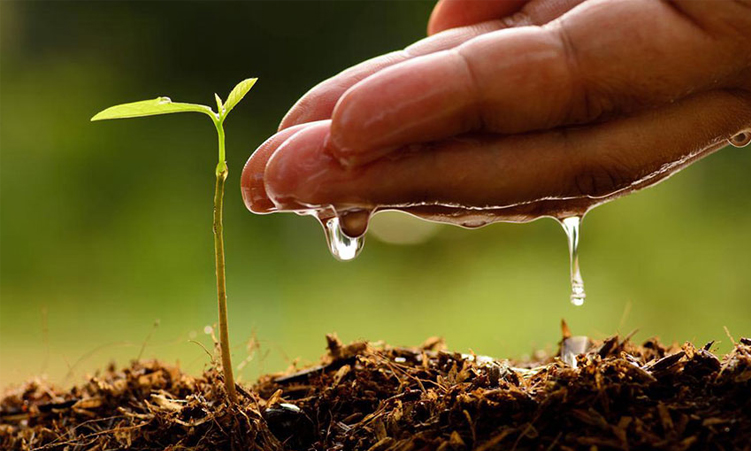

A good rainy season should be perceived as one that starts on time as anticipated, is well distributed throughout the season, and ultimately rehydrates the soil, refills water sources, and revegetates the rangeland.
However, of late, rainfall patterns have been conspicuously erratic, and their effects can be concerning. Although rainfall brings relief to farmers, it is also associated with several adverse conditions that affect the farm environment, livestock, and crops. The conditions include lightning strikes, floods, mud traps, pests, and disease outbreaks. These conditions pose a significant threat to livestock health, nutrition, and their general wellbeing, consequently compromising their productive performance and survival.
Therefore, farmers need to be wary of these threats posed by rainfall and find ways to mitigate their consequences. Pest infestations have been a common threat in Namibia. For example, the outbreak of army worms in recent years in the northern regions, and the outbreak of locusts in the southern regions had a devastating impact on productivity and livelihoods.
Crop farmers lost their yields to worms, and livestock farmers in the south lost grazing materials (grass) to locusts. Moreover, livestock diseases during rainfall are highly prevalent, and the common ones that farmers should look out for include footrot, sweating sickness, gall sickness, and lumpy skin disease, amongst others.
Footrot is a bacterial infection of the hoof, characterised by lameness and a smelly wound on the hoof.
The predisposing factors include dampness or wet soils. Footrot can be prevented by keeping animals out of damp kraals or surfaces.
The treatments include cleaning and disinfecting the wound, use of footbaths (e.g. copper sulphate solution) at kraals, and injection with common antibiotics (e.g. Disulfox, Terramycin etc.) when necessary.
Fur thermore, wi th the prevailing moist environment, the tick population is on the rise and thus, the prevalence of tick-borne diseases such as “sweating sickness” and “gall sickness” should be expected. Sweating sickness mainly affects young calves, and the symptoms, amongst others, include hyperthermia (high body temperature), anorexia (loss of appetite), sweating, hair loss, sensitivity, and pain.
Gall sickness (Anaplasmosis) is characterised by fever and anaemia (loss of blood). It is important to note that these diseases are deadly if left untreated. Moreover, they can be prevented by controlling tick infestations by means of applying common anti-parasitic remedies on animals, such as Deadline, Eliminate, Delta-pour, and many others that can be applied along the backline of the animal.
Other remedies include dipping remedies that should be mixed with water, for example, Coperzon30, Agra dip-cyp, etc. In addition, humans are also at risk of tick bites as some ticks carry the Congo fever virus. Congo fever is a deadly viral disease transmitted to humans by a tick bite. It is worth noting that Congo Fever cases have been reported in the country in recent years.
Therefore, everyone on the farm or handling animals should always take precautionary measures and seek immediate assistance from health professionals after a tick bite.
High alert
Another disease that is gaining prevalence during the rainy season in the country is Lumpy Skin Disease (LSD). LSD is a viral disease that affects cattle and transmitted by biting insects such as flies, ticks, and mosquitoes amongst others.
The predisposing factor is a wet environment that influences the proliferation of insect populations. Animals are vulnerable because they are found loafing around water holes and other breeding grounds for insects such as mosquitoes. LSD is, however, preventable with an annual vaccine readily available at veterinary medicine shops.
It is also advisable that farmers keep their farming environments clean and safe for themselves and their animals, and consistently observe and report abnormal livestock conditions or behaviours to the nearest veterinary office or livestock health experts.
Lastly, farmers should note that each rainfall season is unique in terms of commencement, distribution, intensity and associated risks.
Thus, farmers need to adopt appropriate management strategies to circumvent possible adverse conditions.
*Erastus Ngaruka is Agribank’s technical advisor for livestock & rangeland management.