

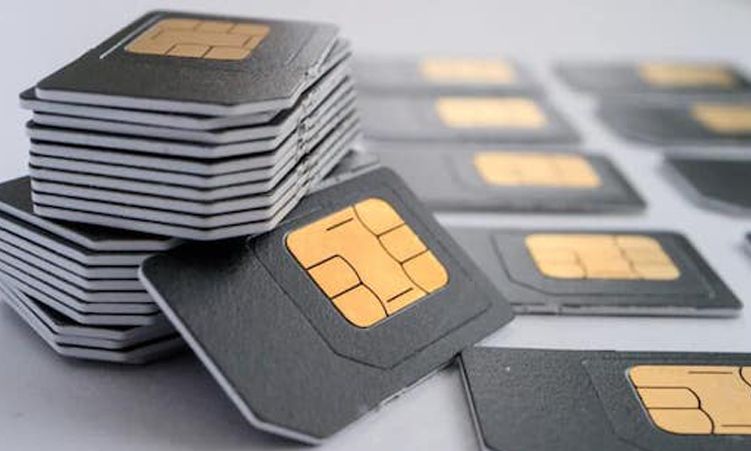

The total number of active SIM cards in Namibia increased by 3% between July and September 2025, indicating renewed growth after a stable period in the second quarter.
The increase was mainly driven by prepaid SIM cards, which rose by 3%. Postpaid subscriptions grew more slowly, increasing by only 1%.
Mobile internet use also continued to grow. Mobile broadband usage went up by 6% during the quarter. At the same time, broadband subscriptions using dongles and routers increased sharply by 30%.
Although this growth came from a small base, it suggests renewed interest in fixed mobile wireless internet options.
According to Mufaro Nesongano, Executive for Communication and Consumer Relations at the Communications Regulatory Authority of Namibia (CRAN), these figures indicate a shift from the stability observed in Quarter 2.
CRAN released these findings in its Quarterly Statistics Bulletin for the period July to September 2025. The bulletin provides a detailed review of performance and trends in Namibia’s telecommunications sector.
The report also covers developments in cybersecurity, broadcasting, and postal services. Key areas analysed include internet access through SIM cards, fixed internet subscriptions, mobile traffic volumes, revenue and investment in the ICT sector, cyber threats and vulnerabilities, pay-TV subscriptions, and the use of postal boxes.
According to CRAN, the bulletin helps track market changes and supports informed decision-making in the communications industry.
“In the third quarter of 2025, total mobile outgoing minutes increased by 8%, marking the second consecutive quarter of recovery following a sharp decline in Q1. SMS traffic increased marginally by 1%, showing early signs of stabilisation. Mobile data usage grew significantly, driven largely by a surge in consumption from Paratus Telecommunications Limited following the launch of their new LTE network and associated PAGE 6 packages in August 2025,” added Nesongano.
Moreover, ICT revenue rose 1% in Q3, maintaining the sector’s steady growth trajectory. Operating expenses declined slightly, contributing to an improved cost revenue balance.
Investments in the telecommunications sector also increased slightly, recovering from the notable decline recorded in the previous quarter.
Although still below Q1 2025 levels, these investments reflect ongoing network expansion efforts by operators such as MTC, Telecom Namibia, and Paratus, particularly in fibre deployment and software upgrades. In the cybersecurity domain, reported cyber-threat events declined significantly by approximately 53% in Q3 2025.
However, exposure levels and underlying vulnerabilities remained largely unchanged, suggesting that the reduction stems more from shifts in scanning activity than a true decrease in cyber risk. The broadcasting sector recorded an average of a 3.5% increase in pay-TV subscriptions.
DSTV subscriptions grew 4%, potentially driven by ongoing sports programming such as the English Premier League, while GoTV subscriptions declined 3%, likely due to competition from over-the-top (OTT) streaming platforms.
Postal utilisation remained stable, with postbox occupancy at 48% and private bag usage at 35%. While growth was unchanged from the previous quarter, the stability indicates consistent demand despite a broader shift toward digital communication.
“The rural post office network also remained unchanged, with 83% of post offices situated in rural areas, continuing to provide universal connectivity of vital communication and parcel services in underserved communities,” he said.