


Adolf Kaure
The Ministry of Health and Social Services (MoHSS) will be supported by Germany’s Robert Koch Institute (RKI) in strengthening Namibia’s response to recent infectious disease outbreaks of Mpox and Crimean-Congo Hemorrhagic Fever (CCHF).
As part of the collaboration, a team of clinicians from Germany and Namibia has developed a specialised training on the clinical management of both diseases, including infection prevention and control.
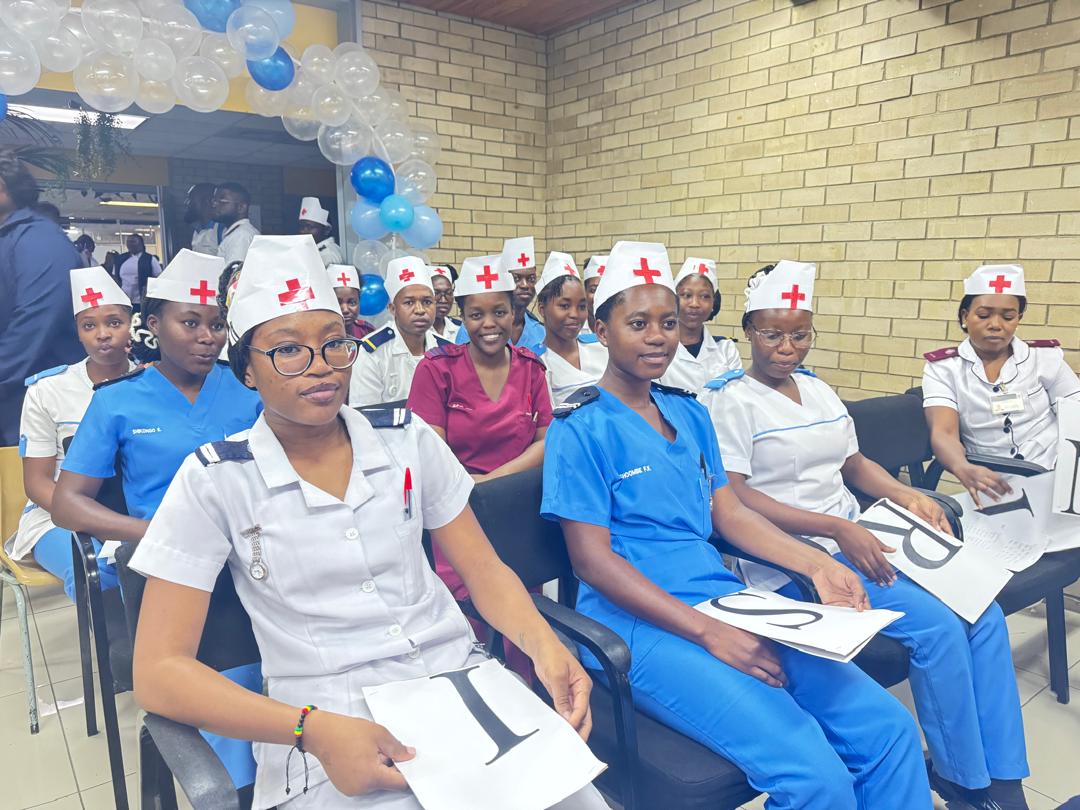
The training, supported by the RKI, recently took place in Windhoek. Medical officers and registered nurses from central and regional hospitals are participating to improve early detection, case management, and overall national preparedness.
The initiative is jointly funded by the MoHSS and the German ministry of health through the Global Health Protection Programme (GHPP).
RKI’s public health expert, Dr Christian Winter, emphasised the urgency of strengthening clinical capacity.
“It is critical to react swiftly and decisively to the recent outbreaks such as Mpox and CCHF. The training equips health staff with the skills to assess symptoms early and contain potential spread. I am confident that the Namibian public health system will become more resilient through these efforts,” said Winter.
Mpox case management deputy lead, Dr Martha Josef, also highlighted the importance of shared expertise.
“Collaborative training is essential in effectively responding to disease outbreaks. The Training of Trainers approach helps transfer key response skills and empowers healthcare workers across all regions,” said Josef.
Namibia declared its first Mpox outbreak on 18 October 2025, with two laboratory-confirmed cases and one probable case recorded in Swakopmund by December.
The country also reported a fatal case of CCHF on 22 November 2025, adding to eight cases detected over the past decade.
The partnership between MoHSS and RKI dates back to 2020 through a formal agreement designed to strengthen outbreak preparedness.
STAKOB, Germany’s network of competence centres for high-consequence infectious diseases, provided technical expertise to support this training.