


In 2025, Namibia’s economy saw significant changes that affected households, businesses, and investors. Inside Business closely followed these developments, focusing on interest rates, inflation, and real-world economic impacts.
The Bank of Namibia (BoN) oversees the repo rate, which is used to manage inflation and promote economic growth. In 2025, Namibia’s energy sector is undergoing significant transformations, with green hydrogen and oil and gas at the forefront. These sectors present opportunities for employment, investment, and overall economic development.
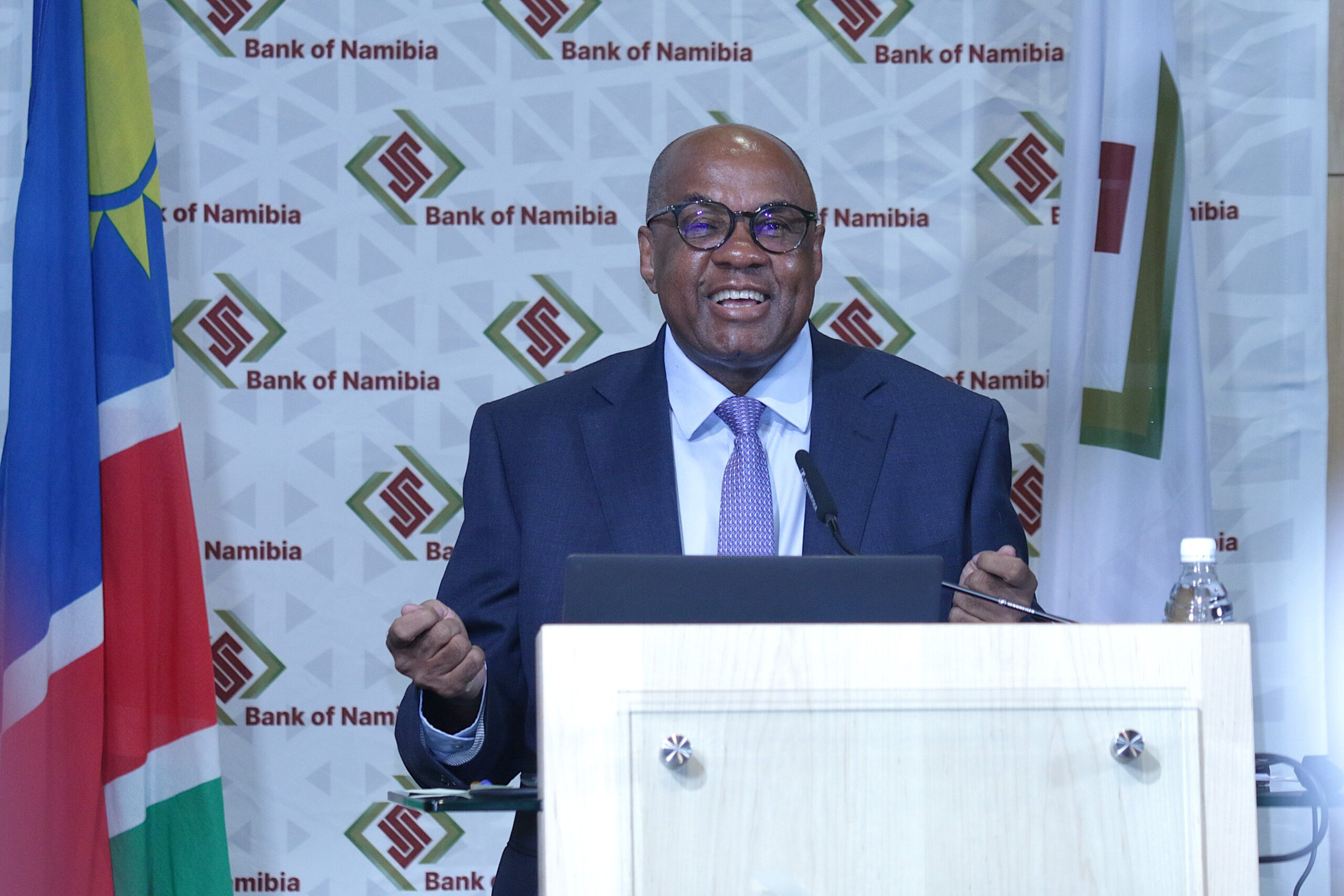
In October, the Ministry of Finance’s Ericah Shafundah and Bank of Namibia (BoN) Governor Johannes !Gawaxab announced that Namibia had successfully redeemed its second eurobond, valued at US$750 million (approximately N$13.9 billion). The bond represents the largest single debt maturity in the country’s history.
The African Development Bank Group (AfDB) has approved an allocation of N$30.3 billion (US$1.78 billion) for Namibia under its newly adopted Country Strategy Paper for 2025–2030, aimed at strengthening infrastructure, human capital, and economic diversification.
The Government of Namibia has welcomed the approval of the Namibia Country Strategy Paper (CSP) for the period 2025 to 2030 by the board of directors of the African Development Bank (AfDB).
The central bank announced that !Gawaxab will leave office on 31 December 2025 after more than five years at the helm of the central bank.
Inflation
At the start of the year, falling inflation gave hope that interest rates might be reduced. In December 2024, inflation was 3.4% year-on-year. Experts expected the Monetary Policy Committee (MPC) to lower the repo rate by 0.25 percentage points, which would benefit households and businesses.
During these months, inflation was largely under control, particularly for food, housing, and utilities, though some core prices remained elevated. People were watching closely for any signs of policy changes.
Repo rate
From April to August, the BoN kept the repo rate at 6.75%. This cautious approach was aimed at protecting the Namibian dollar and supporting the economy. Some economists expected an earlier rate cut to encourage borrowing and investment, but the central bank chose stability.
By August, headline inflation had dropped to 3.2%, easing price pressures. But costs for essentials such as food and housing remained high in rural and northern areas. Inside Business highlighted how inflation affected different communities in different ways. In October, the BoN lowered the repo rate to 6.50%, the first cut of the year. This move aimed to lower borrowing costs and boost spending and investment, especially as sectors such as manufacturing and agriculture struggled. Although inflation was low, the central bank eased rates carefully to avoid prices rising too quickly again.
Inflation
A critical story in 2025 was that inflation affected people unevenly. In some areas outside Windhoek, prices stayed high, showing that national averages don’t always reflect local experiences. Inside Business reported on how households managed rising costs for food, electricity, and transportation.
By December, the BoN kept the repo rate at 6.50%, showing a careful approach into 2026. Lower borrowing costs could benefit households and businesses, but weak credit uptake and regional price disparities remain challenges.
Emerging energy sector
Green hydrogen is making steady progress. In 2025, Namibia opened its first commercial green hydrogen plant at Walvis Bay. The plant uses solar power to produce hydrogen, which can be used as fuel and in industry. The facility also includes a Hydrogen Academy to train Namibians in this new technology, helping prepare the workforce for a growing industry.
President Netumbo Nandi-Ndaitwah inaugurated the HyIron Oshivela Green Hydrogen Plant near Arandis in the Erongo Region – the first facility in Southern Africa to use green hydrogen in processing iron ore into direct reduced iron (DRI).
Looking ahead, plans are underway for a N$50 billion green hydrogen and ammonia plant in Arandis. The project, backed by local and international investors, aims to produce large amounts of hydrogen and ammonia for export and is expected to create many jobs. However, the sector has faced some setbacks. German company RWE withdrew from a US$10 billion green ammonia project, slowing Namibia’s ambitions to become a global exporter of hydrogen products.
At the same time, community and environmental concerns have emerged around some project sites, as locals worry about the impact of large industrial facilities. Pilot projects are also showing how green hydrogen can support local communities. The Daures Green Hydrogen Village uses hydrogen to produce low-carbon fertilizer, which could help farmers reduce costs and increase productivity. Initiatives like these highlight the potential benefits of green hydrogen beyond big industrial plants.
Meanwhile, Namibia’s oil and gas sector continues to attract attention from international companies. Offshore exploration in the Orange Basin is gaining momentum, with Shell and QatarEnergy planning new drilling campaigns.
These efforts could enable Namibia to produce oil by 2030. Discoveries such as the Venus field have also drawn foreign investment, signaling confidence in the country’s resources.
To support investors, former Energy Minister Tom Alweendo launched a consultancy to help businesses navigate the oil and gas sector in Namibia.
Experts say that Namibia faces a balancing act between new energy technologies and traditional resources. Green hydrogen offers clean energy, jobs, and export potential, but it requires sustained investment and skilled labor. Oil and gas promise long-term revenue and infrastructure development, but must address global climate concerns. Clear policies, long-term agreements, and workforce training will be essential if Namibia is to benefit from both sectors.
-pmukokobi@nepc.co.na