

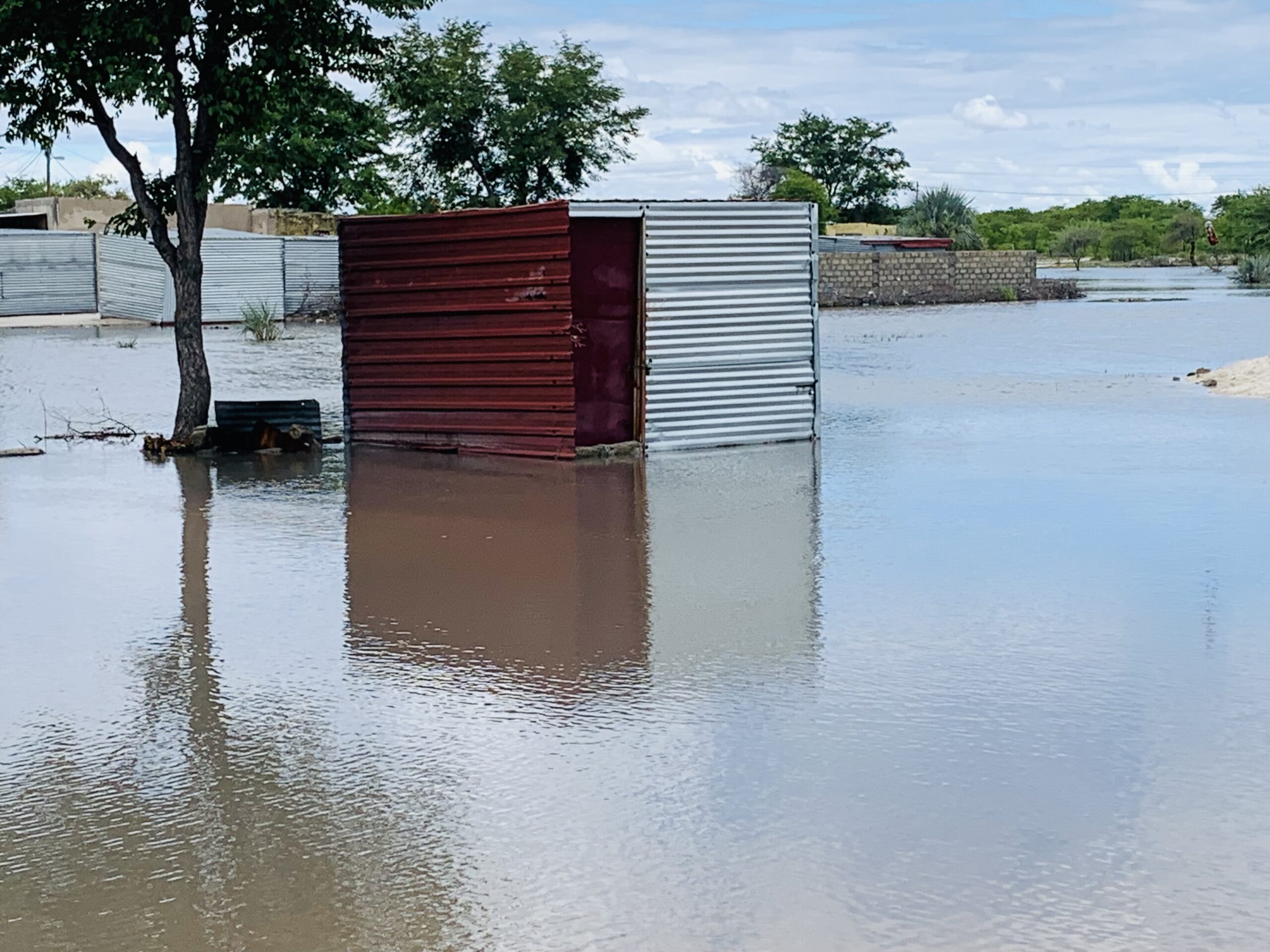

ONGWEDIVA – Despite the absence of heavy rainfall in recent days, meteorologists say January remains the peak month for floods, urging residents in northern Namibia not to lower their guard.
The warning was issued by Vilho Ndeunyema, a weather forecaster, following rainfall recorded in several parts of the country, particularly in the northern and north-eastern regions. He said although the situation currently appears quiet, water level have already begun rising in some areas since December.
“According to weather forecasts, flooding is still expected. It may not be extreme, but it will be normal flooding as experienced in previous years. People should remain alert,” Ndeunyema said.
He said rainfall patterns may differ from place to place, but low-lying and densely populated areas remain at risk, especially if the rain intensify later in the month.
Flooding has already been observed in some northern areas, including parts of Kunene, an early sign that water movement across the region has begun.
In many flood-prone communities, residents are quietly preparing. Some families have already moved their livestock to higher ground, fearing that sudden water inflow could trap animals. Others have started ploughing early, hoping to make use of moisture once the floodwater settle.
For farmers, the flood bring mixed emotions and fear of losing homes and crops but also hope.
“Once the water recede, grazing areas often improve, allowing livestock to regain strength and crops to flourish,” said Rachel Amon, a community farmer.
However, constituencies such as Ohangwena remain highly vulnerable, particularly villages and crop fields near seasonal earth dams and ponds within the constituency’s areas. In these areas, floods often cut off roads, isolate households, and submerge homes built on low ground.
“During severe flooding, many residents are forced to leave behind their belongings and seek temporary shelter at government relocation centres, sometimes for weeks. For families, this displacement disrupts daily life, schooling and livelihoods,” said Laimi Nghaamwa, a community member.
Ndeunyema urged residents to take safety warnings seriously, especially when floodwater begin to rise.
“People must avoid crossing flooded areas, even if the water looks shallow. Strong currents can easily sweep a person away,” he cautioned.
He also warned parents to keep children away from floodwater, noting that water level can rise suddenly in open areas, streams, and roads, posing danger.
“All road users are advised to use designated routes. If a road is flooded, people should wait until water level drop instead of taking shortcuts,” he said.
As January progresses, weather experts continue to monitor conditions closely, stressing that preparedness, not panic, is key.