

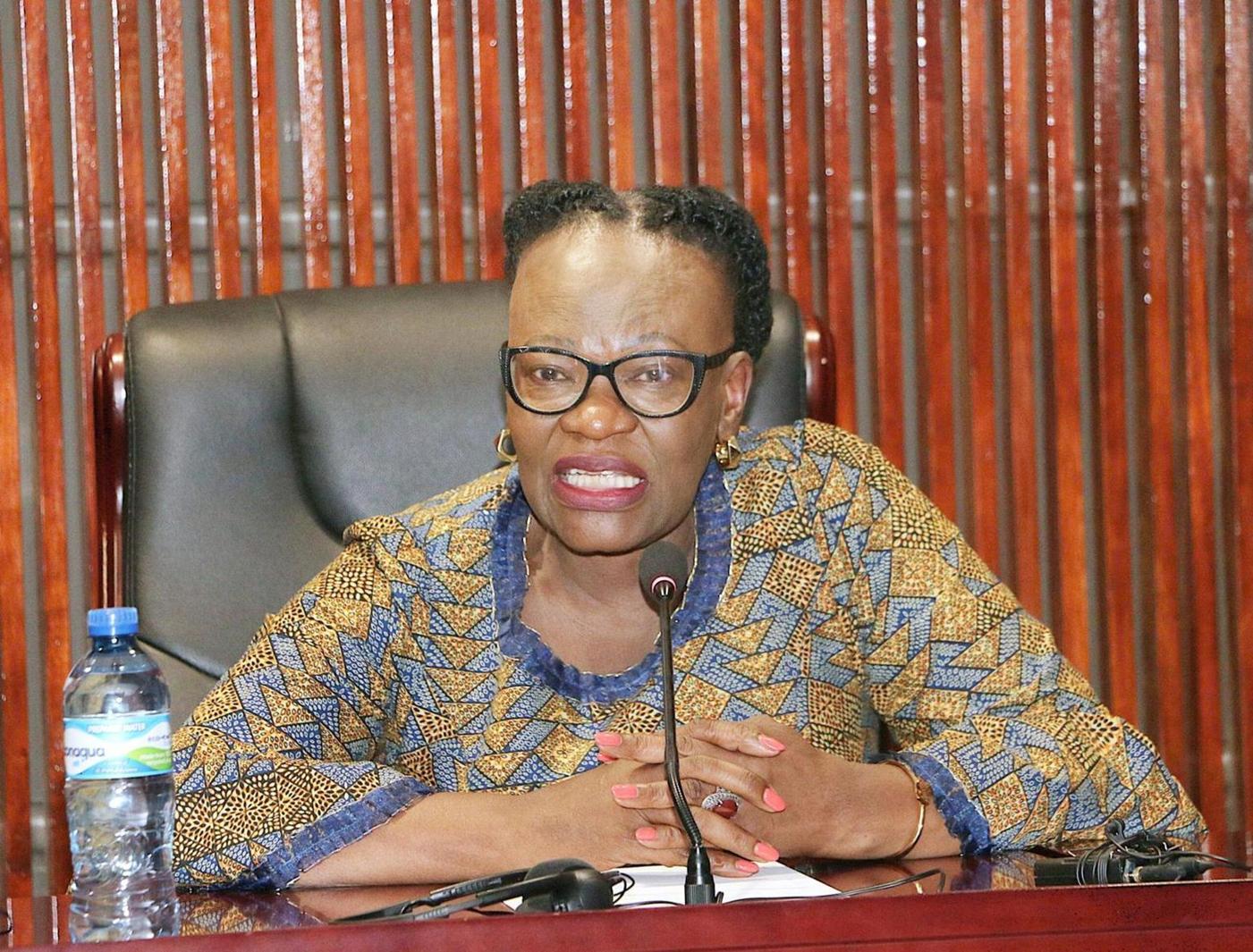

International Relations and Coorperation Minister Selma Ashipala-Musavyi has reiterated that Namibia’s fight for restorative justice and just compensation from Germany for crimes committed during the 1904/08 Ovaherero and Nama genocide is far from over.
Ashipala-Musavyi, in a wide-ranging interview with the Russian state-owned international news network, stated that bilateral talks between Namibia and Germany are still ongoing and all diplomatic channels remain open, as both governments continue to work towards lasting solutions in redressing the wrongs of the past.
“We are still in the process of negotiating a Joint Declaration, and we have not yet concluded those negotiations. Once that process is finalised, an announcement will be made. And yes, we are demanding that Germany offer a formal apology, and that whole process is still under negotiation. But our hope is to conclude these negotiations as fast as we can so that we move on to other issues of mutual interest,” she said.
The Ovaherero and Nama genocide was a campaign of ethnic extermination by the German colonial government, which is now globally known and recorded as the first genocide of the 20th century.
Over 100 000 Ovaherero and Namas died in the genocide. The first phase of the genocide was characterised by widespread death from starvation and dehydration due to the prevention of the Ovaherero from leaving the Kalahari Desert by German forces.
Once defeated, thousands of Ovahereros and Namas were imprisoned in concentration camps, where the majority died from diseases, abuse and exhaustion.
Reparations
On reparations, Ashipala-Musavyi stated that an apology from Germany will eventually have to be followed by some sort of reparation or an instrument of redress that will help correct the sufferings of the descendants of the victims of the 1904/08 genocide.
“Their suffering [descendants of the victims of the 1904/08 genocide] continues to be felt to this day, and that is in terms of exploitation of their economic resources, lack of proper healthcare, safety and other shortcomings. So, as for reparations, we as Namibia and other African countries are still in the conceptualisation stage of deciding what reparations should look like.”
In 2023, the United Nations’ special rapporteurs criticised both Namibia and Germany for allegedly violating the rights of the Ovaherero and Nama ethnic minorities by excluding them from talks over reparations for colonial crimes against their ancestors.
The UN representatives called on Germany to take full responsibility for all its colonial crimes in Namibia, including for mass murder. Meanwhile, affected communities have expressed their dismay over what they believe are talks that have seemingly hit a stalemate.
As it stands, Germany has offered Namibia 1.1 billion euros (or just over N$18 billion) for developmental projects in seven identified regions as reparations for genocide, which is a far cry from Namibia’s reported demand of N$1.1 trillion.
The latter figure considers loss of life and dispossession of land and displacement. Another issue that does not sit well with affected communities, the Namibian government and opposition parties is that the proposed N$18 billion is to be paid over 30 years.