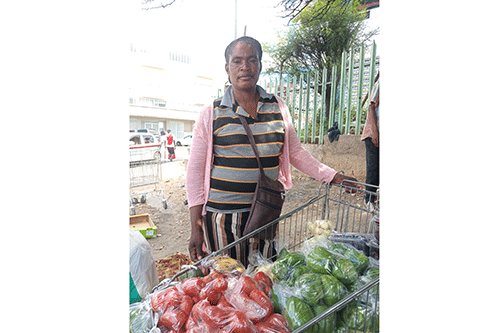

Adolf Kaure
A statutory increase in the minimum wages of domestic workers came into effect on 1 January, bringing the rate to N$15 per hour. This marks an increase of N$3 from the previous N$12 per hour which was mandated as payment to those in this sector.
The move forms part of government’s intention to address the low wages for domestic workers – many of whom have been earning paltry wages and were the whim of their employers who set the wages.
The minimum wage is set to increase again to N$18 per hour from 1 January 2027. Government, through the Ministry of Labour, Industrial Relations and Employment Creation has also reviewed the minimum wages for agricultural and security workers.
Mothers trading as food vendors in Windhoek’s Central Business District (CBD) however expressed mixed feelings about the latest increase in the wages rate.
One of the traders, Adeline Kukuve (45) said she has considered appointing a nanny with domestic worker duties at the beginning of the year to take care of her toddler. However, she was discouraged by the increase in minimum wages for domestic workers.
Kukuve, a mother of five children (aged between 27 and 3) lives in Konangombe informal settlement near Oshitenda. The long distance between Konangombe and the Central Business District makes it challenging for her to bring her three-year-old daughter along to her trading post.
“I wanted a nanny, but the increase of minimum wages turned me off. The number of people working here in Namibia are few, but the income we get as vendors is not enough.
“The unemployment rate in Namibia is high. If our income is low, how can we pay that minimum wage? Here in Namibia we are suffering,” she stressed.
Namibia Statistics Agency’s 2023 Housing and Population Census recorded Namibia’s unemployment rate at 36.9%, a growing concern which has forced many citizens into the informal trading sector as a means of survival and to provide for their children. This provides a conundrum for female traders who end up leaving their toddlers at home without guardians due to the cost of paying for a nanny and increase in pre-school prices.
Food vendor Julia Thomas (42), who has two children welcomed the government’s decision to increase the minimum wage, stating that domestic workers need to adjust to the increase in food prices caused by inflation.
“It is not a bad thing. Increasing the minimum wage for domestic workers is a good thing because things in the shop are also getting more expensive. They will have more money to pay their bills,” said Thomas. According to Thomas, she needs a nanny for her three-year-old child, but cannot afford one.
The agricultural workers are entitled to N$14 per hour from 1 January 2026 and N$18 per hour from 1 January 2027, while security workers are entitled to N$16 per hour from 1 January 2026 and N$18 per hour from 1 January 2027.