

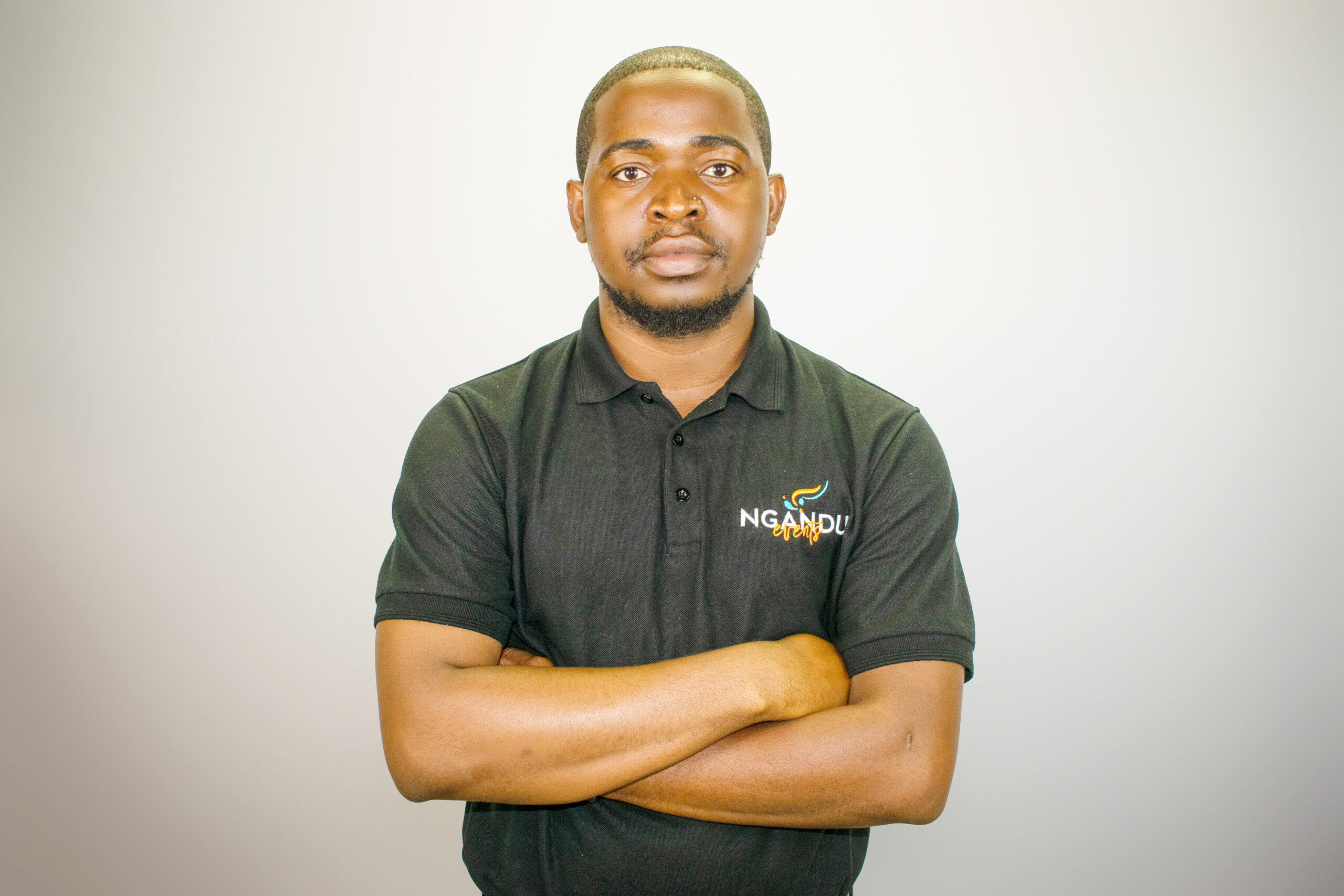

Michael Kayunde
The recent announcement that the Ministry of Education, Innovation, Youth, Sport, Arts and Culture will invest N$10 million to revive the Namibia Annual Music Awards (NAMAs) after a six-year hiatus is, without doubt, good news. Since the awards went silent in 2020 following the withdrawal of its long-time sponsor, MTC, the Namibian music industry has been missing one of its most important cultural and economic pillars.
The absence of the NAMAs was not just the loss of a glamorous night on the entertainment calendar. It negatively affected the broader music business ecosystem. The awards are a complex production with many moving parts; from event management, stage design, sound engineering, lighting, fashion, media coverage and marketing, to hospitality and tourism. For nearly five years, these opportunities for job creation and income generation within the creative economy simply did not exist.
For that reason alone, the revival of the NAMAs is significant. It signals recognition, at least in principle, that arts and culture matter. I commend the ministry for stepping in with public funds to ensure that the awards return. However, appreciation should not prevent honest critique. A N$10 million budget, while substantial on paper, raises legitimate questions about whether it is sufficient to execute the NAMAs at the standard they previously set and at the level Namibian artists deserve.
This concern is inseparable from a long-standing structural issue: Namibia still does not have a standalone ministry dedicated to arts and culture. Instead, the sector is housed within a broader ministry where education, youth and sport understandably dominate budgetary priorities. Arts and culture, by comparison, often feel like an after-thought, a stepchild competing for limited resources, despite their proven social, economic and nation-building value.
A sector that contributes to identity, employment and international representation deserves focused leadership and adequate funding of its own.
That said, the return of the NAMAs offers an opportunity to reset and reimagine. Internationally, music awards have shown how powerful such platforms can be. The NAMAs should stand as a celebration that reflects the pulse of popular music and the tastes of the people. A credible, transparent nomination process, informed by measurable data such as airplay, sales, streaming and public engagement, would help restore trust and relevance. Fan participation, through voting, can further anchor the awards in the lived experience of music consumers.
Beyond trophies, the NAMAs must once again be a stage for world-class performances, meaningful tributes and the elevation of both established and emerging talent.
They should tell the story of Namibian music in all its diversity, while positioning our artists confidently on the continental and global map.
Another important aspect that should be reconsidered with the return of the NAMAs is the structure of its award categories. Before the awards went on hiatus, there were categories that recognised and honoured the work of entertainment journalists and event organisers. At some point, these categories were discontinued, and their absence has been deeply felt. Entertainment journalism plays a critical role in documenting, promoting and preserving our music and cultural narratives, while also holding the industry accountable and visible to the public.
Equally, the events industry has grown significantly in recent years, with the emergence of new festivals, showcases and live music platforms that give artists stages to perform, connect with audiences and sustain their careers.
These platforms do not exist by chance; they are built through vision, investment and hard work. For this reason, the reinstatement of awards for Best Entertainment Journalist and Best Event Organiser is not only justified but necessary, as it acknowledges the broader ecosystem that allows music and musicians to thrive.
Ultimately, my hope is that the NAMAs return not merely as an event, but as a statement: that Namibian music matters, that creative work has value and that celebrating excellence in the arts is not a luxury, but an investment in the country’s cultural and economic future.
*Michael Kayunde is a media personality and an events and productions curator.