


OSHAKATI – Limited opportunities and living conditions are driving a growing number of Namibians from rural areas to towns and cities.
Many people are leaving villages in search of better living conditions, jobs and income-generating opportunities, a trend that is expected to intensify in the coming years.
According to the Ministry of Urban and Rural Development (MURD), the rural–urban population is now roughly 50–50, highlighting the urgency of addressing migration trends while maintaining the rural identity.
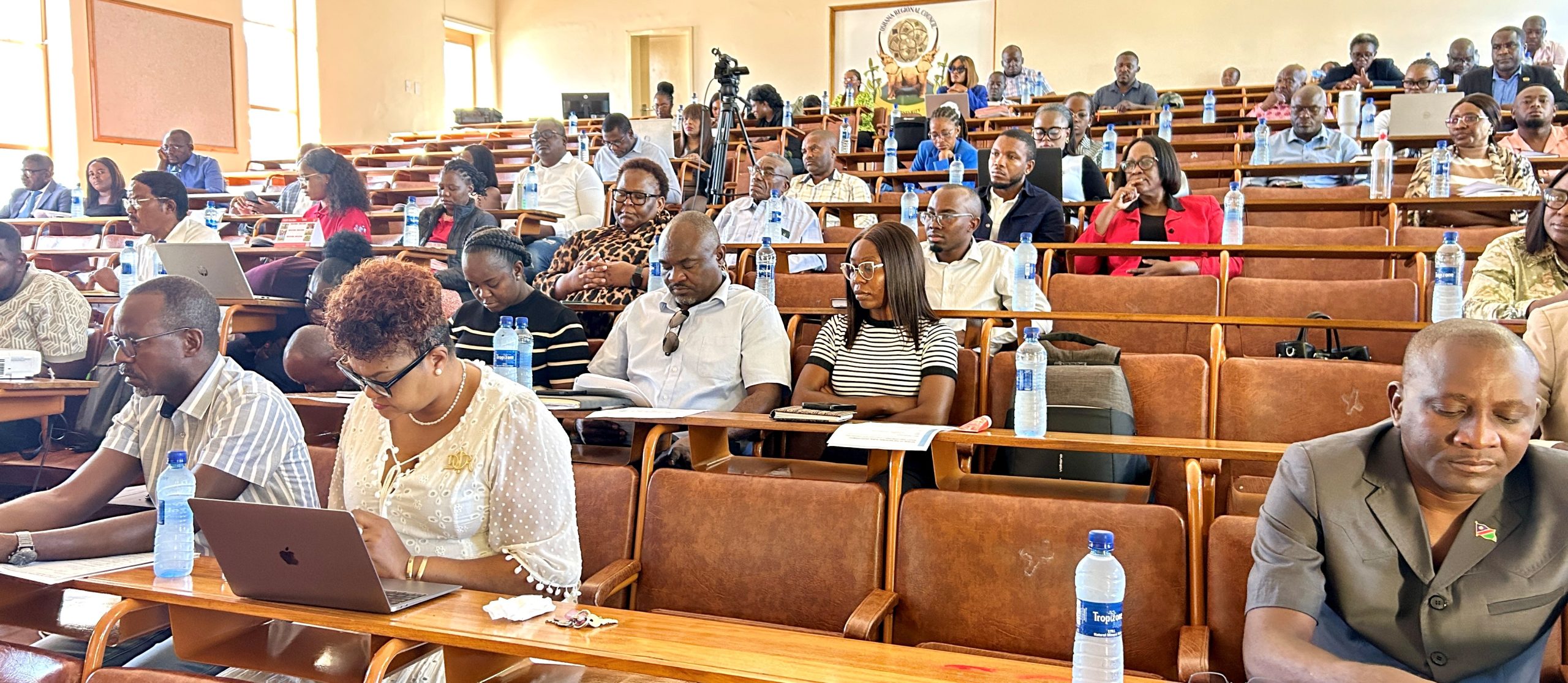
This was said during the regional consultation on the review of the National Rural Development Policy and Strategy at the Oshana Regional Council last week.
Titus Endjala, director of urban and rural development, said migration is largely driven by the harsh conditions people face in villages.
“The harsh living conditions in rural areas and the need to improve livelihoods are the main drivers of rural–urban migration. Many people move to towns in search of jobs and income opportunities,” Endjala said.
He added that the government is intentionally pursuing balanced rural and urban development to ensure that rural areas also receive priority.
To this end, several targeted programmes, including income-generating activities, social infrastructure development, and strengthening local food systems, are being implemented through regional councils.
“The government is now implementing several programmes through the regional councils to encourage people to remain in rural areas. These include support for small-scale farming, improving local markets, and boosting access to social services like water, schools, and clinics,” said Endjala.
Lucresia Frans, MUTD’s chief development planner, said the lack of employment and access to social services in rural areas continues to push people toward towns.
“People are migrating mainly for jobs and social services. But if we create opportunities in rural areas, people can stay. Developing rural areas socio-economically and improving infrastructure will help communities thrive where they are,” she said.
Frans added that if rural communities can provide both employment and basic services, migration to towns can slow down.
“We must create a living environment that offers hope for young people and adults alike. Infrastructure development, job creation, and socio-economic programmes are essential,” she said.
Supporting this view, Martin Shigwedha, a rural development consultant, said youth are leaving because villages do not provide the skills or economic opportunities they need.
“Young people are looking for a future they cannot see in rural areas. If rural communities are developed with schools, clinics, and small businesses, migration could slow down,” Shigwedha said.
Shigwedha further said balancing development across rural and urban areas is critical. “If we want to stop villages from being abandoned, we must invest in them. Jobs, education, and infrastructure are the keys. Without them, people will continue to move to urban areas,” he said.
However, officials warned that rural development must not erase the identity of villages.
Meschtride Mathias, chief regional officer of the Ministry of Information and Communication Technology in the region, stressed the importance of developing rural areas without turning them into fully urbanised settlements.
Traditional leaders also raised concerns over land.
Stakeholders agreed that improving rural infrastructure, supporting local economic activities, and strengthening agriculture are key to reducing rural–urban migration while allowing communities to thrive where they are.