


Monika Amunyela
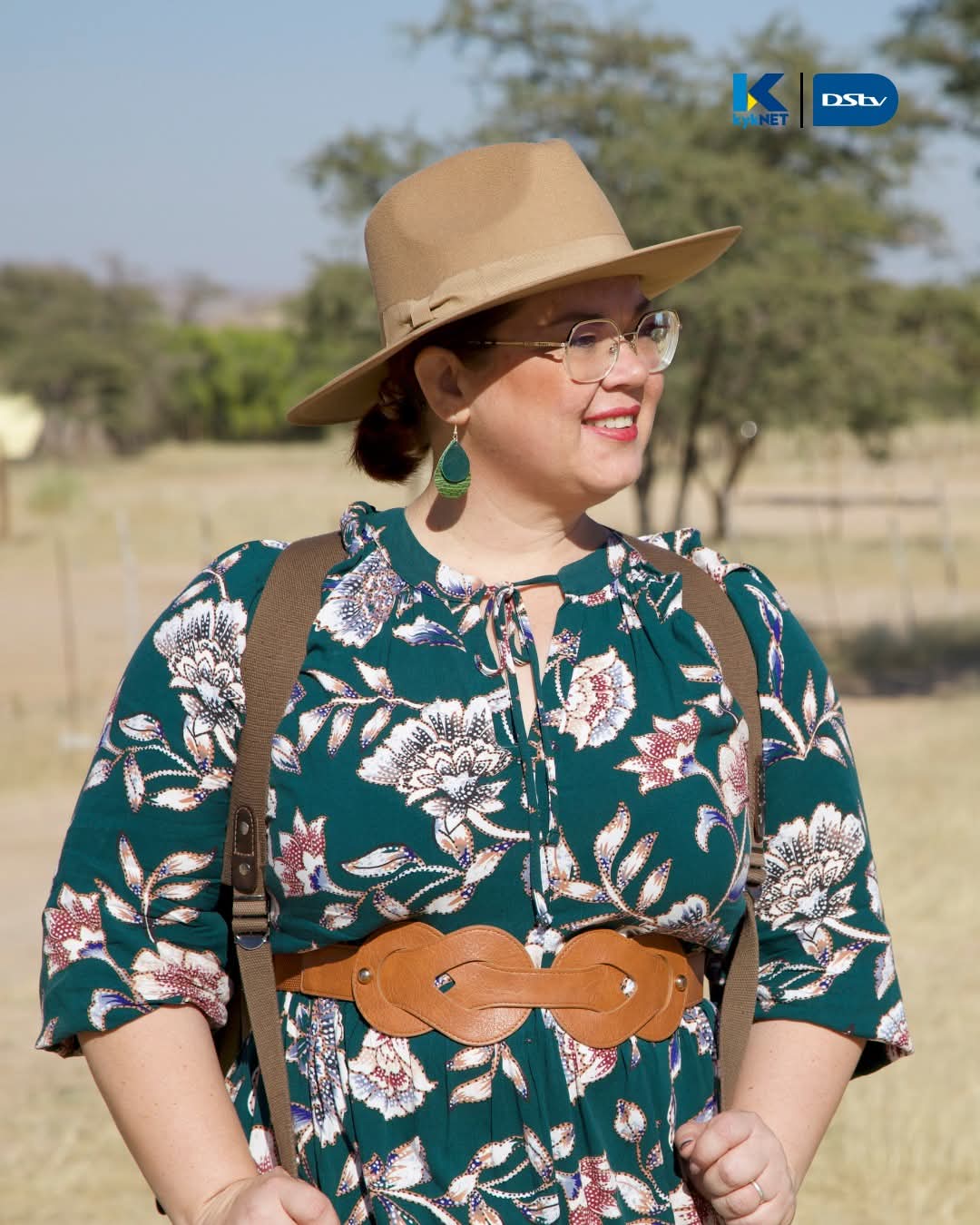
“A potjie symbolises togetherness, love, and family and friends to me,” said Joalette De Villiers, the host of ‘Op die pad met my Potjie.’
When you tune into the Op die pad met my Potjie show, you are not merely watching a cooking programme but embarking on a journey through people, places, and a variety of Namibian stories, simmered gently over a potjie fire.
The concept gained traction when the Ombura project, funded by MultiChoice, was launched. “This project was chosen, and the hunt for a presenter was on. I was lucky and blessed enough to be chosen to be the face of Potjie,” De Villiers said.
Choosing where to go and who to feature was a long, tedious process, yet very rewarding in the end. Pedro Mendoza spent hours scouting for the perfect guests.
“Pedro sources many people and places, but in the end, a panel decides which episodes have the potential to do good. As soon as a person and place get the green light, I start travelling,” she said.
Mendoza created “op pad met my Potjie” in 2016, after having many potjies with different people from different cultures in Windhoek.
“What struck me was that everyone had a special recipe and a story about how they did their potjie. I was born with so many different bloods in the north, Uukwaluudhi to be specific. When I came to Windhoek, I spoke English, Oshiwambo and Himba. So, I was always diverse and cultural,” Mendoza said. “Windhoek really opened my eyes to the many different people we have in Namibia, and the potjie was the first thing that truly opened my mind. I finally realised this is the pot that could unite us in so many ways. So, I had to learn Afrikaans. Only in 2024 did I finally find a platform where I could apply. I was super excited that DSTV saw my vision for the project and brought it to life. And in 2025, the project reached its highest point by securing a slot on KykNet’s “prime time” for season 2,” he added.
The real star of the show was indeed the potjie and the fireside moments that would often unlock the most honest conversations, with guests being authentic and opening.
“When the fire starts, it’s almost as if we get more relaxed and social, it is very beautiful to see, because they are so proud of their potjie,” she noted.
Her highlights in filming included danger and comedy. “My cameraman almost had to abort the mission when a Brahman bull charged him,” she added. Although it was not that serious, they were still able to laugh about it. Another humorous highlight came at Naankuse.
“The baby baboons used my dress as a tent. I had a hard time speaking because I was laughing the whole time,” she said.
Travelling through Namibia has left a lasting impression, fine-tuning her taste palette with food such as Mangeti oil, Marula oil and dried Makataan seeds.
“The tenacity, artistry, hard work and passion my guests have for what they do has been awesome to witness,” she said.
As for the future, De Villiers hopes the series can go beyond Namibia and see places such as South Africa, Botswana, Angola and other African countries with unique delicacies to offer. “I would love to see how other countries use this three-legged pot to make traditional dishes,” she concluded.
-mamunyela@nepc.com.na