


Bravery Kabula
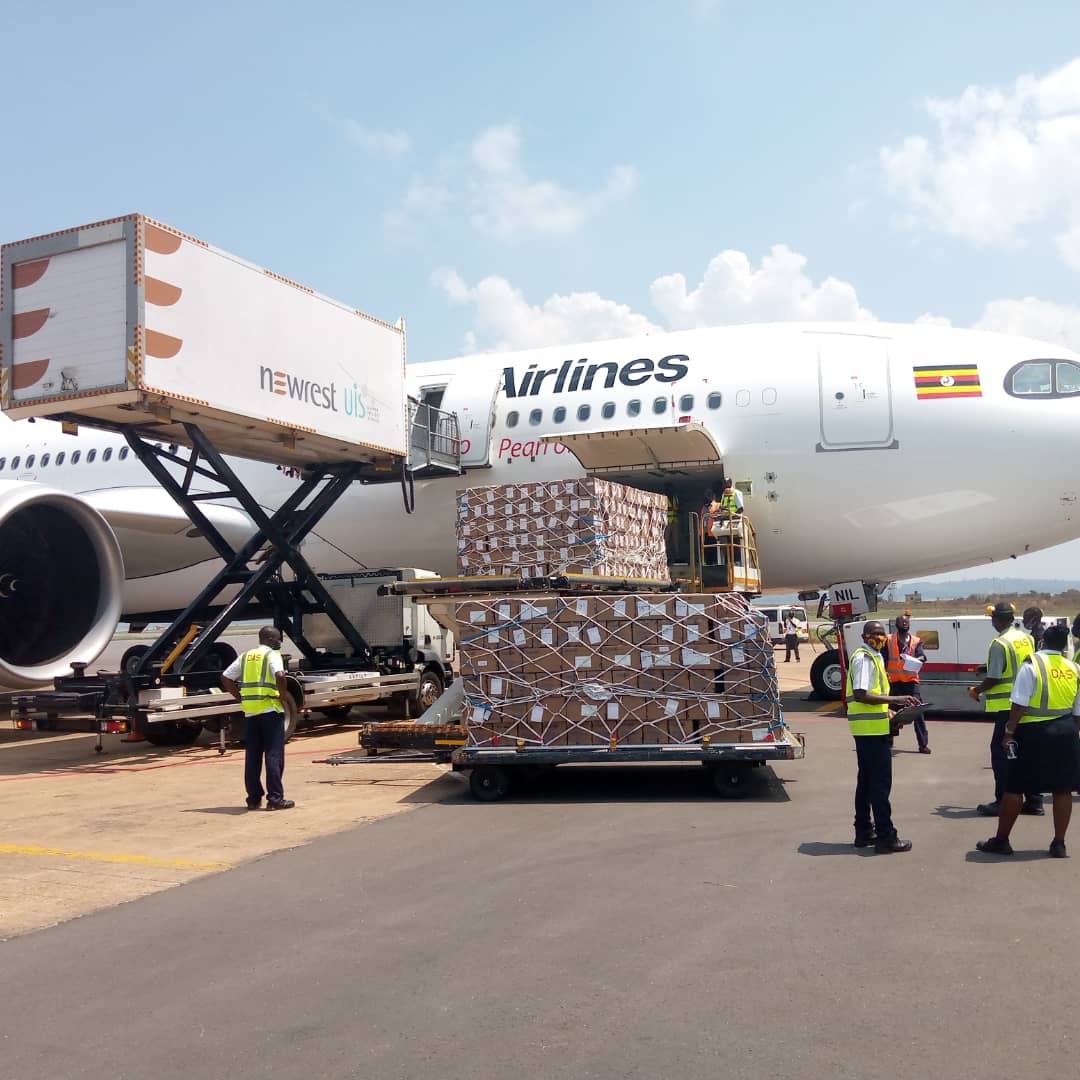
African airlines are emerging as the fastest-growing players in global air cargo, recording a 21% year-on-year increase in demand in February 2026, the strongest performance of any region. The latest data highlights a significant shift in momentum toward the continent, as air freight activity continues to expand despite ongoing structural and economic challenges.
According to the International Air Transport Association (IATA), the surge in demand was matched by a 17.3% increase in cargo capacity, reflecting efforts by African carriers to scale operations in response to rising trade volumes. The growth suggests a strengthening balance between supply and demand, with airlines positioning themselves to capture new opportunities in global logistics.
The strong performance comes at a time when global trade is gradually recovering, supported by improved manufacturing output and increased cross-border commerce. Data from global trade monitors such as the World Trade Organization (WTO) shows that goods trade has been on an upward trend, providing a supportive environment for air cargo demand, particularly for time-sensitive and high-value goods.
Within Africa, the expansion of trade corridors has played a crucial role. Demand on the Africa-Asia route grew by 61.9% year-on-year in February, marking eight consecutive months of growth. This reflects deepening economic ties between the two regions, driven by increased exports of raw materials and agricultural products from Africa, alongside rising imports of manufactured goods and technology from Asia.
Aviation analysts note that the Africa-Asia corridor is becoming increasingly important as businesses diversify supply chains and seek alternative markets. The continued growth of this route signals not only stronger trade relationships but also the growing integration of African economies into global production networks.
Despite the positive momentum, Africa still accounts for only 2.1% of the global air cargo market, underscoring the scale of untapped potential. Industry experts point to persistent challenges such as limited airport infrastructure, high operational costs, and regulatory inefficiencies that continue to constrain growth. Reports by the African Development Bank (AfDB) and the International Civil Aviation Organisation (ICAO) have consistently highlighted the need for investment in aviation infrastructure and policy reforms to unlock the sector’s full potential.
Nevertheless, the latest figures indicate that African airlines are making measurable progress. The simultaneous increase in demand and capacity suggests improved operational confidence and a willingness among carriers to expand routes and services. This aligns with broader continental initiatives such as the African Continental Free Trade Area (AfCFTA), which aims to boost intra-African trade and enhance connectivity.
Economists argue that sustained growth in air cargo could have wider economic benefits, including improved trade efficiency, increased export competitiveness, and stronger regional integration. As air freight remains critical for sectors such as agriculture, pharmaceuticals, and e-commerce, its expansion is likely to support broader economic development across the continent.
While challenges remain, the February 2026 performance positions African airlines as key contributors to the evolving global air cargo landscape. With demand growth outpacing other regions, the continent is steadily carving out a more prominent role, driven by expanding trade links and a growing need for efficient logistics solutions.