


Selma Shiwaya
Government’s decentralisation policy has gone into overdrive, with 327 public service staff members seconded.
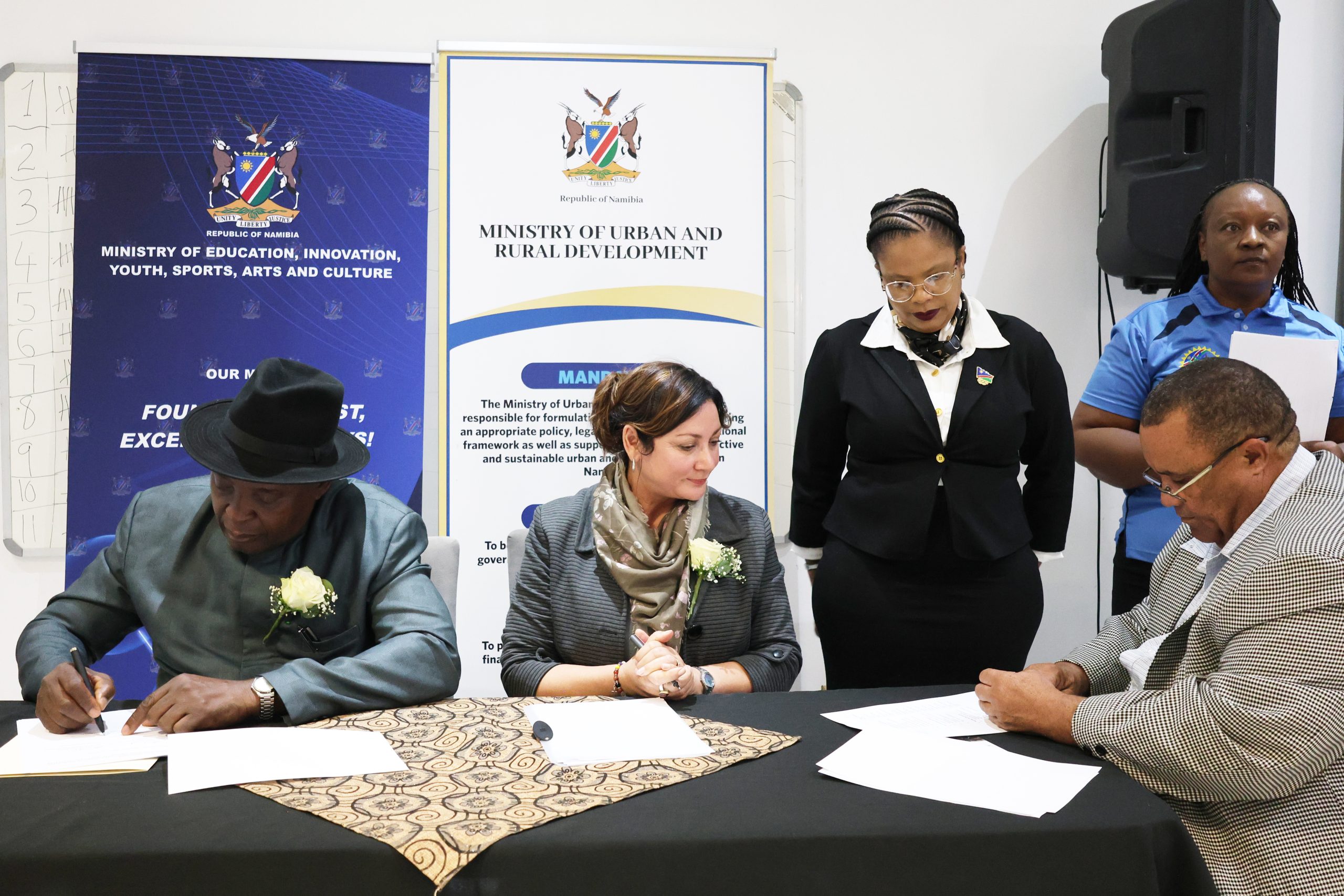
This follows the recent handover of delegated youth and sport functions to regional councils. Education minister Sanet Steenkamp said the decision was made following the gazetting of the youth and sport functions in 2024 and the integration of the Department of Youth, Sport and National Service into the ministry in 2025.
“Comprehensive consultations and induction sessions on the functions to be delegated were conducted with staff members and regional councils in August 2025,” the minister noted.
Steenkamp, a career educator noted that consultations were also conducted with unions before the signing of secondment letters as part of the transition process. Steenkamp further affirmed that support will be provided to individual regions in finalising the transition process, which will include operational matters relating to office accommodation, assets, human resources, financial arrangements and the implementation of delegated functions. “As we advance towards full devolution within the broader decentralisation process, I call for continued close collaboration, mutual commitment and the strengthening of partnerships among all our institutions,” she said. Speaking at the handover event in Otjiwarongo last week, urban and rural development minister James Sankwasa welcomed the inclusion of youth empowerment functions in the decentralisation process and highlighted the economic value of sport. He, however, stressed that decentralisation should not merely involve the transfer of functions between levels of government but should empower sub-national governments to operate effectively and independently. Sankwasa further cautioned against decentralised directorates remaining attached to central government structures and rejecting directives from regional councils.
“We need to assess whether regional councils are ready to receive the decentralised functions and whether the staff members being decentralised are ready to be received by the regional councils,” he said.
The minister also underscored the importance of accountability and monitoring by political leadership, stating that it is their responsibility to monitor work carried out by the administration without interference.
“We expect a proper symbiotic working relationship between the decentralised staff members, the regional councils receiving them and the regional governors,” he said.
The key functions handed over include youth empowerment and development, sport promotion and support, as well as planning and development. These functions are expected to enable regional councils to play a more direct role in coordinating youth programmes, supporting community sport initiatives, identifying local talent, facilitating stakeholder engagement and promoting inclusive regional development.
The delegation of functions to regional councils is aimed at deepening decentralisation, strengthening local governance and improving service delivery at the grassroots level.
*Selma Shiwaya is an information officer at MICT Otjozondjupa.