
Namibia is experiencing a severe water crisis, with its central regions facing dire shortages driven by climate change and infrastructure constraints.
As one of the driest countries in sub- Saharan Africa, Namibia’s arid climate and persistently low rainfall continue to make water an increasingly scarce and vulnerable resource.
Rapid population growth, urbanisation and industrial expansion have significantly increased demand for water, placing immense pressure on already limited supplies.
Experts note that climate change has further worsened the situation, with rising temperatures and erratic rainfall patterns reducing the reliability of traditional water sources.
The water crisis continues to affect nearly every sector of Namibian society, including agriculture, industry, public health and biodiversity. In response, the Environmental Investment Fund of Namibia (EIF), in partnership with the Ministry of Agriculture, Fisheries, Water and Land Reform, has announced the installation of water softening and treatment systems at 17 borehole sites across the country.
The initiative aims to improve access to safe and clean drinking water for rural communities.
The initiative, which commenced in January 2023, was developed to address persistently high groundwater salinity levels that have long compromised water quality in Namibia’s arid and semi-arid regions.
A statement issued by EIF spokesperson Romeo Muyunda, the programme originated as an EIF-led innovation and pilot project in 2022, aimed at responding to longstanding water access challenges affecting rural communities.
“During the pilot phase, EIF mobilised internal resources and partnered with local engineers to implement water softening technologies at three borehole sites in the Erongo region.
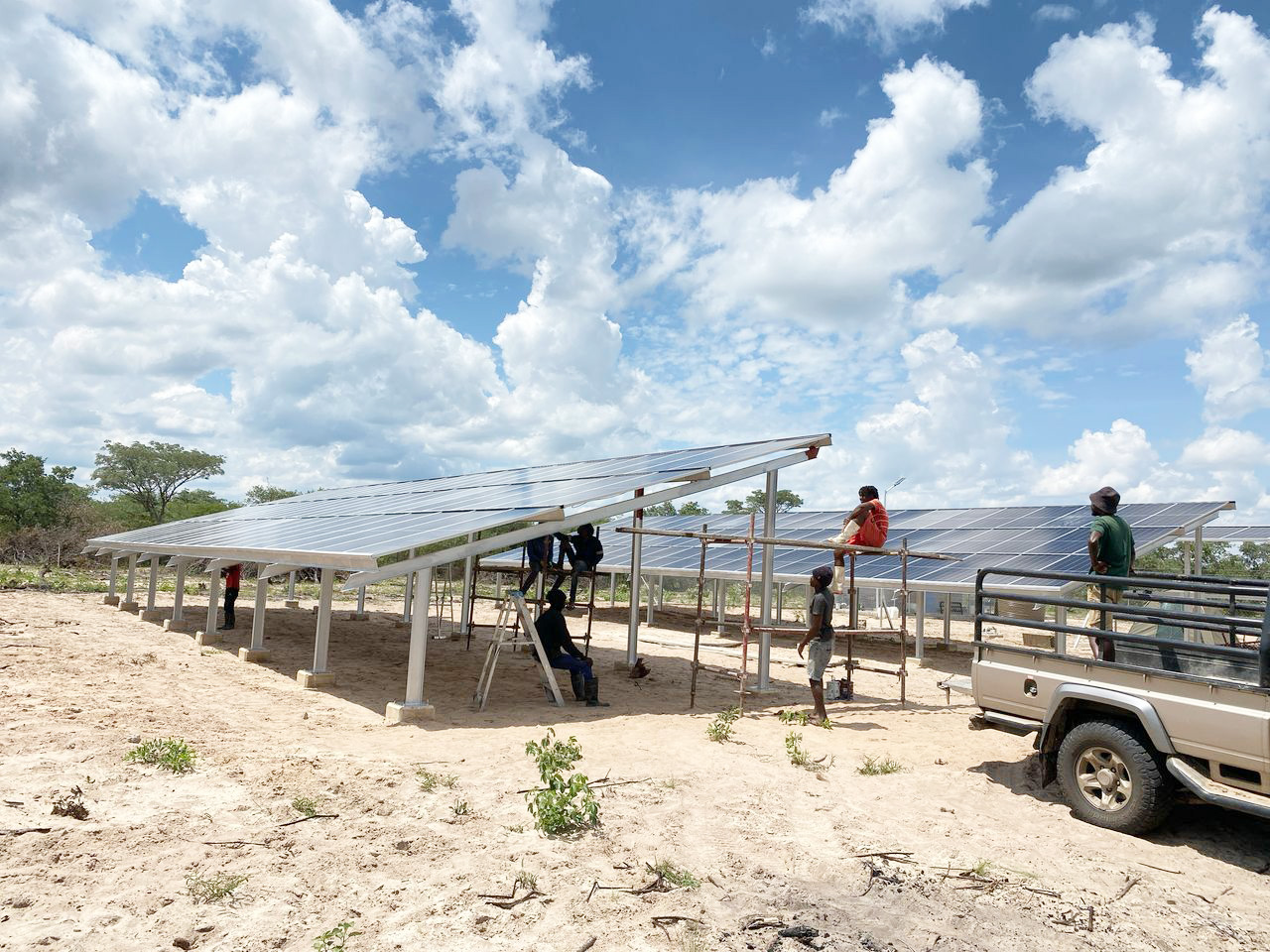
“Building on the success of this phase, EIF subsequently partnered with the Ministry of Agriculture, Fisheries, Water and Land Reform, which allocated N$40 million to support the planning and design of appropriate, site-specific water treatment solutions. These solutions include reverse osmosis systems and solar-powered borehole pump installations tailored to local environmental conditions,” he said.
Muyunda stated that phase one addressed thirteen sites across the Karas, Kunene, Ohangwena, Kavango East, Kavango West and Zambezi regions.
Phase two focused on four additional sites in the Oshikoto region, which have been severely affected by prolonged water quality challenges. The planning and design process ensured that each site was equipped with technically appropriate and sustainable water softening and treatment solutions, including solarised pumping infrastructure to reduce operational costs and enhance long-term reliability. The sites have since been handed over to the ministry in a functional state, providing clean and safe water to surrounding communities. More than 1 000 households are already benefitting from improved water quality for domestic use and for small-scale agriculture and livestock in certain areas.
“Beyond infrastructure development, the project placed strong emphasis on local capacity building. Sixty-nine (69) water point committee members and regional officials were trained in the operation and maintenance of reverse osmosis systems, strengthening community ownership and supporting the long-term sustainability of the interventions.
“In addition, the project created 127 temporary jobs during the construction phase, contributing to improved local livelihoods,” he said.
While some sites are still awaiting commissioning due to outstanding connections and equipment replacements by implementing partners, the completion of the planning and design phase provides a solid foundation for full operationalisation and the future replication of similar interventions nationwide.
“Given Namibia’s climatic conditions and ongoing water scarcity challenges, the demand for safe water remains high. EIF remains committed to supporting the government’s efforts to secure reliable water access, enhance climate resilience and improve livelihoods in line with its mandate,” he said. -pmukokobi@nepc.com.na