

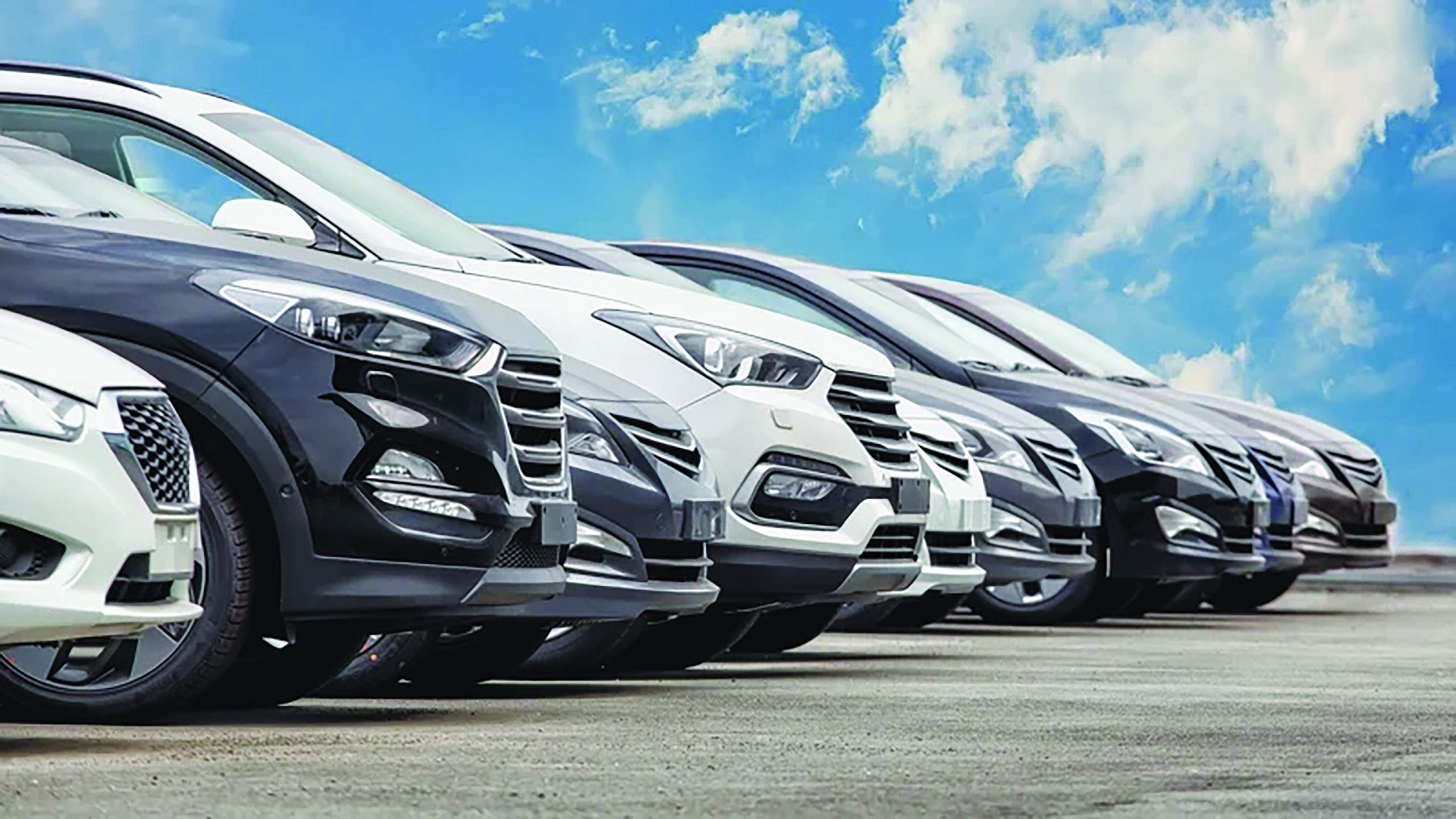

BRUSSELS – The European Union announced a landmark 2035 ban on new petrol and diesel cars on Tuesday, as part of a package of reforms aimed at supporting Europe’s embattled auto industry.
The ban was hailed as a major win in the fight against climate change when it was adopted in 2023, but carmakers and their backers have lobbied hard over the past year for Brussels to relax it, in the face of fierce competition from China and a slower-than-expected shift to electric vehicles (EVs).
The European Commission is expected to propose replacing the ban with a less ambitious 90% emissions-reduction target, a move critics say risks undermining the EU’s green agenda and deterring investments in electrification.
But talks within the commission were going down to the wire ahead of an official announcement on Tuesday afternoon on what vehicles would be allowed to be sold after the deadline, according to EU sources.
“This is a critical milestone for the future of the sector. There is a lot at stake,” Sigrid de Vries, the head of European auto lobby ACEA, told a press conference in Brussels on Monday, referring to the expected reforms. The ban was a cornerstone of the EU’s environmental Green Deal, which has come under increased pressure from businesses and right-wing politicians as Europe seeks to bolster its industry.
“There is a clear demand for more flexibility on the CO2 targets,” commission spokeswoman Paula Pinho told a press conference on Friday, saying Brussels was “aiming for balance.”
Carmakers argue that the 2035 goal to have only electric vehicles sold in Europe, and an intermediate 2030 target, are no longer realistic.
High upfront costs and the lack of adequate charging infrastructure in parts of the 27-nation bloc have meant consumers have been slow to adopt EVs.
Just over 16% of new vehicles sold in the first nine months of 2025 are battery-powered, according to ACEA.
Automakers would like to see continued sales authorised for plug-in hybrids or those equipped with range extenders, small combustion engines that recharge the battery instead of powering the wheels.
Germany and some eastern European nations support this, despite questions about the vehicles’ green credentials; a recent report indicates that plug-in hybrids emit almost as much as petrol cars.
Poisoning the debate
Others, such as Italy, want to see the use of alternative fuels, including those derived from agricultural crops and waste products, allowed.
That was a sticking point in talks on Tuesday morning, a commission source told AFP. Environmental groups oppose a massive adoption of biofuels, saying it would likely increase pesticide use, soil degradation, and deforestation.
Manfred Weber, the conservative head of the EU parliament’s largest group, welcomed the new 90% emissions-reduction target, but said no engine should be banned, leaving the choice with consumers.
“Forbidding technologies” was a gift to far-right populists, he told a press conference.
The expected lowering of ambitions is set to displease the Nordic countries, Spain, and, to an extent, France, which have long called for maintaining the planned trajectory to avoid harming firms that have invested in the transition to electric vehicles.
But William Todts, director of the clean-transport advocacy group T&E, said he hoped obtaining concessions would help the auto industry move on and stay the course towards a green transition.
“I hope that if they get a little bit of what they want, they will stop poisoning the political debate,” he told AFP, arguing heated discussions had created confusion in the sector and among consumers.
The commission is also expected to unveil additional measures to support the sector, including plans for “greening” company fleets and encouraging production of small and “affordable” EVs.
France has advocated a “European preference” requiring manufacturers receiving public subsidies to source components from within the bloc.
Road transport accounts for about 20% of total planet-warming emissions in Europe, and 61% of those come from cars’ exhaust pipes, according to the EU.
–Nampa/AFP