


Joseph Kaula
ONEKWAYA WEST – Namibia continues to grapple with rising human trafficking cases, with 706 incidents recorded this year alone.
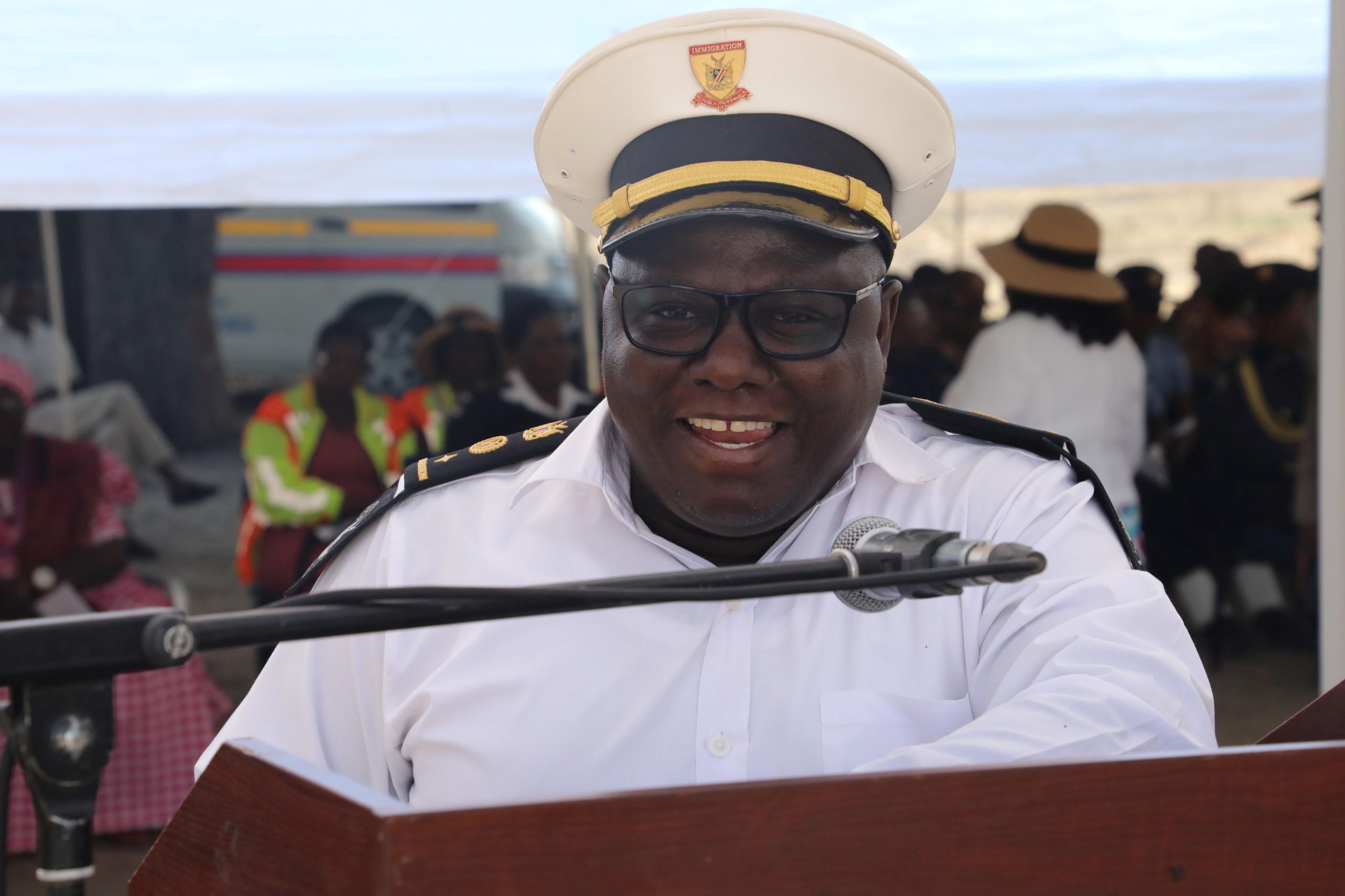
Of these, 36 have been confirmed, while 680 remain classified as high-risk. The alarming statistics were revealed by the deputy director in the Ministry of Home Affairs, Immigration, Safety and Security, Chrispin Kamwi, during the commemoration of World Day Against Trafficking in Persons at Onekwaya West village in Endola constituency in Ohangwena region.
Kamwi said human trafficking occurs for various reasons, including sexual exploitation, cheap labour on crop fields, the charcoal industry and farms, as well as organ harvesting.
He warned that these figures represent real lives being destroyed. “Trafficking robs people of their dignity and freedom. It tears families apart and leaves survivors scarred for life,” he said.
He also noted the Oshikango border post has seen a surge in illegal crossings linked to trafficking, particularly involving children contracted as cheap labour on Namibian farms. Kamwi urged employers to follow the law and obtain proper work permits rather than exploiting vulnerable Angolan nationals.
The commemoration, held under the theme “Human Trafficking is Organized Crime – End the Exploitation,” featured awareness messages from traditional leaders, the Namibian Police, Home Affairs officials, and the Office of the Governor. Community members pledged to cooperate with government and law enforcement to end the scourge threatening Namibia’s social fabric.
Ohangwena governor Kadiva Hamutumwa emphasised that Namibia has not been spared from the global crisis. Between June 2024 and June 2025, six Namibians were repatriated from South Africa and East Asia after being trafficked. In the same period, four foreign nationals were returned to their countries of origin, including two Angolans, one Batswana, and one Zambian.
The governor called for stronger vigilance, stressing that traffickers often target women, children, and unemployed youth. “We must work together to protect our people. If you see suspicious activities, report them. It could save a life,” she urged.
* Joseph Kaula is an information officer for MICT in Ohangwena region