
WALVIS BAY – The Small Pelagic Industry Association has slammed the ongoing illegal harvesting of pilchards by horse mackerel vessels, warning that Namibia’s remaining pilchard processors are at risk of collapsing.
The fishery has been under a government-imposed moratorium since 2015.
Footage shared with New Era shows a horse mackerel trawler sorting and packing large quantities of pilchards caught last week in Namibian waters.
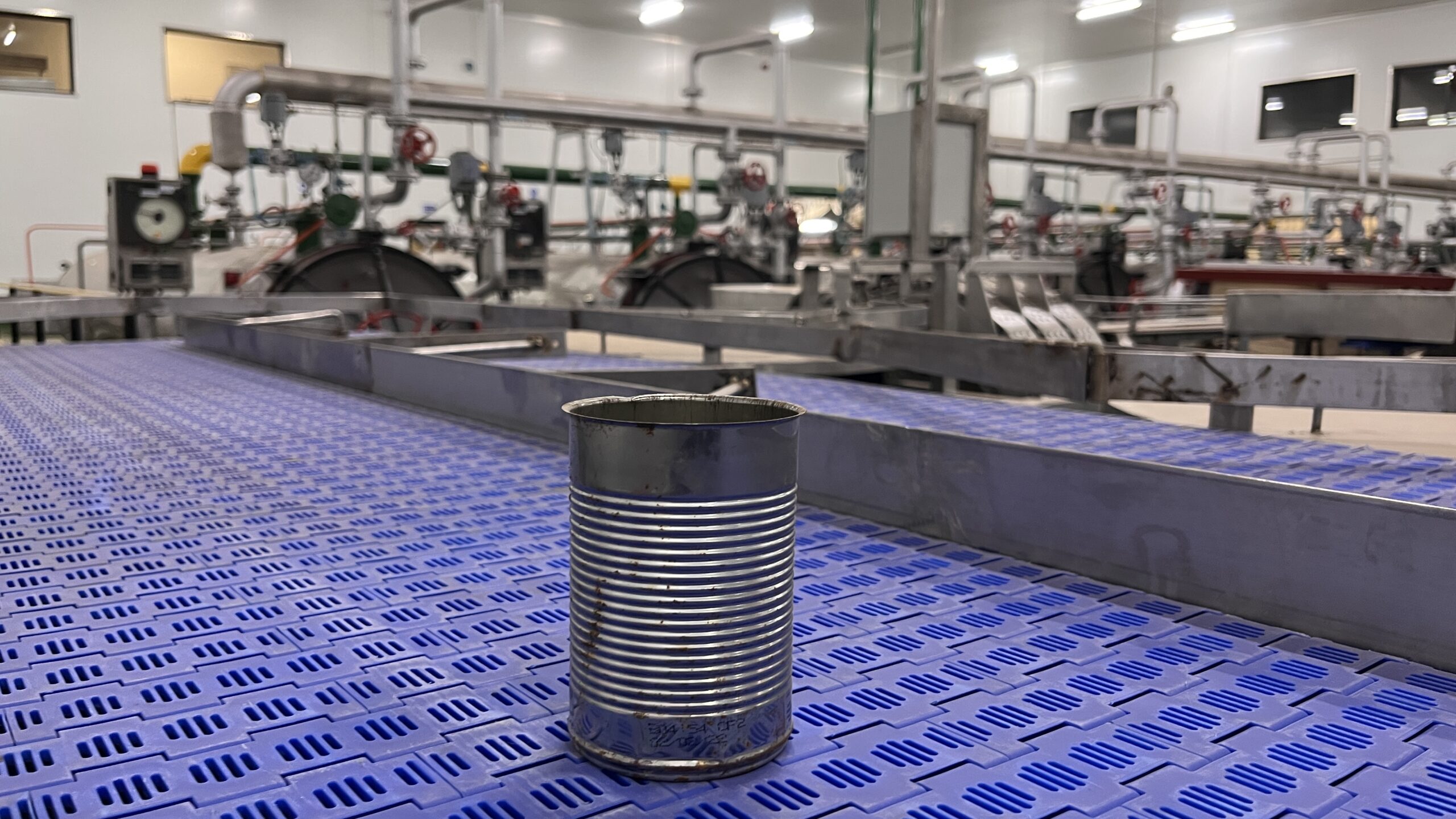
Currently, three land-based canneries — Etosha Fishing, Princess Brand, and Gendev — are battling to stay afloat. Together, they can employ more than 1 300 people.
Chairperson of the association, Johny Doeseb, said the latest evidence confirms that horse mackerel vessels are not only over-catching but deliberately targeting pilchards — hiding behind by-catch allowances.
“You cannot claim 300 tonnes of pilchards on a vessel as incidental. That’s not by-catch — that’s targeted fishing, and it’s illegal,” Doeseb said on Friday.
“We cannot sit back and clap hands while vessels land pilchards under the cover of horse mackerel operations. It’s blatant abuse.”
According to the Marine Resources Act, only 5% of a catch may consist of other species not included in a vessel’s quota.
A fisheries report released last year revealed that pilchard landings in the horse mackerel sector jumped from 6 504 tonnes in 2023 to 12 610 tonnes in 2024 — despite the moratorium.
Some of the vessels with the highest pilchard by-catch include Komesho (7 054 tonnes), Katanga (1 216 tonnes), Tutungeni (1 193 tonnes), Carapau 1 (711 tonnes), and Mediva Star (682 tonnes).
Penalties Too Low
In 2023, the total landed value of by-catch stood at N$428 million, but only N$64 million was paid to the State — raising questions about national revenue losses and enforcement loopholes.
“The over-catch is worth more than the fine,” Doeseb said. “We’ve proposed that illegal landings be confiscated and sold through the Fish Consumption Trust so ordinary Namibians can benefit.”
Current penalties stand at 15% of the landed value, which industry players argue is too low to deter deliberate violations.
Calls for Oversight and Verification
Another industry source told New Era the company involved is known to have political links, which is why many are afraid to speak out.
“The culprits are known transgressors. We need the fisheries ministry and government to take this plundering seriously. It could cost us international trade routes due to illegal and unregulated fishing,” he said.
“Lift the Ban” – Call from Industry
Princess Brand’s managing director, Adolf Burger, said their facility has been underutilized for years but is now ready to resume operations and hire 450 workers — if government lifts the moratorium.
“The pilchard moratorium was a responsible decision after years of overfishing. But it restricted our operations and blocked job creation,” Burger said.
He urged government to act on science and introduce a controlled, experimental total allowable catch (TAC) to legally restart the industry.
“If we don’t act now, the biomass may migrate or damage other fisheries like hake. Wet-landed plants with canning capacity should be prioritized. We’re ready.”
Data from the 2023 Horse Mackerel and Small Pelagic Cruise Report, released in December, confirmed a resurgence of pilchards along the coast.
The report estimated a sardine biomass of nearly 1 million tonnes — up from less than 2 000 tonnes in 2022.
Risk to Global Certification
Acting director of policy, planning and economics at the ministry, Ndesheetelwa Shitenga, in her report confirmed that the volume of pilchard by-catch points to deliberate targeting.
She warned that Namibia could lose its Marine Stewardship Council (MSC) certification — particularly in the hake sector —if illegal fishing continues.
“If we continue at this rate, we could lose our MSC certification, which will negatively affect market access for Namibian fish products,” she said.
The ministry told New Era in February that it is considering revising the penalty structure to better reflect the commercial value of species and deter illegal activities.
Not us…
Meanwhile, Tunacor managing director, Peya Hitula whose vessel has been implicated, has denied any illegal activity.
“I have heard about the video circulating; it is not from our vessel. All mid-water trawl vessels are catching pilchard as a by-catch due to the horse mackerel moving inside the 200m isobath,” he said.
According to him the seals could also be pushing the pilchards to the outside of the 200m isobath. All the fish they caught is kept on board and processed as per ministry’s regulations, he said yesterday.
“Perhaps we can investigate to see where the video is emanating from, your assistance will also be appreciated in this regard he said.