
WALVIS BAY – The ongoing water shortage in Walvis Bay, caused by ailing infrastructure in the Kuiseb aquifer, is hampering fishing operations and placing one of Namibia’s biggest employers and foreign currency earners in a precarious position.
NamWater earlier this month confirmed electricity supply challenges at the Rooi Bank and Dorop South aquifers. These ongoing issues, including voltage drops and deteriorating infrastructure, continue to limit water extraction from the boreholes supplying Walvis Bay.
As a result, the fishing industry, accounting for 14% of the country’s export earnings which totalled around N$14 billion in 2023, is facing severe challenges.
Since February this year, frequent power outages and low water pressures have crippled Walvis Bay’s water supply, leaving companies struggling to keep their operations afloat.
The crisis, described by industry players as a serious threat to both product quality and output, could have lasting consequences, if not urgently addressed. Namibia remains one of the world’s top producers of high-quality fish, and ongoing disruptions of this nature risk damaging the country’s reputation and economy.
Factories under pressure
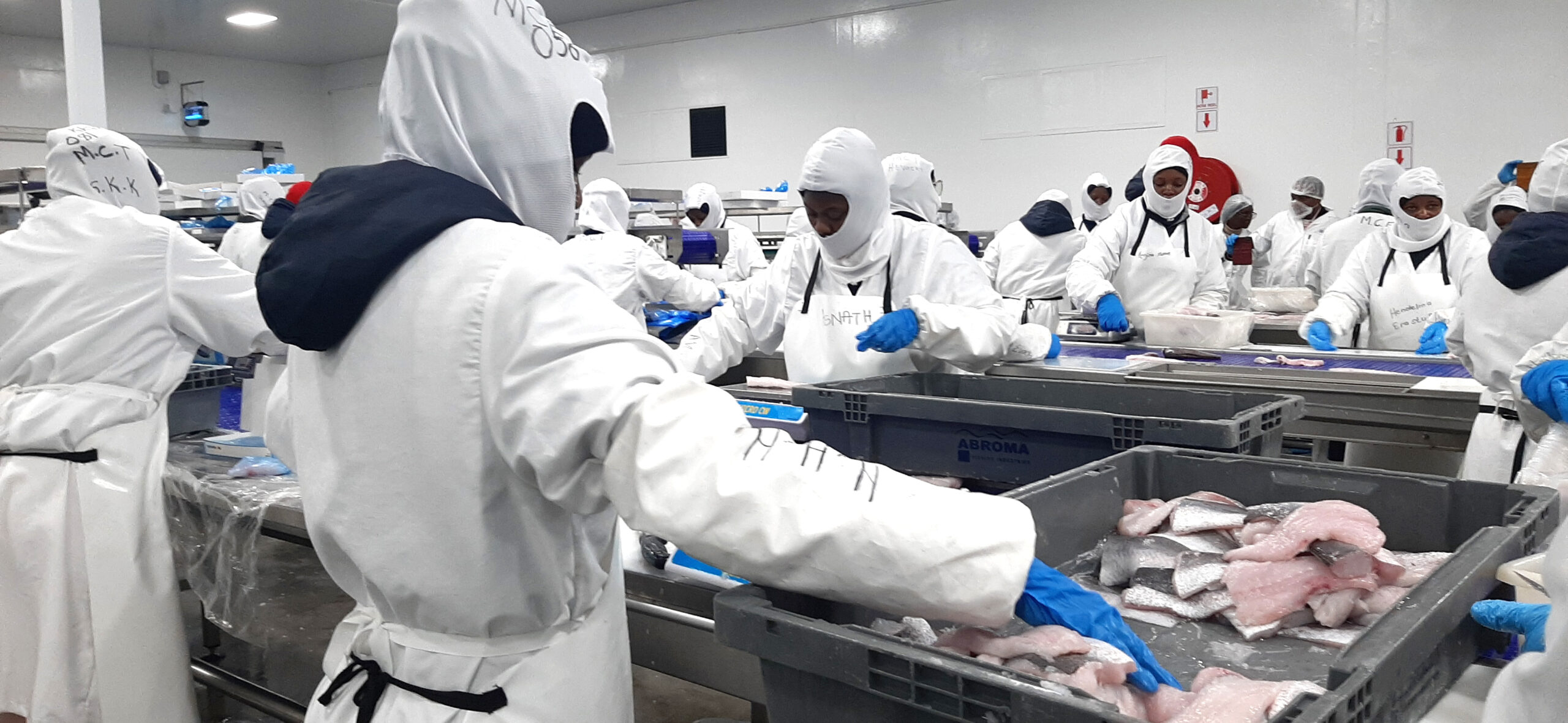
Several industry players stated that operations in some factory divisions which rely on freshwater have been brought to a standstill.
Johny Doeseb, chairman of the Wet-landed Small Pelagic Association, yesterday said the breakdown of NamWater’s supply lines has significantly reduced the water reaching Walvis Bay.
“Some companies are now forced to transport water from Swakopmund to keep operations going. Industry players stress that NamWater must urgently replace ageing infrastructure in the Kuiseb Delta,” he emphasised.
NovaNam’s managing director Edwin Kamatoto said they’ve been grappling with water issues for more than a month.
“Low pressure affected some of our machines that depend on freshwater to function properly. But things got worse on 15 May when there was no water at all,” he observed.
NovaNam was forced to source about 50 000 litres of water from the municipality near the cemetery to avoid product spoilage.
Productivity dropping
General Manager of Princes Brand Processing, Adolf Burger, said the shortage is affecting their pelagic operations.
“It’s creating constraints, especially when it comes to the processing, washing and grading of fish. This has reduced productivity, forced us to work fewer shifts, and added costs as we now transport water to our facilities,” he lamented.
Day-to-day operations crippled
Tunacor’s Peya Hitula confirmed that the shortage is negatively affecting their day-to-day operations.
“It’s not good at all; as our processing factories are not operational at times. The water issue is simply not favourable to the fishing industry,” he said.
NamWater said ‘we are on it’
The water corporation described the current shortage as coming from ongoing electricity supply issues at the Rooibank and Dorop South aquifer systems, which provide water to Walvis Bay. It confirmed that voltage drops and deteriorating infrastructure have reduced water extraction significantly.
“Cable theft and voltage instability have contributed to frequent power failures. While water is available, delivering it to Walvis Bay is the challenge,” NamWater said in a statement earlier this month.
They also advised the Walvis Bay municipality to extend water rationing until 30 June. Water is currently cut between midnight and 04h00 daily.
NamWater spokesperson Lot Ndamanomhata said boreholes are still not operating optimally due to ongoing technical faults and old infrastructure.
“The rationing regime remains, but we’re pleased the nightly interruptions are limited to four hours. We are in the advanced stages of procuring replacement powerlines, with full completion expected by the end of June,” he promised.