


One month into the United States and Israel’s war on Iran, the Middle East is beginning to feel significantly different, with its whole effects being felt across the world.
Globally, energy prices are soaring as violence intensifies across the region. Namibia is not an exception.
As efforts to reach a diplomatic off-ramp are offset by unheralded rhetoric and threats of further escalation by both sides, the Namibian government has taken proactive measures to shield its citizens from the soaring prices.
Immediately, the government will temporarily reduce fuel levies by 50% for at least three months until the end of June, while at the same time the National Energy Fund (NEF) will continue to stabilise fuel price volatility, considering escalating global fuel prices. Consumers have, as well, been discouraged from hoarding, due to serious safety concerns, or illegally reselling fuel as domestic and national stocks remain adequate for supply.
Increase
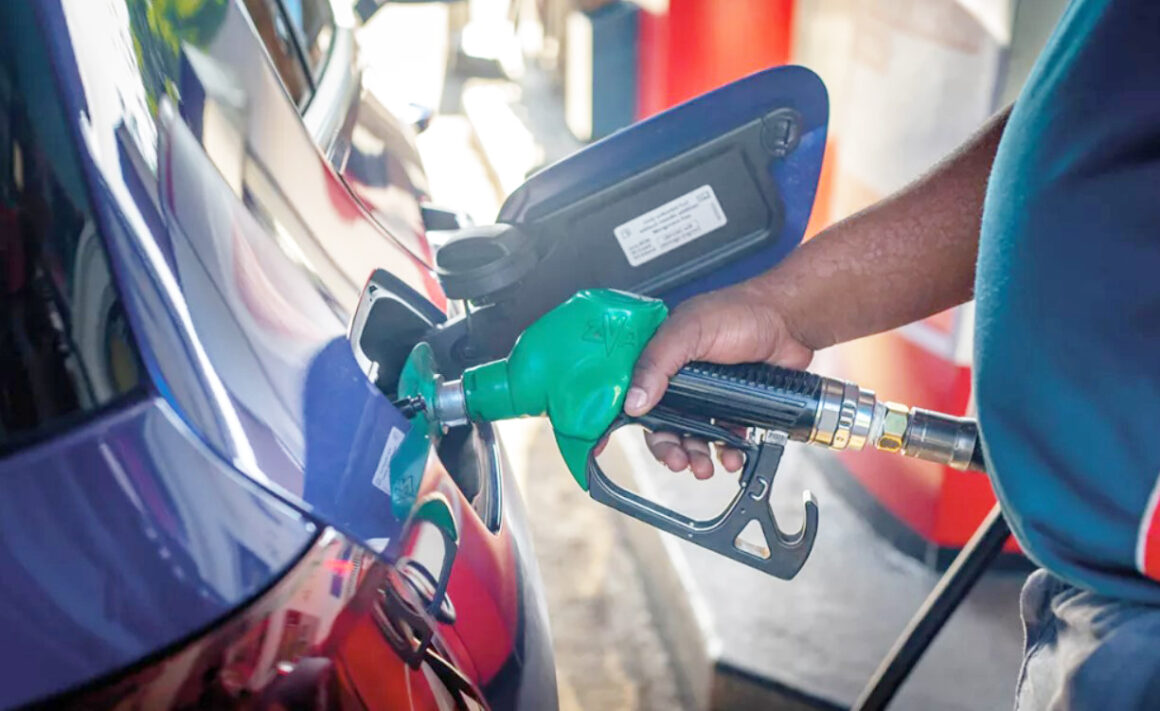
Efforts by the government to protect Namibian consumers from significantly escalating global oil prices have kept April fuel increases lower than expected, with petrol going up by N$2.50 per litre and both grades of diesel set to increase by N$4 per litre on Wednesday. This means fuel prices at Walvis Bay, the port of import, will be N$22.08 per litre for petrol, N$23.63 for diesel 50ppm and N$23.73 for diesel 10ppm.
Commenting on the reduction of fuel levies, energy minister Modestus Amutse was unambiguous.
“This measure is necessitated due to the high price volatility of petroleum, which resulted from the ongoing geopolitical tensions under recovery in the Middle East,” Amutse said on Friday. He added that the NEF will assist to stabilise domestic fuel price volatility from April to the end of June, with April’s under recovery amounting to some N$500 million. “At this stage, there are no supply disruption availability-related effects in Namibia. “ The risk we are managing is primarily price-related, not availability-related,” said Amutse. He added that the ministry has taken note of reports of panic buying by some consumers but emphasises that there is no need for concern.
“The public is therefore advised not to store fuel in excessive quantities or unsafe conditions, as this poses serious risks. Additionally, the resale of petrol or diesel without a licence is illegal. Under the Petroleum Products and Energy Act of 1990, only authorised and licensed entities may sell fuel to the public, and buying or selling fuel through informal channels is strongly discouraged due to the legal and safety risks involved,” Amutse said.
He also reiterated that the government remains committed to ensuring a secure, stable, and affordable supply of fuel.
Economic Impact
Economist Klaus Schade noted that on the global stage, average Brent oil spot prices have thus far increased by just under 40% in March compared to February 2026, which, when converted into Namibian dollars, is about 44%.
“However, the average oil price converted into Namibian dollars is currently on the
same level as in April 2024, which resulted in fuel prices in Windhoek increasing to N$23.43 per litre for petrol and N$22.60 per litre for diesel. Should the ministry increase prices to this level, transport inflation could rise to seven per cent and overall inflation increase by up to one percentage point,” Schade noted.
Schade expected the ministry not to pass on the full increase in costs to the motorists but to use the NEF to absorb some of the increased costs.
“Furthermore, fuel stored at the National Oil Storage Facility could be released to cushion the price pressure since the storage facility was most likely filled when fuel prices were lower… Depending on how long prices will remain elevated, producers and consumers will finally feel the impact since increased transportation costs will increase production costs, especially in fuel-intensive industries such as fisheries, agriculture and mining, but will also increase transportation costs for consumer products,” Schade stated.
Also weighing in, economist John Steytler of R&J Steytler Management Consultants noted that an exorbitant fuel increase of between N$4 and N$8 per litre would not be a routine adjustment.
“In the Namibian context, it would amount to a major cost shock. Fuel is a system-wide input into the economy, affecting transport, production, and household welfare. Namibia would feel such a shock acutely because transport accounts for a significant share of inflation, and fuel costs feed into nearly all goods and services,” Steytler commented.
He noted that severe fuel increases affect consumers through an inflationary effect, an income shock at the household level, a competitiveness impact and macroeconomic effects.
To mitigate against future fuel price volatility, Steytler suggests various interventions. These include supporting vulnerable households and public transport, spreading increases over time to reduce shock, ensuring affordability of commuting and essential goods, accelerating rail and logistics improvements to reduce reliance on road transport and preventing unjustified price increases to ensure transparency.