

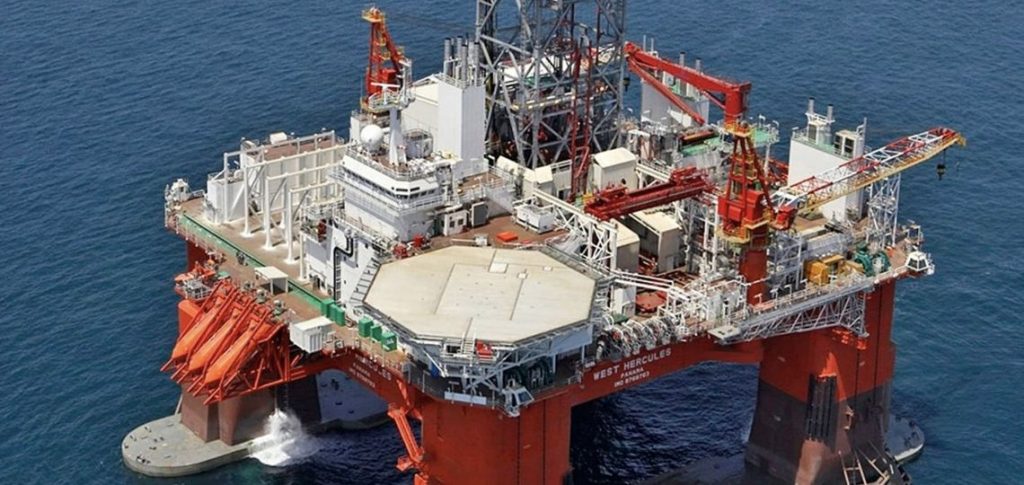

Galp, the Portuguese multinational energy corporation headquartered in Lisbon, was reported to be in advanced talks with international majors like TotalEnergies and Chevron to sell up to a 40% stake in its Mopane project, located off the coast of Namibia in the Orange basin.
The Mopane project is an oil discovery Galp made last year and is considered by insiders to be one of the most significant in Africa over the past decade.
Initial estimates of Mopane indicate up to 10 billion barrels of oil or oil equivalent, and reports have surfaced that Galp is seeking a partner to help develop the field, which is expected to begin production between 2031 and 2032.
Oil and gas pundits regard Mopane as one of Namibia’s most significant discoveries since 2022. Galp confirmed the presence of a large oil system at Mopane in May 2024 at a time when exploration activity intensified after major discoveries by TotalEnergies and Shell in 2022 and 2023.
The National Petroleum Corporation of Namibia (Namcor) last year stated that progress on these offshore projects could pave the way for oil production within the next decade.
Recently, industry insiders cited by international media state that Galp’s search for a partner has drawn interest from major players such as TotalEnergies and Chevron, who are leading contenders among potential buyers.
Now, it has emerged that Galp has shortlisted several candidates and plans to announce a final decision by the end of 2025. Galp commenced the partner search earlier this year in an effort to reduce its risk exposure in Mopane and to share the substantial costs required to advance the project.
However, investor caution resulted in a slower than expected start to the process.
Meanwhile, Agence Ecofin, an information agency specialising in public management and the African economy, published an analysis in July that highlighted concerns, including an economic model and resource volumes awaiting confirmation, as well as a high proportion of gas, which is harder to bring to market.
Other factors highlighted by Agence Ecofin included high development costs associated with deepwater projects and regulatory uncertainties, particularly regarding operational control and Namibia’s local content requirements.
-ebrandt@nepc.com.na