

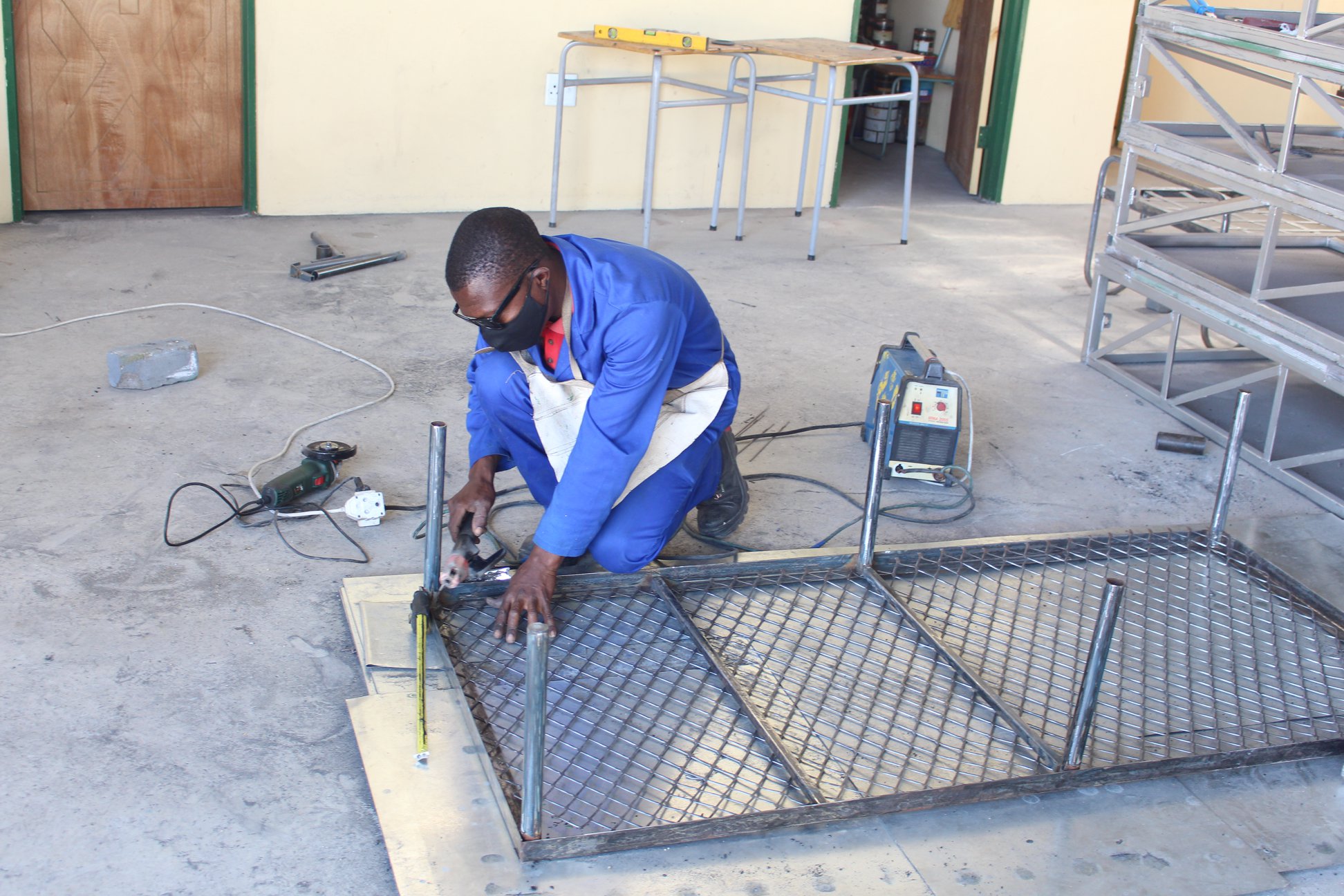

Out of about 455 000 youth in the country’s labour force, about 253 000 are in full-time or gainful employment, while the remaining 202 000, which is about 44.4%, are still without jobs, according to the latest figures contained in the National Development Plan (NDP6). Overall, Namibia’s entire labour force stood at 867 247 in 2023, of which 546 805 were gainfully employed, and 320 442 unemployed. The unemployed population dropped from 364 411 in 2018 to 320 442 in 2023.
The 320 442 unemployed represent about 36.9% of the country’s total workforce, while overall employment stands at 63.1%. Youth unemployment was higher in urban areas at 46.1%, than the 41.3% in rural areas.
The employed population decreased by 178 937 people from 725 742 in 2018 to 546 805 in 2023. Of the employed population, 55% are males and 45% females.
Under NDP6, the country’s final strategic framework aimed at achieving Vision 2030 – Namibia’s long-term goal of becoming a developed and industrialised nation – President Netumbo Nandi-Ndaitwah plans to increase the employment rate to 75% through various policy interventions.
Namibia’s economy remains heavily dependent on natural resources, including mining, agriculture, fishing and tourism. Together, these sectors account for approximately 22.2% of the country’s GDP.
In 2024, the mining sector contributed 13.3% to GDP but accounted for only 2.6% of total employment. Over the NDP5 period, which ended in 2022, the sector grew at an average annual rate of 6.6%.
Agriculture, fishing and forestry, as well as wholesale and retail trade and motor vehicle repairs, contributed 16.1% and 10% to total employment in 2023 respectively. The manufacturing sector’s contribution to GDP remained nearly constant at just above 11%, while its share of total employment grew from 6.2% in 2018 to 9.8% in 2023.
Employment is defined as any form of work and refers to activities done to produce goods and services in exchange for pay or profit.
Interventions
NDP6 will be implemented from the 2025/26 financial year to the 2030/31 financial year, during which government plans to address youth unemployment and joblessness through the expansion and diversification of agriculture, maximisation of national returns from mining, and improvement of value chains in high-value manufacturing products.
By the end of the 2030/31 financial period, through these interventions, Namibia is expected to achieve an annual economic growth rate of 7% or more, according to Nandi-Ndaitwah.
“This sub-goal aims to achieve high and inclusive economic growth with employment growing faster than the growth of entrants into the labour market, thus reducing the unemployment rate. This strategy focuses on the mechanisation and modernisation of agriculture, especially subsistence farming, to erase dichotomy and increase production to meet local demand and exports. This requires coordination and collaboration between the public sector, private sector and research and higher education institutions,” the President said when she recently launched NDP6.
She also plans to support and embrace new industries by fast-tracking legislation in emerging sectors such as oil and gas, green industries, the blue economy, nuclear energy and others, to create certainty and an enabling environment for promoters and investors.
“It further aims to enhance public sector coordination to remove barriers and ensure seamless execution of projects without compromising the environment and the well-being of the Namibian people. This strategy seeks to promote both domestic and foreign investment in productive economic sectors by creating a conducive environment through facilitation, coordination and legislation.
“These will include actions such as improving the ease of doing business, enhancing skills availability and industry absorption, strengthening innovation capabilities, reinforcing the institutional framework, and improving business legislation,” she added.
ohembapu@nepc.com.na