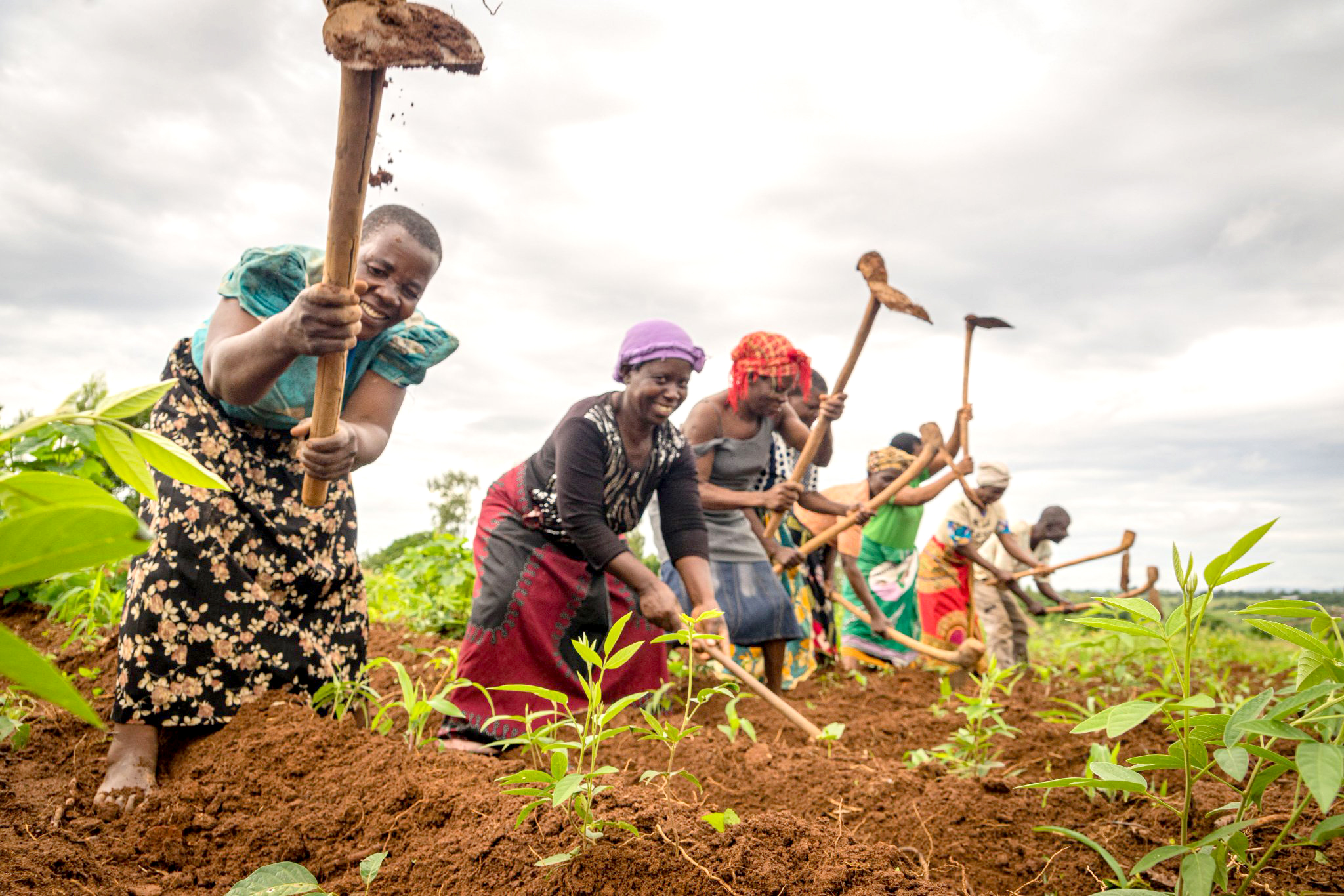

Government, through the ministry of agriculture, is set to invest a whopping N$34 million in bolstering and implementing of strategic rain-fed agronomic programmes, which will, in the long term, boost the country’s food security efforts and create resilient value chains.
The investment will be made over the 2025/26 financial year and through subsidies. The ministry will provide assistance to cereal producers in the form of seeds, fertiliser and mechanised tillage services to farmers in the 10 crop-growing regions of the country.
Namibia’s 10 crop-growing regions are Zambezi, Kunene, Omaheke, Otjozondjupa, Kavango East, Kavango West, Ohangwena, Oshikoto, Oshana and Omusati regions.
The ministry will be implementing the agronomic programmes through the Dry Land Crop Production Programme (DCPP), complemented by the Cereal Value Chain Development Programme (CVCDP) and the Comprehensive Conservation Agriculture Programme (CCAP), among others.
The DCPP and CVCDP are implemented in the 10 crop-growing regions, while the CCAP is implemented in all 14 regions.
It will be implemented through a Memorandum of Understanding with various regional councils and of the N$34 million, more than N$3.8 million will be allocated to the Zambezi region, while Ohangwena, Omusati and Oshikoto regions will each receive N$2.9 million.
Kavango East, Kavango West and Oshana regions will each be getting N$2.8 million, while Otjozondjupa region will receive N$1.7 million. Omaheke region is set to get N$1.5 million and Kunene region is earmarked N$1.4 million.
Farmers will be provided with improved seeds at a subsidised rate and a subsidy of between N$300 and N$500 to improve soil fertility and production.
The government will also provide a 50% subsidy on pesticides and herbicides and will subsidise weeding services at a rate of N$400 per hectare, to a maximum of five hectares per household.
A maximum subsidy of N$10000 will go towards increasing grain storage capacity per household, a maximum of N$30,000 for a hammer miller and a maximum of N$30,000 for a thresher. Interested farmers are encouraged to register at the nearest Agriculture Development Centres countrywide to access these subsidies.
The overall objective of these programmes is to ensure and accelerate the provision of subsidised agricultural production inputs (improved seeds and fertilisers) and mechanised services (tillage and planting).
Through these interventions, government aims to increase crop yield, food, and nutrition security, create employment opportunities as well as contribute to the reduction in poverty and income inequality.
The programmes also benefit the farmers through subsidies on ploughing, reaping, and planting services, provision of seeds and fertilisers, weeding services, and capacity building.