


Namibia’s green hydrogen project is slowly coming to light, but experts say the industry is still risky and still in its early stage.
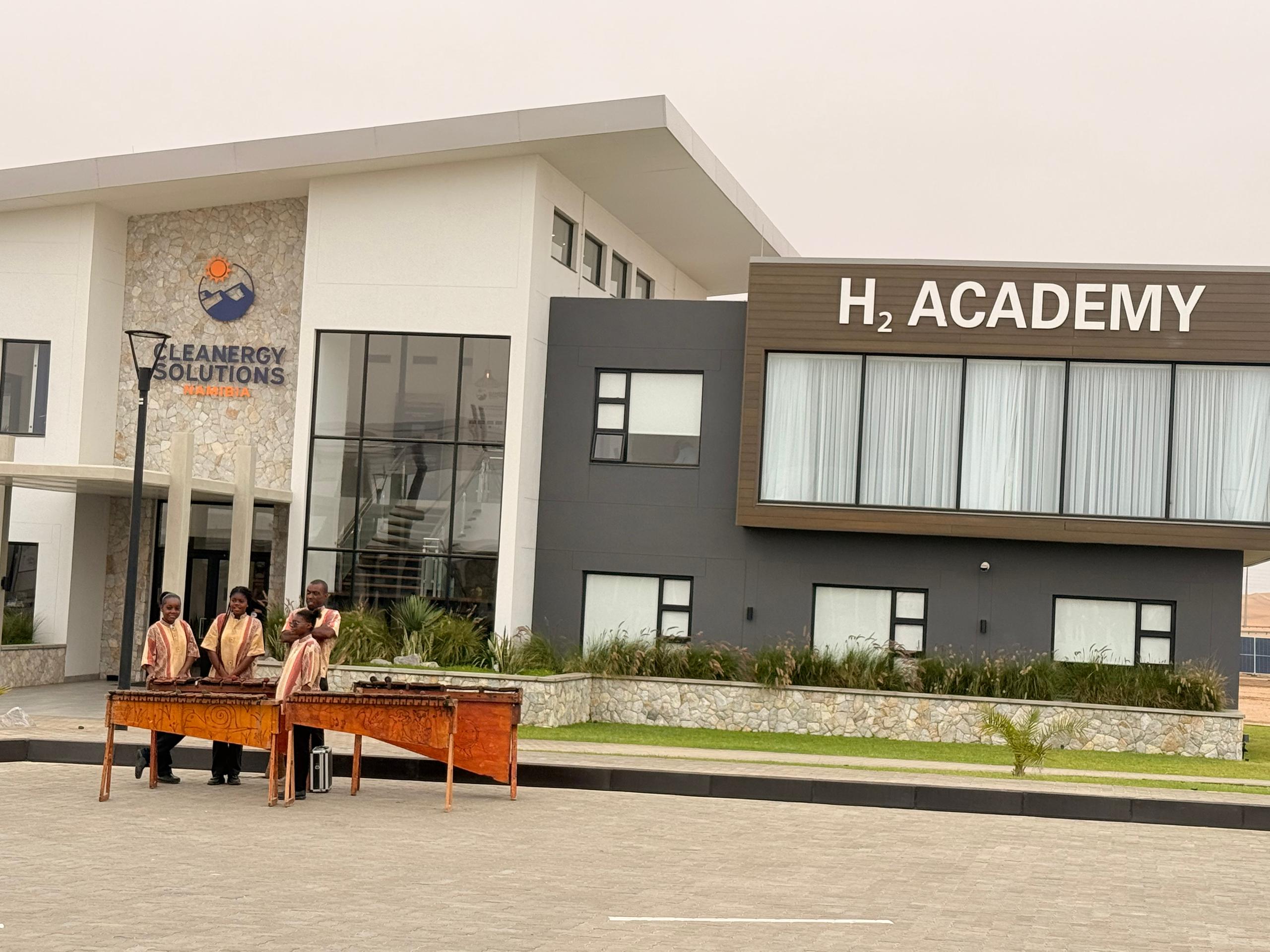
Last week, Namibia officially opened Africa’s first large-scale solar-powered green hydrogen facility under Cleanergy Solutions Namibia.
In April, President Netumbo Nandi-Ndaitwah inaugurated the first N$600-million HyIron Oshivela Green Hydrogen Plant.
Economist Rowland Brown, speaking to New Era recently, explained that the global market for green hydrogen is still very small.
“Hydrogen is exciting, but it doesn’t yet have a strong international market. Green hydrogen is also very expensive. We hope it works because it will create some jobs for Namibians – but for now, it remains a risky new industry,” he said.
He added that oil and gas is a different story.
Although it will not create many jobs either, it can bring in large amounts of tax revenue for government.
“The oil and gas industries are huge. If managed well, the taxes from it could improve the lives of Namibians,” Brown noted.
On jobs, he said the future depends on how government shapes its policies.
“Jobs come from investment. If Namibia creates the right environment for investors, we can create jobs quickly. But if we don’t, job growth will remain limited,” he said.
Brown also pointed out that Namibia does not yet have enough skills for either green hydrogen or oil and gas.
However, he said this is normal for new industries.
In the past, Namibia started mining without the necessary skills but developed them over time through consistent training and urging skills transfer from established enterprises.
During the recent opening session of the Global African Hydrogen Conference in Windhoek, Natangwe Ithete, Deputy Prime Minister and Minister of Industries, Mines and Energy, called on the domestic green hydrogen sector to make a significant impact in the livelihood of Namibians, including access to health services and education.
He commended already visible investments in large scale production of green hydrogen.
Ithete said these are essential for Namibia’s ambition to become a green hydrogen hub for Africa.
He urged delegates attending the conference and Namibian industries in general to work on consuming what is produced locally to drive local industrialisation, value addition and energy security.
“While the flagship projects, such as Hyphen Green Hydrogen, Daures Green Hydrogen, Oshivela HyIron and Cleanergy Solutions, are achieving remarkable milestones, our work is not done if the youth in our villages cannot point to the impact of these projects in their lives. We will fail in our efforts if we cannot tell our parents at the community level how many jobs are created? How many young Namibians are being trained with new skills? How are women being empowered to lead in this sector? How are we ensuring that energy scarcity is being eradicated and not reproduced? Let this conference bear roadmaps to answering these questions – not through estimations but in practice,” said Ithete. He went on to say that each green hydrogen project must be able to point to schools built, skills transferred, families lifted out of poverty and communities made stronger.
“This is the test of leadership – this is how we will write a new story for Africa, one of resilience, progress and shared prosperity. Namibia is not only talking about hydrogen, but we are also building industries across our sectors,” said Ithete.
Globally, the hydrogen sector is picking up serious momentum.
More than 1 572 clean hydrogen projects are active world-wide, with US$75 billion committed to projects that have reached Final Investment Decision.
Total announced global investments through 2030 now exceed US$680 billion.
Africa, with Namibia, Egypt, Morocco and Mauritania, emerging as the continent’s strategic hubs, is fast becoming a focal point of this revolution.
It has over 110 green hydrogen projects across the continent, latest research findings from ETASCA (Energy Transition and Sustainable Chemicals Advisory) reveal.
Namibia Green Hydrogen Commissioner James Mnyupe said green hydrogen gives Namibia the chance to leapfrog the carbon-heavy stage of industrialisation and go straight to low-carbon industry.
He said, “the project is so large and significant that it actually enables other industries to flourish… it’s a harbinger of prosperity for the rest of the country”.
In this sense, green hydrogen is also integral to Namibia’s Vision 2030 project.
This was launched by former president Sam Nujoma in 2004 and outlines the country’s ambitions “to improve the quality of life of our people to the level of their counterparts in the developed world by 2030”.
The importance the government is attaching to the commodity could hardly be higher. -pmukokobi@nepc.com.na