
Taimi Haihambo
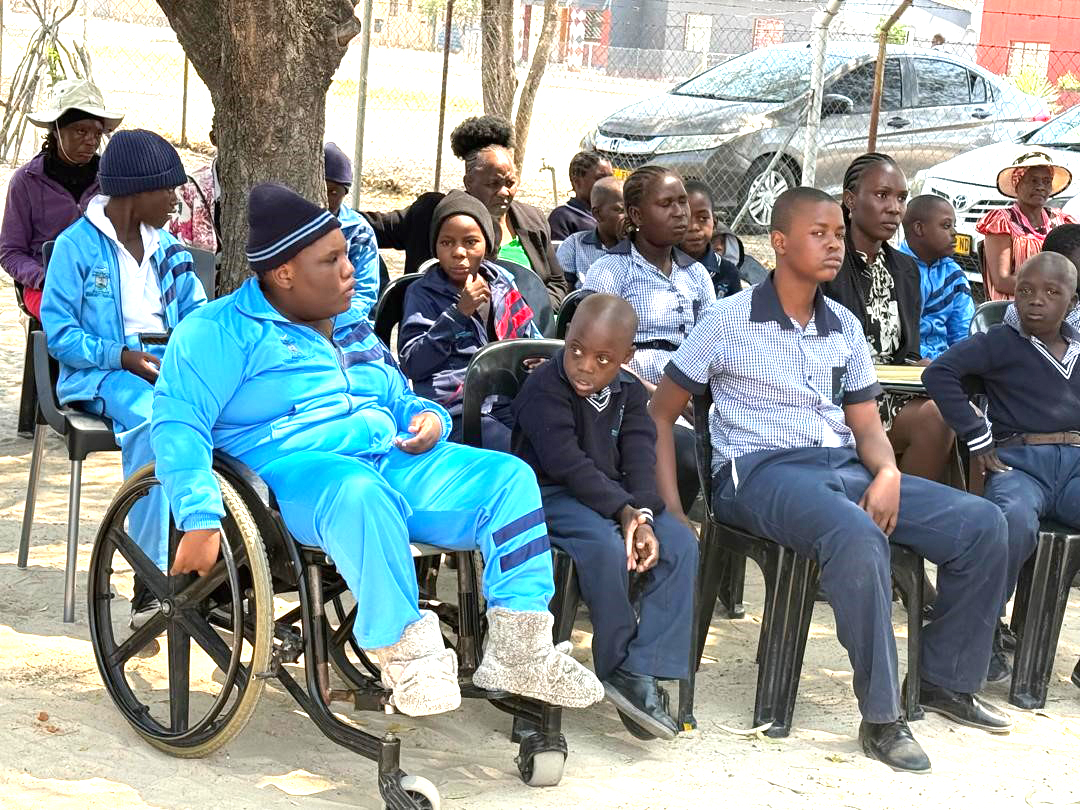
EENHANA – After months of enduring unsafe learning conditions, 18 learners with intellectual impairments at Eenhana Primary School finally have a proper classroom to call their own.
Initially, the children were taught in an open tent, exposed to rain, cold and scorching heat. Later, the school principal moved them into a cramped storeroom, but the space was too small for effective teaching and learning.
Their plight caught the attention of Eenhana mayor Omri-Onn Kavandje, a former teacher at the school, who secured funding from the Karl-Heinz & Manuela Feichtinger Foundation and the Lions Club. Together, they raised N$805,000 to build a proper special unit classroom for the learners.
Haindongo Tulina, a teacher for intellectually impaired learners, said the school initially had no programme dedicated to children with such needs. However, from 2021, it began receiving a high number of first graders with conditions such as down syndrome and autism.
“When grade one applications came through, we could not identify who had special needs and who did not. When school started, we realised that we had more learners requiring special attention and we needed to isolate them in order to support them better,” she explained.
Haindongo described working with these children as one of the most rewarding experiences in her career. Although only trained in junior primary, she and her colleagues continue to attend inclusive education workshops and training to improve their ability to teach children with special needs.
Her fellow teacher, Letisia Hambiya, said lessons are designed to meet each learner’s individual needs. She noted, however, that challenges remain, as some learners display aggressive behaviour and sometimes struggle to integrate into mainstream classes. Because of this, they are usually kept in a separate space until they are ready to adapt.
The learners are expected to remain at the school until the age of 20, after which they will be guided into vocational paths such as agriculture or cleaning services. Teachers noted that most learners live in surrounding areas and are well cared for. They also commended government for embracing inclusivity, while urging parents not to hide children with special needs at home.
“Bring the children to school, so they can learn and feel equal to others,” Hambiya encouraged.