


Paulina Ndalikokule
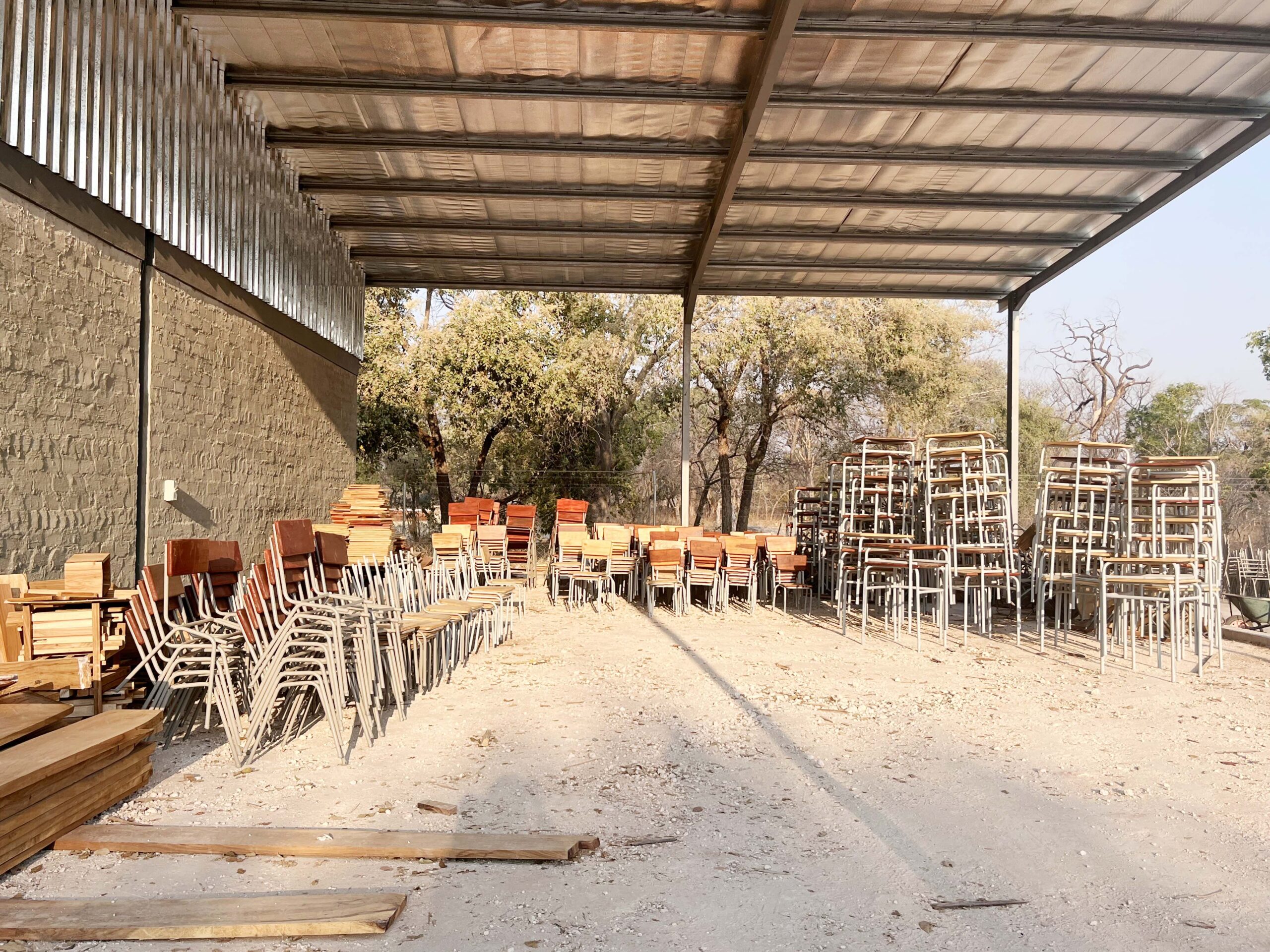
MPUNGU – In a bid to improve learning conditions for pupils across the region, the Kavango West Regional Council has allocated N$500 000 to the Mutjimagumwe Woodwork Cooperative to repair more than 4 000 broken school chairs and desks.
The cooperative, based in Mpungu constituency, was officially inaugurated on Friday by environment, forestry and tourism minister Indileni Daniel. Established in 2019 under the Nilaleg Project – funded by the Global Environment Facility through the UNDP – the cooperative received an investment of N$6 million to set up modern infrastructure, acquire tools and machinery, and train artisans.
Operational since November 2024, the facility currently employs 18 male artisans who produce furniture including chairs, tables, beds, cupboards, coffins and doors, for sale to communities, at expos and trade fairs.
KWRC’s chief regional officer, Matheus Singambwe, confirmed that the council had used funds from its VAT refund to pay the cooperative. It also provided timber for the repair work.
So far, the team has painted 451 chairs and 100 tables, while 215 chairs and 96 desks have been fully restored. However, the cooperative’s chairperson, John Kaleyi, said an additional 2 000 pieces of timber are still required to complete the job.
Kaleyi also said the cooperative had secured a contract with shack dwellers to manufacture doors for housing projects, and appealed for more resources to expand operations.
Mpungu constituency councillor, Titus Shiudifonya, highlighted the challenges faced by the cooperative in accessing timber due to a harvesting moratorium, as well as limited market linkages. He called for more equipment and improved market access to boost local value addition.
Minister Daniel praised the cooperative as a model of sustainable development aligned with Vision 2030, the 6th National Development Plan, the Swapo Party manifesto and the ministry’s 2025/26–2029/30 strategic plan.
“This initiative shows how empowered communities can drive real change. It promotes sustainable use of natural resources, equitable benefit-sharing, and a climate-resilient economy,” she said.
Daniel also stressed the need to establish a regional forest reserve in Nkulivere, spanning over 198 000 hectares, to protect biodiversity, strengthen climate resilience, and create economic opportunities through agro-forestry and climate-smart agriculture. She urged the Ukwangali Traditional Authority to continue issuing consent letters to support sustainable timber harvesting in line with national legislation.
Across Namibia, the Nilaleg Project has created more than 2 600 jobs, including more than 600 for youth. It has benefitted nearly 62 000 people – 48% of them women – restored 17 000 hectares of land, and increased household incomes by up to 50%.
In Kavango West alone, the Mutjimagumwe workshop has generated N$144 000 in income, while Nilaleg has distributed 215 goats to households, and trained more than 300 people – 16% of them women – in sustainable harvesting of the Devil’s claw, generating more than N$318 000 between 2022 and 2025.
However, Daniel acknowledged the need for fairer benefits for communities, pointing out that local producers earn only N$1 635 per selling event on average.
*Paulina Ndalikokule is an information officer at MICT Kavango West region