
Zebaldt Ngaruka
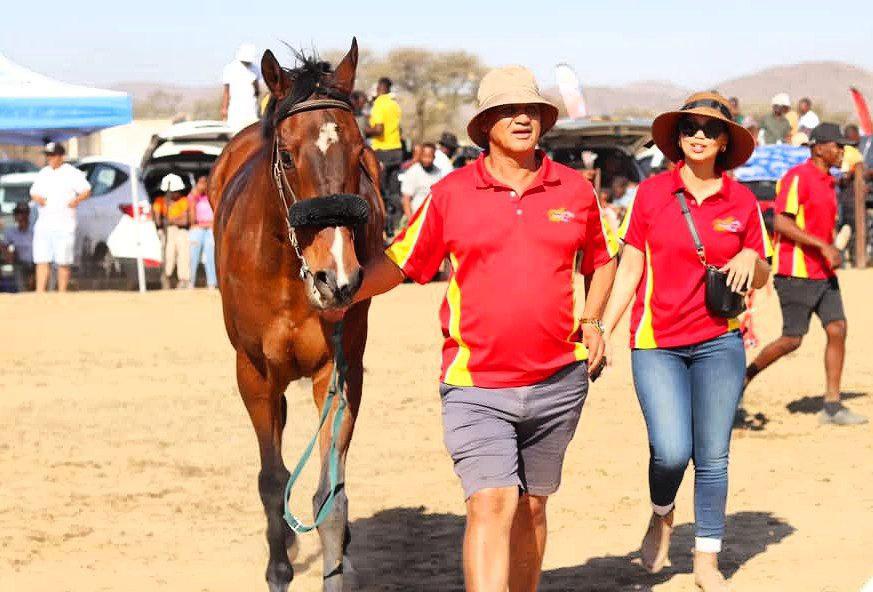
GOBABIS – The Khomas Turf Club (KTC), one of Namibia’s promising horseracing entities, has set out an ambitious roadmap to strengthen its footprint in the local and regional horseracing scene.
Founded in 2019 by George Mouton and his family, the club has since evolved from humble beginnings into a structured, vision-driven organisation under the umbrella of the Namibia Horse Racing Association (NHRA).
Originally named Mouton Racing, the club rebranded to Khomas Turf Club to reflect a broader mission and inclusivity within the horse racing sport. Today, the club boasts a stable of more than 13 thoroughbred horses and a growing presence in competitions across Namibia.
In an exclusive interview with New Era Sport, KTC’s Marketing and Public Relations Officer, Izaan Louw, outlined the club’s journey, achievements, and aspirations. “The club was born from a deep-rooted passion for horse racing and the desire to make a meaningful contribution to the sport in Namibia. The Mouton family formalised their efforts to allow for structured growth, including breeding and development of locally trained racehorses,” said Louw.
KTC has already hosted two major events – the August Rush Derby and the Independence Cup – which were hailed for their professionalism and strong attendance. “These events have put us on the map and showcase our potential to contribute positively to the racing calendar,” Louw added.
As part of its long-term goals, KTC aims to breed competitive Nambred racehorses through a focused breeding programme. With 10 mares currently in breeding and three Nambreds already active in races, the club is steadily working toward self-sufficiency. The club also seeks to establish its own horse racing facility and increase the number of horses bred in-house.
In promoting inclusivity, the club plans to introduce youth development programmes, open days, and educational tours at their stables. “We want to offer young people exposure to the sport and give aspiring jockeys a platform to grow. We provide quality riding gear, fair compensation, and safe racing environments,” said Louw.
KTC has imported three active thoroughbred horses to bolster both racing performance and genetic diversity in its breeding programme. However, the journey hasn’t been without challenges. Louw cited limited access to professional trainers and jockeys, inconsistent rider availability during major events, and high operational costs as significant hurdles.
“Transport logistics also become an issue when we travel to competitions across the country. Sponsorship and funding gaps limit our ability to scale,” she added.
To address these issues, KTC has made several proposals to the NHRA, including calls for structured training programmes for jockeys and trainers, subsidised veterinary care, improved licensing systems, and financial support for clubs hosting events in underserved regions.
KTC currently has around 20 registered members, including five horse owners. Membership is open to anyone passionate about horse racing, breeding, and sport development. Members enjoy access to events, shared resources, networking opportunities, and mentorship from experienced stakeholders.
The club is also raising funds for a group trip to the Sun Met horse racing event in South Africa next year. “It’s a chance for our members to gain exposure, learn, and build valuable connections,” concluded Louw. -zngaruka@yahoo.com