


OPUWO – Despite the government’s efforts to combat poverty through nationwide eradication programmes, these initiatives continue to face obstacles, a situation attributed to the political dynamics, amongst other challenges in the Kunene region.
The ongoing poverty eradication programmes in the region have the potential to overcome project stagnation if there is a unified commitment to the cause, along with the practice of good governance and accountability.
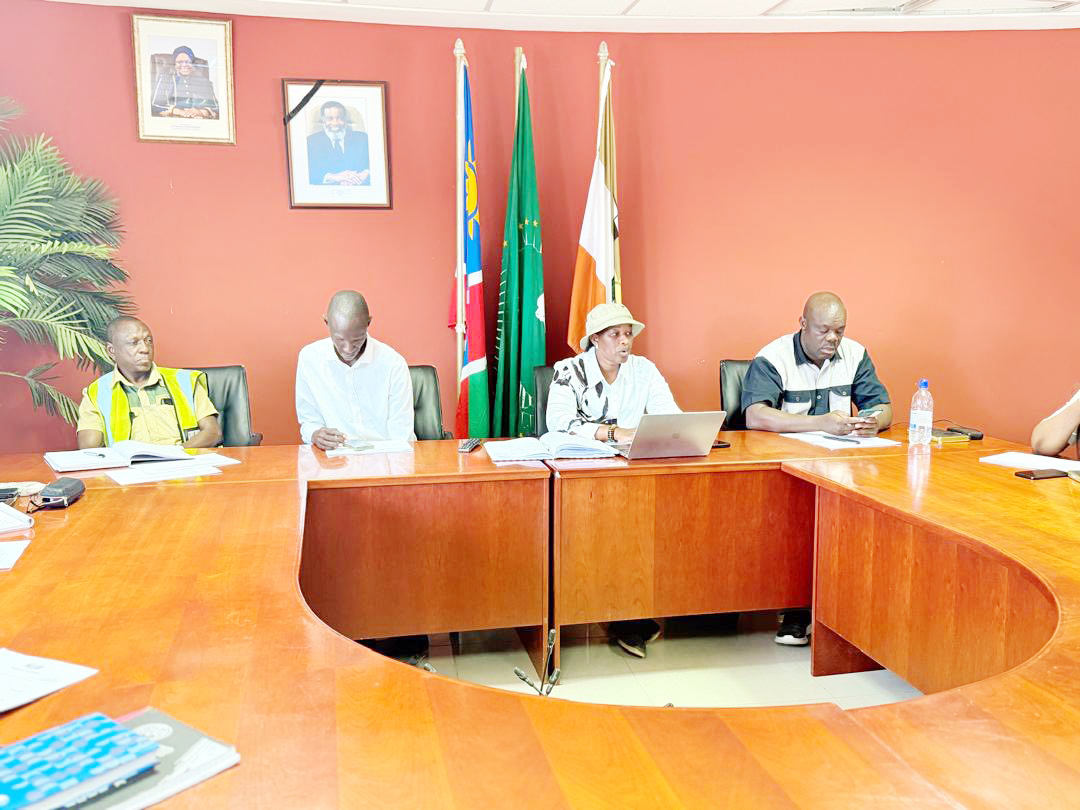
This was according to the Parliamentary Standing Committee on Poverty Eradication, Labour and Industrial Relations at Opuwo on Monday. The committee is currently in the Kunene region undertaking regional visits to assess the implementation and impact of poverty eradication projects.
The committee believes that it is essential to build a cohesive team that will collectively support regional projects instead of dividing significant “large” projects along political lines.
Among the discussions regarding the slow pace of poverty eradication projects were councillors who are said to be politicising several initiatives. These factors are believed to lead to the misallocation of resources, the slow pace in project implementation, which in turn undermines government efforts in poverty reduction.
Charles Uarije, the acting Chief Regional Officer for the Kunene region, stated that among the various challenges hindering project growth, is politics.
“In recent years, it seems we have squandered government money on ineffective projects. I believe we need to focus on several key initiatives based on the needs of each constituency to avoid project repetition, but this will not work as all councillors want to benefit equally from their respective constituencies,” he remarked.
Uarije advocated for the rotation of several projects to assess their effectiveness instead of distributing funds across the region without first piloting the initiatives, while urging councillors to continue with projects left unfinished by their predecessors rather than starting new ones.
Justina Jonas, chairperson of the committee, echoed Uarije’s sentiments, emphasising that poverty eradication is a critical goal that necessitates collective action. She noted that these projects will continue to face challenges as long as political figures prioritise their constituencies over collective development efforts.
“We need proper coordination for these projects to succeed. These small initiatives will only provide short-term benefits for certain areas, but if we concentrate on broader regional projects, poverty will be alleviated,” she stated. -Nampa