


Rudolf Gaiseb
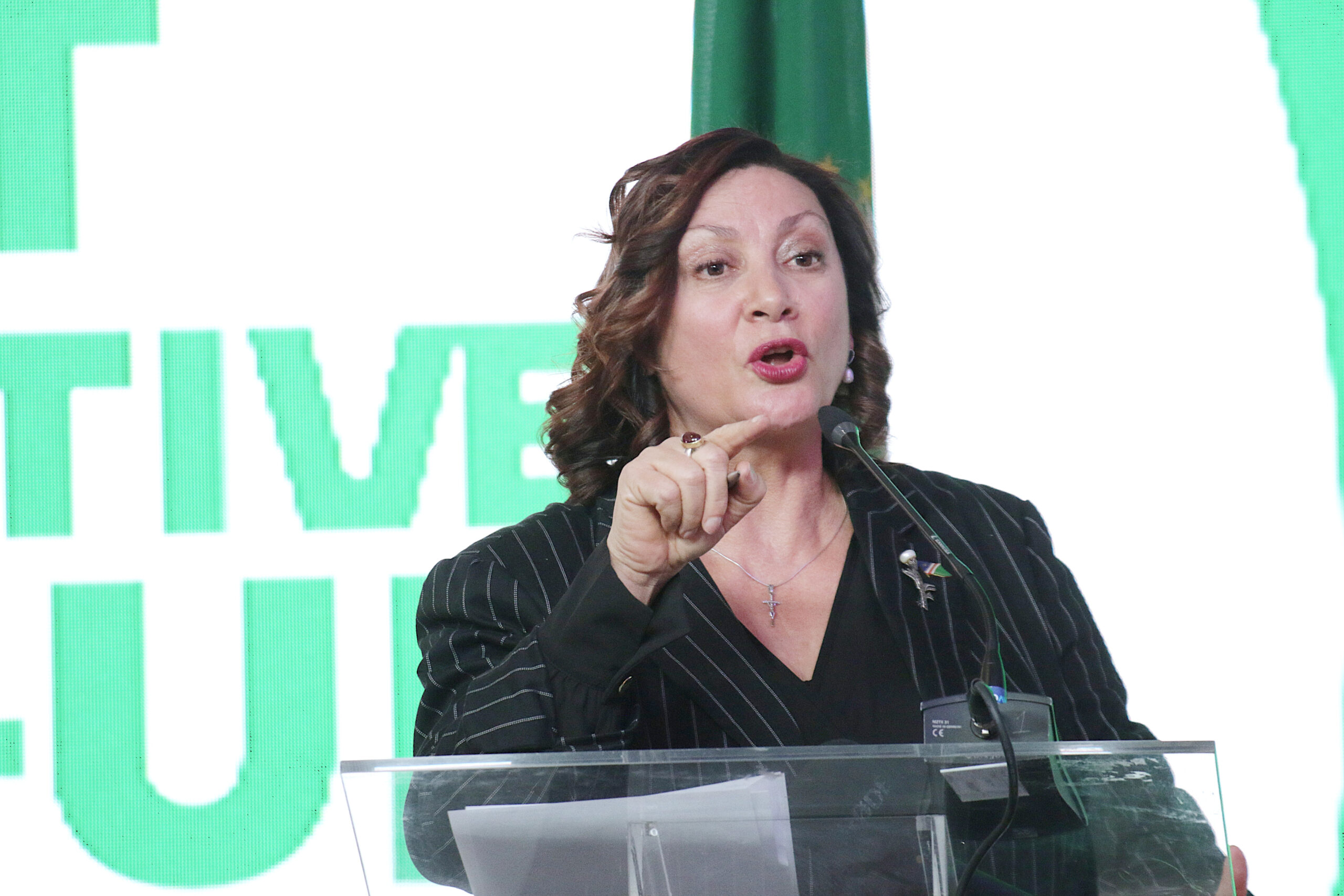
Education Minister Sanet Steenkamp said power struggles in education leadership, where egos take the front row, obstruct the implementation of informed decisions.
Speaking at the Annual General Assembly of the Namibia National Commission (NATCOM) for the United Nations Educational, Scientific and Cultural Organisation (UNESCO) yesterday, she said leaders tend to dismiss every policy recommendation and proposal.
The minister stressed that leadership is not confined to ministers or administrators (such as executives, managers and directors).
Steenkamp cautioned that, when teachers’ creativity and innovation are suppressed at the school management level, and if school board voices are ignored and principals’ leadership goes unrecognised, it contributes to dysfunction in schools.
She added that the same applies to learners, who are not allowed to speak freely, with respect and share innovative ideas on what they think could create a much more conducive environment.
“It is this collective leadership that makes a difference to the quality of education and to the inclusivity of our systems. Sharing and distributing this leadership shows the recognition of each other’s strengths as school management and teachers. It brings in the voice of learners as leaders,” she said.
NATCOM’s annual general assembly highlighted UNESCO’s achievements in Namibia while charting the path forward.
The 2024/25 Global Education Monitoring Report was also presented yesterday.
Steenkamp acknowledged that Namibia has made commendable strides in broadening access to education, investing in teacher training and fostering innovation.
She, however, asserted that challenges remain.
“Rural schools still face acute teacher shortages. The quality of teaching and learning is uneven across regions. Financing pressures persist and limit our ability to expand services,” she stated.
Steenkamp recognised the efforts by NATCOM, through which UNESCO grounds Namibia’s goals in international cooperation.
“It ensures that Namibia’s perspectives are heard in UNESCO forums and that UNESCO’s frameworks are translated into action at a national level,” highlighted the minister.
Head of UNESCO in Namibia Eunice Smith shared that the report highlights the shared nature of education leadership.
“It entails principals working with teachers, teachers inspiring learners, parents guiding children and communities supporting schools,” Smith underlined.
Moreover, the report is central to UNESCO’s mandate to monitor global progress on the 2030 Sustainable Development Goal 4.
The organisation is adamant about advancing peace and sustainable development through action in education, science, culture, communication and information.
It provides governments, partners and communities with evidence to identify both achievements and challenges.
Smith said, for Namibia, the real test lies not in the report itself but in how it is acted upon.
Referencing the 2024 SDG report, she noted that Namibia is making progress toward achieving the 2030 SDG indicators.
However, she said much more needs to be done.
“By working together, we can achieve SDG4 and build an education system that is inclusive, resilient and ready for the future,” she remarked.
-rrgaiseb@gmail.com
Photo: Heather Erdmann